Sports
Women's Road Cycling: Beginner Tips and Group Dynamics
Thayná Araújo shares essential advice on starting road cycling, handling pelotons, and staying safe on the road.
Check out cyclist Thayná Araújo's top advice for women getting started with road cycling. Learn how to progress safely in training, master your bike, and handle peloton dynamics.
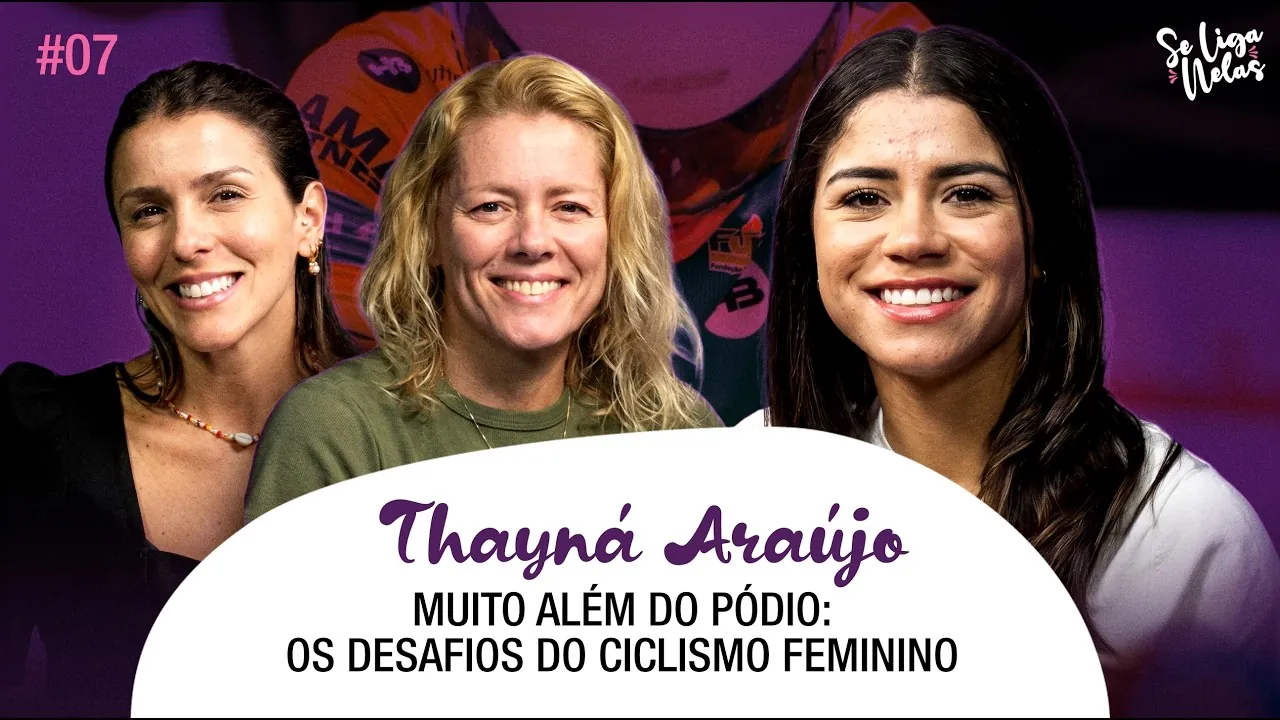
Getting started in road cycling takes far more than just buying a bike and hitting the asphalt. For those taking their first pedal strokes—especially women looking to enter the sport—the transition from learning the basics to tackling highway traffic and pelotons demands method, patience, and safety. In an interview on the Stemma Sports channel, cyclist and coach Thayná Araújo shared key guidelines for anyone wanting to start off on the right foot.
PUBLICIDADE (GAM) — 1250x250
Step-by-Step: Technique and Respecting Progression
Thayná's first piece of advice for beginners is to seek guidance from an experienced cyclist—preferably another woman, if that creates a more comfortable environment to ask questions and build confidence. The athlete points out that heading out onto highways during your first rides is a mistake that exposes beginners to unnecessary risks. Before facing higher speeds and motor vehicle traffic, it is essential to master your bike, understand its components, and build confidence with the equipment on safe routes.
At First Club, the athletic coaching group where she works, progress is treated as a steady, step-by-step process. New riders go through technical and physical development stages to build the necessary endurance before advancing to road training. This careful approach protects both the rider and their peers: in a highway group, weather conditions like rain and strong winds, combined with traffic flow, require emotional control and a steady hand on the handlebars.
Peloton Dynamics and Camaraderie
Beyond mechanical skills and physical conditioning, group training dynamics are a major part of the routine. During the conversation, Thayná and the hosts discussed the competitive mindset that sometimes surfaces in mixed rides, where some male athletes try to surge just to avoid being matched by female riders. Thayná recalled humorous moments when other riders tried to drop her, completely unaware that she was a professional athlete with years of elite competitive experience.
The discussion also highlighted the value of teamwork during training, especially on early-morning rides. Having riding partners who respect the group's pace and assist with unexpected mechanical issues provides peace of mind during early rides, even though learning basic mechanics and striving for self-sufficiency remain essential milestones for any cyclist's independence.
Responsibility and Safety When Pulling the Group
Within a peloton, adhering to group riding etiquette ensures everyone's safety. Thayná emphasizes that moving to the front to pull the group requires technical maturity, as the lead rider setting the pace and line is responsible for the safety of those drafting behind. Knowing the right time to move up and respecting each stage of the learning process are the cornerstones of progressing in cycling with consistency and safety.
PUBLICIDADE (GAM) — 1250x250