Sports
Thayná Araújo Details Intense Routine and Cycling Challenges
The pro cyclist reveals early-morning training, virtual smart-trainer racing, and the struggle for sponsorship in Brazil.
Pro cyclist Thayná Araújo shared behind-the-scenes insights into her demanding training regimen and the financial realities of women's cycling in Brazil. Balancing coaching duties, outdoor road sessions, and pre-dawn virtual races, she highlights the struggle to juggle elite performance with content creation.
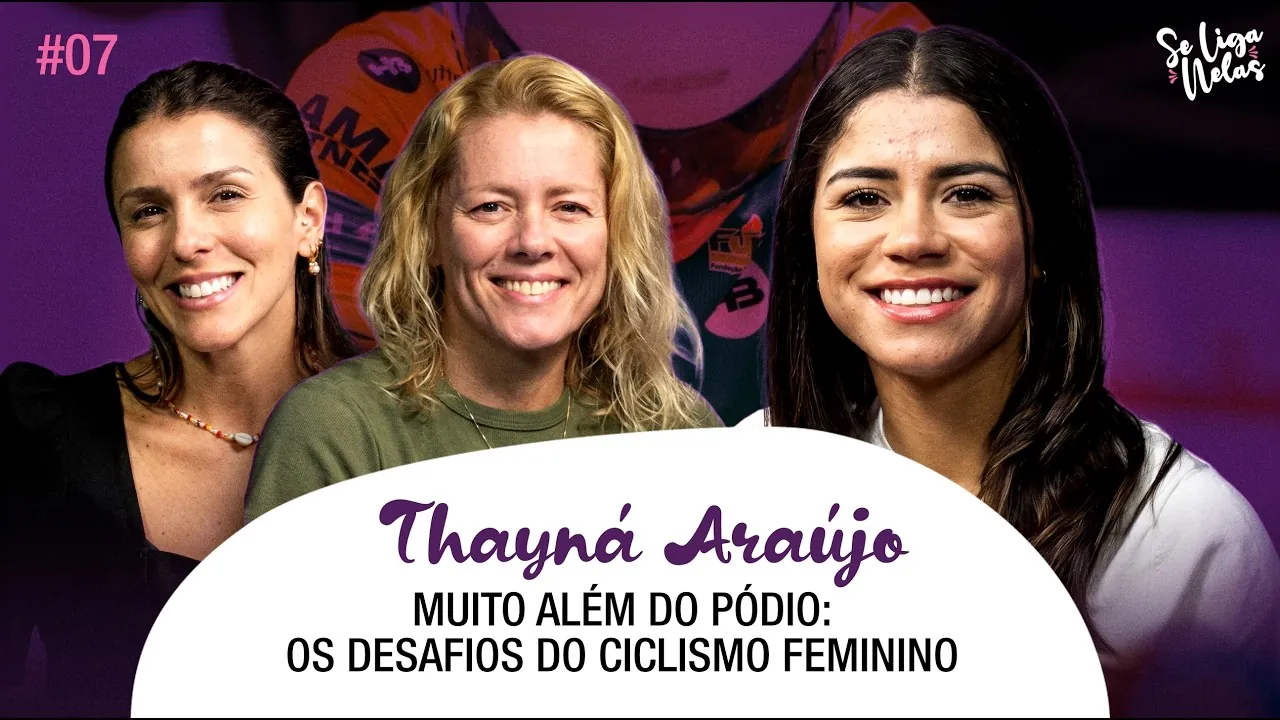
Living exclusively as a professional cyclist in Brazil requires balancing elite performance, technical coaching, and rigorous time management. In an interview on the Stemma Sports podcast Se Liga Nelas, cyclist and coach Thayná Araújo detailed the grueling routine she faces in the Baixada Santista region and the hurdles female athletes encounter when seeking brand support in the country.
PUBLICIDADE (GAM) — 1250x250
Dawn Rides and Coaching in Baixada Santista
Thayná's routine begins long before sunrise. Living in Praia Grande, the athlete wakes up at 3:30 AM on Tuesdays to lead coaching sessions starting at 4:45 AM at TCC in Santos. Her schedule includes working with beginners before heading out on the road with intermediate and advanced groups around 5:45 AM. Coaching wraps up around 9:30 or 10:00 AM, at which point she often has to get right back on the asphalt to complete her own training program.
On Thursdays and Saturdays, her alarm goes off at 4:45 AM for peloton training rides with Force Club. Strict discipline around sleep schedules and nutrition is vital to sustain her weekly training volume: by 8:00 PM, having dinner and resting her body for the next day's session becomes her absolute priority.
Virtual Smart-Trainer Racing and Cash Prizes
On Sundays, the schedule is even more specialized. Thayná wakes up at 3:00 AM to compete in virtual indoor cycling races on the MyWhoosh app, which kick off at 4:30 AM. Pre-race preparation involves an early start to eat breakfast without rushing and complete a 25-minute warm-up on the smart trainer before the official gun.
These virtual competitions bring together cyclists from around the world and are split into categories from 1 to 6. Currently racing in Category 3, Thayná invested in a smart trainer on her coach's recommendation, taking advantage of peloton dynamics and drafting mechanics as a supplementary income source through the platform's cash prizes.
The Sponsorship Struggle and the Push for Content
Despite strong road results, Thayná emphasizes the difficulty of securing brand support for essential gear like high-end bikes and smart trainers. According to the cyclist, outreach to potential sponsors often goes unanswered, reflecting a market that frequently prioritizes social media content creators over athletes dedicated entirely to performance.
The demand to produce videos and photos for social media has become an added requirement in modern sports—one that doesn't always fit into post-workout exhaustion. While focused on athletic performance, Thayná acknowledges the importance of digital presence, yet she prioritizes physical recovery and delivering top results in high-level training.
PUBLICIDADE (GAM) — 1250x250