Sports
Thayná Araújo on Education and Youth Development in Cycling
Encouraged by her coaches to study physical education, the cyclist reflects on switching from soccer to biking in Santos.
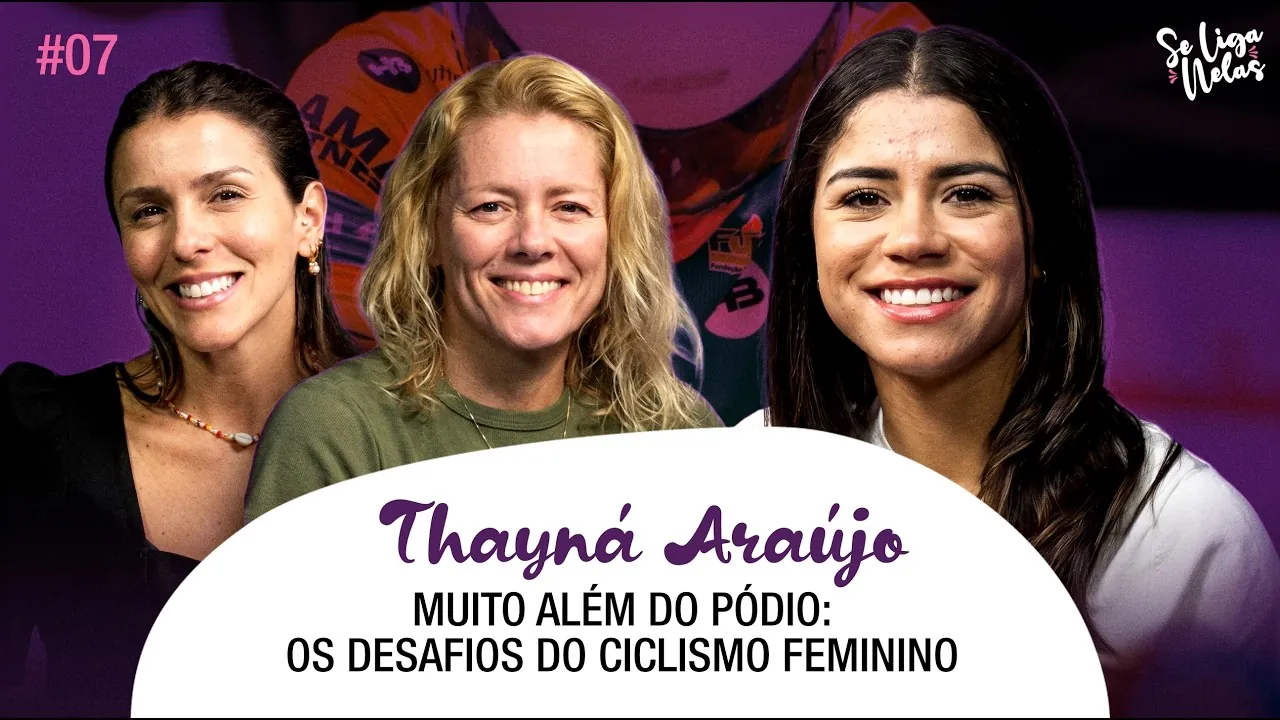
In an interview on Stemma Sports' Se Liga Nelas, Thayná Araújo shared how her coaches' insistence pushed her to attend college. The athlete also looked back on why she traded soccer for cycling and highlighted the impact of grassroots youth programs.
In high-performance sports, an intense focus on training and results often pushes academics to the back burner. However, for Santos cyclist Thayná Araújo, firm guidance from her early coaches ensured that education went hand in hand with her athletic development from the grassroots level.
PUBLICIDADE (GAM) — 1250x250
From coach demands to a university degree
When she was younger, Thayná's sole ambition was to become a professional athlete. It was the long-term vision of her mentors that changed her trajectory: both coach Cláudio Jax and Antônio Carlos, known as Tio Negão, demanded that she enroll in college as soon as she turned 18 and finished high school. Faced with their insistence on planning for life beyond cycling, she earned a degree in Physical Education—a qualification she now considers indispensable to her career.
Switching from soccer to cycling
Before finding her footing on two wheels, Thayná tried playing soccer. However, the lack of other girls in the sport made her feel self-conscious as the only girl on the court among boys, leading her to step away. That dynamic shifted when she took up cycling: at Tio Negão's training school, seeing other female athletes already riding and competing at a high level provided the representation and welcoming environment she needed to stay in the sport.
The bond of trust forged between Thayná's family and Tio Negão was another cornerstone of her early journey. The coach handled the logistics and transportation for her first competitions, offering the safety and reassurance necessary for the young athlete to thrive. Today, the grassroots social initiative remains active in the Baixada Santista region with the support of Xiro, introducing new generations of children to competitions such as the Campeonato Santista.
PUBLICIDADE (GAM) — 1250x250