Sports
How Psychology Helps Thayná Araújo Cope with Pressure
Professional cyclist shares the importance of mental support in overcoming difficult periods and regaining confidence.
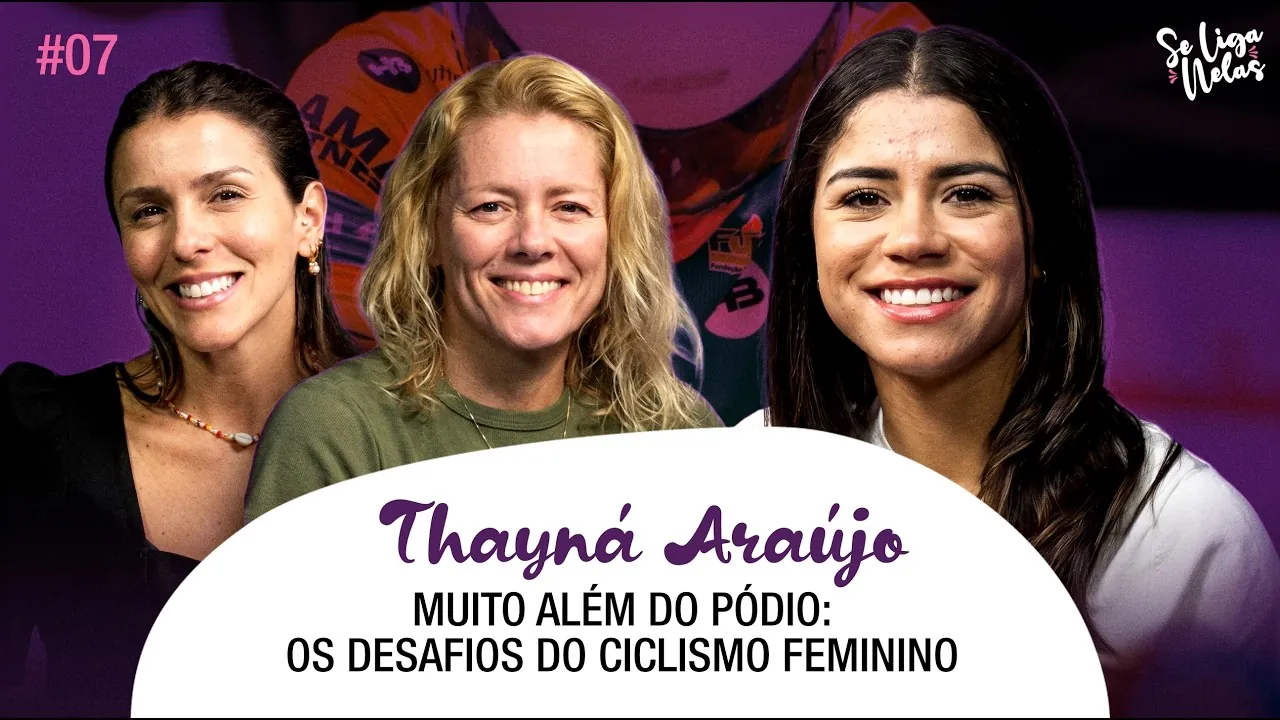
Thayná Araújo explains how psychological counseling became essential for handling podium expectations and mental fatigue in races. The athlete also analyzes the differences between elite pressure and amateur self-criticism.
High-performance sports demand physical consistency, but it is the mind that sets the pace when things get out of hand. For professional cyclist Thayná Araújo, psychological support went from a secondary concern to an indispensable weekly tool to face the pressure for podium finishes and stay mentally strong.
PUBLICIDADE (GAM) — 1250x250
A Turning Point in Mental Care
While years ago her training approach was more relaxed and focused solely on raw effort on the road, sporting maturity brought the weight of expectations to the surface. After facing growing difficulties managing her emotions over recent seasons, Thayná realized she needed specialized help and resumed regular therapy sessions.
The practical value of this support became clear during her preparation for the traditional Prova 9 de Julho. Coming off a race she considered crucial for the year—where her performance fell far short of expectations—the cyclist even contemplated skipping the next event. It was through therapy sessions right after the frustration that she managed to ease the burden, regroup mentally, and regain the lightheartedness needed to line up at the start.
Elite Pressure Versus Amateur Self-Doubt
Making a living from cycling brings a direct responsibility: livelihood and career depend on delivering results and reaching the podium. Going through dry spells without major victories, even when in peak physical shape and training hard, creates doubt and an exhausting internal conflict. Mental coaching focuses precisely on curbing this spiral of insecurity and preventing the fear of underperforming from paralyzing the athlete.
This emotional balance, however, also resonates with amateur athletes. Juggling demanding work schedules, shifts, and family life with training in all weather conditions fosters a dedication that often turns into excessive self-criticism. For hobbyists, the challenge lies in moderating this internal pressure and remembering that sports should remain a source of leisure and self-improvement, without carrying the professional burden of those whose livelihoods depend solely on the podium.
PUBLICIDADE (GAM) — 1250x250