Sports
Thayná Araújo's Team Tactics in the 9 de Julho Race
Cyclist details how teamwork and peloton positioning set up sprint victories.
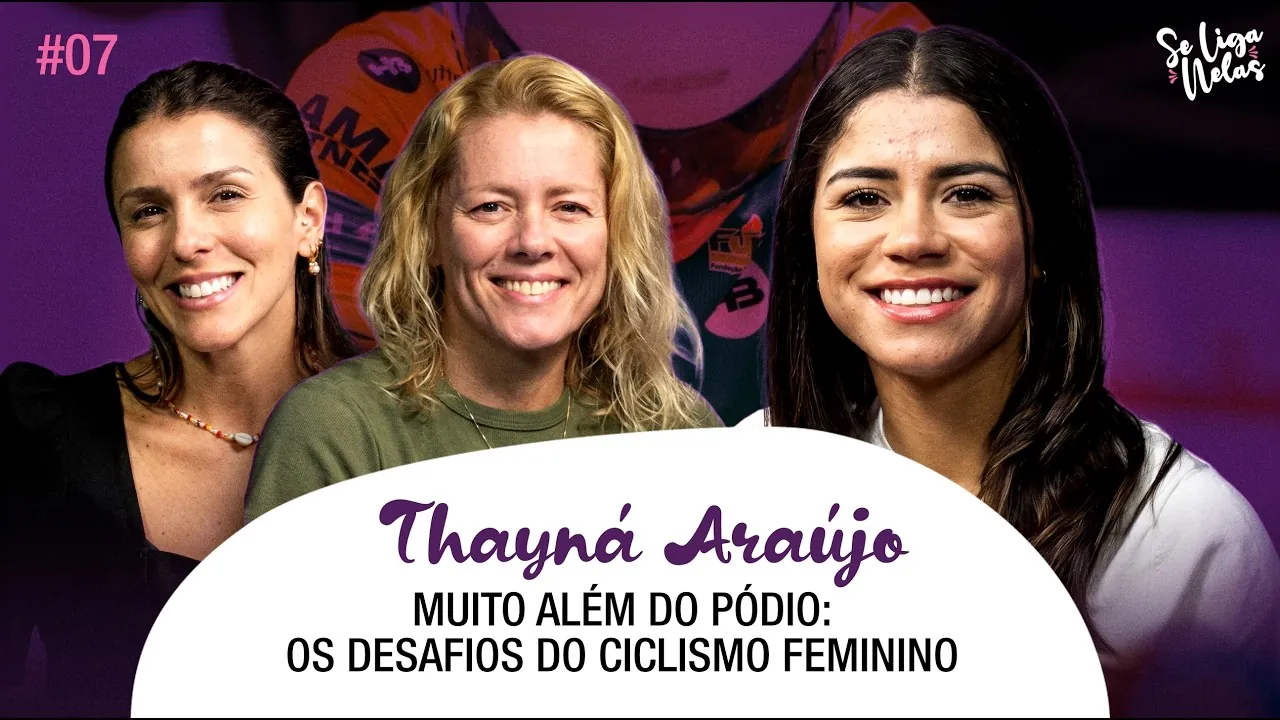
Thayná Araújo explains why cycling is the most collective individual sport in the world and details the strategy her team used to claim a sprint victory at the Prova 9 de Julho.
In road cycling, the top of the podium is reserved for only one rider, but no significant victory is ever truly achieved alone. During an appearance on the Stemma Sports videocast, cyclist Thayná Araújo highlighted one of the sport's most famous maxims: cycling is, essentially, the most team-driven individual sport there is.
PUBLICIDADE (GAM) — 1250x250
Teamwork under setbacks at the 9 de Julho
To illustrate the tactical dynamics of a major race, Thayná recalled her experience at the traditional Prova Ciclística 9 de Julho. Her team lined up for the women's elite start with four riders, but two unforeseen setbacks cut the squad in half during the race: one teammate suffered mechanical issues with her bike, and another struggled with performance on the day. That left only Thayná and her teammate, Alice, to execute their strategy.
The professional category's main peloton featured just over thirty riders and remained compact, with no breakaways—moves where a rider or small group breaks away from the main pack—able to establish a lasting gap. Given the group-finish scenario, the team adapted their plan to leverage Thayná's biggest strength: pure sprint speed.
The role of the lead-out and training beyond specialties
With a bunch sprint taking shape, Alice took on the responsibility of setting the pace at the front of the peloton and shielding Thayná from the wind. Positioned directly in her teammate's slipstream, Thayná was able to conserve energy through the decisive kilometers, staying well-positioned at the front to launch her sprint the moment Alice completed her lead-out role.
Thayná also emphasized that while every cyclist has a well-defined technical specialty, training must account for all road racing variables. To contend in a final sprint, a rider must first match the peloton's relentless pace, respond to potential attacks, and possess ample aerobic endurance throughout the entire race.
PUBLICIDADE (GAM) — 1250x250