Sports
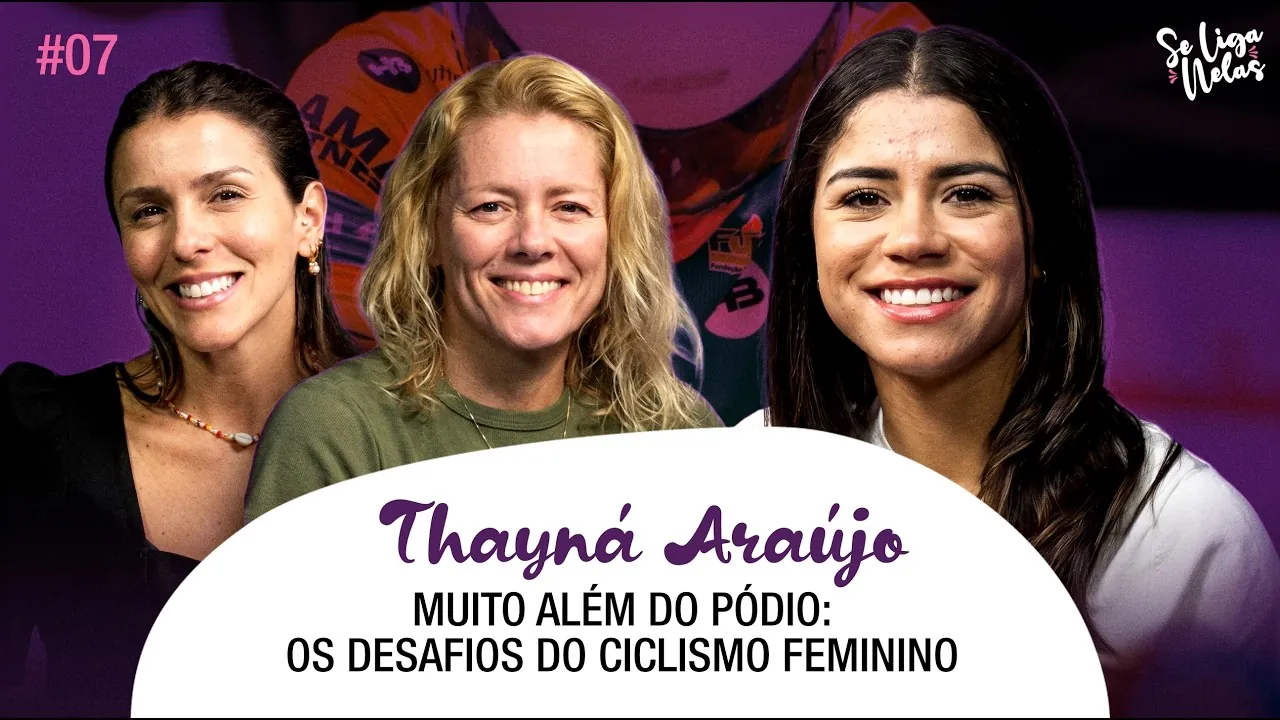
Thayná Araújo on Tandem Guiding and Cycling Nutrition
The cyclist heads to the Paracycling World Championships in the U.S. and shares how she fuels high-volume training.
Preparing for the Paracycling World Championships in the United States, Thayná Araújo discusses the nuances of piloting a tandem bike alongside Marcinha. She also details how she manages calorie intake across 18 hours of weekly training.
In addition to traditional road cycling competitions, Thayná Araújo takes on the responsibility of serving as a guide athlete in paracycling. The cyclist shares her routine with Marcinha, a visually impaired athlete, as they prepare for the discipline's World Championships in Alabama, United States, while also setting their sights on the Jogos Abertos at the end of the year representing the city of Santos.
PUBLICIDADE (GAM) — 1250x250
The dynamics of riding a tandem bicycle
Piloting a tandem bicycle — affectionately nicknamed by Thayná as the "truck" because it is longer and heavier — requires heightened focus. Sitting in the pilot position at the front, she acts as her partner's eyes on the road, demanding constant communication to coordinate every movement.
Simple commands such as calling out right or left turns, signaling when to pedal out of the saddle, and accelerating or easing the pace are essential to stay in sync. According to Thayná, mutual trust and closeness between pilot and athlete directly determine both performance and safety in competition.
Focus on the World Championships and high-intensity training
At the World Championships, the duo will compete in two events: the 90-kilometer road race, which is their primary strength, and an individual time trial of approximately 29 kilometers. Their joint schedule includes riding together three times a week — on Wednesdays, Fridays, and Sundays — paired with individual indoor trainer sessions.
Thayná's weekly volume reaches around 18 hours on the bike. The intensity includes demanding workouts, such as three 20-minute intervals in Zone 4 (Z4) with 10 minutes of rest, designed to sustain pace during moments of high physical demand.
Nutritional strategy and split meals
With such a high training volume, the main challenge off the bike is consuming enough calories to meet daily energy expenditure. Working alongside sports nutritionist Mari, the athlete adopted a strategy of eating smaller, frequent meals throughout the day, as she struggles to eat large portions at once during lunch or dinner.
During long training rides, carbohydrate intake comes from energy gels, mini soft rolls, honey, jelly beans, and homemade sweets. Her everyday diet emphasizes practical choices: bread with dulce de leche, honey, or banana pre-workout, followed by coffee with bread, eggs, and whey protein post-workout, along with tapioca and light meals spaced out to support muscle recovery.
PUBLICIDADE (GAM) — 1250x250