Sports
Thayná Araújo on the Challenges of Women's Cycling in Brazil
The two-time 9 de Julho champion details her journey from grassroots training in Santos to paracycling and road race tactics.
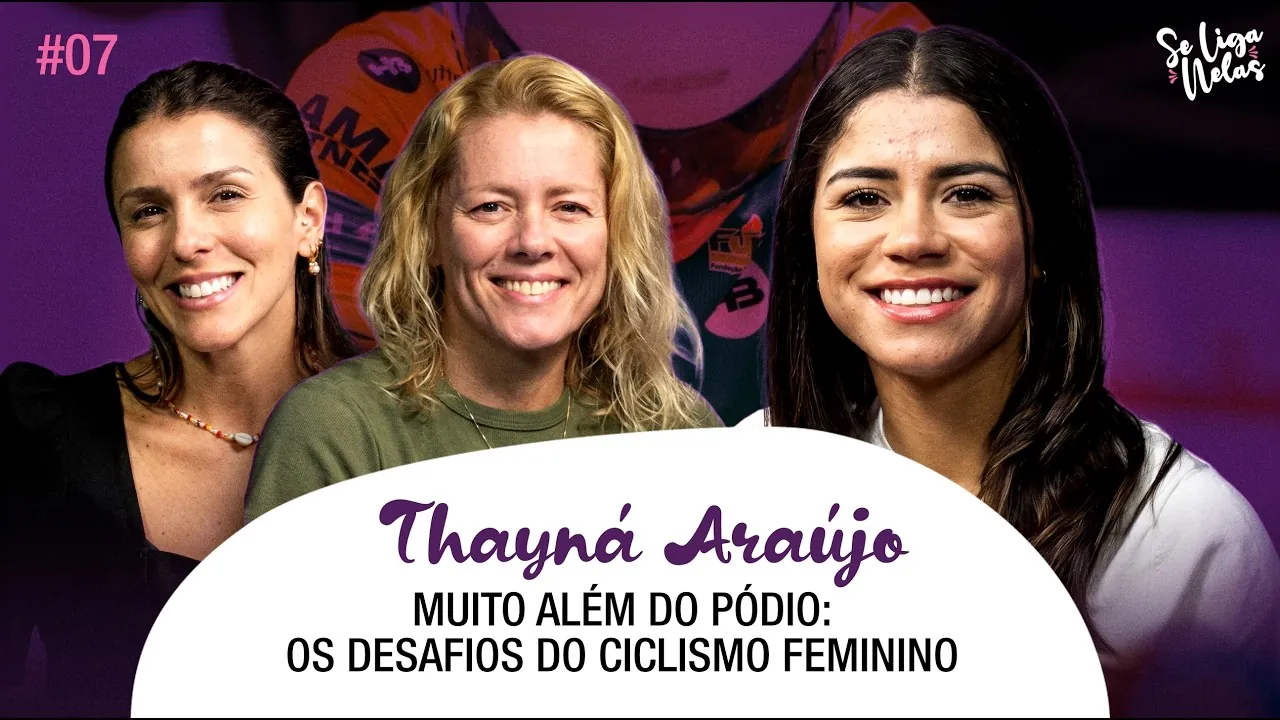
In an appearance on the Se Liga Nelas podcast, Thayná Araújo reflects on her cycling career, from community youth projects to the Brazilian National Team. She discusses the financial realities of women's cycling, tactical racing at Prova 9 de Julho, and her preparations for the Paracycling World Championships.
Professional cyclist and coach Thayná Araújo joined the Se Liga Nelas podcast to look back at the major milestones of her sporting career. A two-time champion of the Prova 9 de Julho with appearances for the Brazilian National Team, she shared behind-the-scenes insights into elite cycling, the financial sustainability challenges in the sport, and her daily routine balancing competitions, training, and sports coaching.
PUBLICIDADE (GAM) — 1250x250
Early Days in Cycling and Tio Negão’s Youth Project
Thayná’s athletic journey began at age 12 in Vila Telma, in the Northwest Zone of Santos. Invited by a neighbor to enter an informal race in front of Antônio Carlos’s (known as Tio Negão) bike shop, she lined up on an ordinary bicycle and won. Shortly after, she joined the coach's social project, captured the São Paulo state championship in her official debut, and chose cycling for good, leaving behind youth soccer and school sprinting.
Academic Education and Encouragement from Coaches
With family support and close mentorship from Tio Negão and her team coach Cláudio Jax, Thayná was urged to keep up with her studies alongside her training routine. At 18, she enrolled in Physical Education on a municipal sports scholarship—a degree she considers vital to her current work as a coach and sports professional.
National Team Experience and International Competitions
Her standout performances in youth categories opened doors to racing abroad starting in 2017 in Mexico, culminating in call-ups to the Brazilian U23 National Team for South American competitions. Thayná highlights the transformative impact of cycling in her life, granting her access to higher education, international travel, and the privilege of representing Brazil on the world stage.
Women's Cycling Challenges and Daily Training
The reality of Brazilian cycling demands full professional dedication but still faces a shortage of sponsorships for female athletes. Thayná notes the added pressure to create digital content and describes a grueling routine: waking up before dawn to lead coaching sessions in Baixada Santista, logging her own road miles, and competing in virtual races on MyWhoosh to earn prize money that supplements her income.
Making a Living in Sports and Peak Cycling Performance
Thayná assesses the financial feasibility of relying solely on cycling through the lens of maturity and adult responsibilities. According to the rider, diversifying income streams becomes essential over time. She also points out that female road cyclists often hit their physiological peak later, typically between ages 33 and 35, thanks to muscular maturity and athletic endurance.
Mental Coaching and the Pressure to Win
The relentless pressure for results and the frustration of subpar performances led Thayná to step up weekly psychological support. She emphasizes that therapy was crucial to rebuilding her self-confidence and managing pre-race anxiety before Prova 9 de Julho, enabling her to line up without the weight of past setbacks and secure her second title.
Teamwork and Race Tactics at Prova 9 de Julho
Describing cycling as the most team-oriented individual sport, Thayná details the tactical role of the peloton. During the 2024 edition of 9 de Julho, after losing two teammates along the route, domestique Alice stepped up to set the pace at the front and neutralize breakaways, perfectly setting up Thayná to launch her winning sprint in the final meters.
Advice for Female Beginners and Road Dynamics
For women looking to take up road cycling, Thayná recommends structured coaching and mastering bike-handling skills before riding in open traffic. During the conversation, the hosts and guest discussed riding dynamics in mixed pelotons with male cyclists, emphasizing the value of welcoming groups and collective safety for the growth of amateur riders.
Safety, Hand Signals, and Road Hazards
Concerns over theft and heavy traffic in the Baixada Santista region dictate Thayná's route choices and training hours. She stresses the necessity of rear safety lights and constant hand and voice communication within the pack to avoid crashes caused by potholes, debris, or abrupt maneuvers.
Future Plans and Advice for Young Athletes
Focused on growing her coaching business, First Club, and aiming for the Brazilian National Road Championship, Thayná looks ahead to the coming years. As advice for young riders entering the sport, she encourages progressing through youth divisions without rushing, prioritizing formal education alongside athletic development.
Tour de France Femmes and Global Exposure
Reflecting on the growth of the Tour de France Femmes and the emergence of Brazilian riders like Tota Magalhães internationally, Thayná points out that the sport's expansion depends on sustained structural investment. For her, financial backing is the key factor that will allow Brazilian talent to establish themselves on the European calendar and contest top WorldTour races.
Tandem Paracycling Pilot and Nutrition Routine
Thayná wraps up by detailing her role as a tandem pilot for visually impaired cyclist Márcia Fanhani, targeting the World Championships in the United States and state-level competitions. She describes the technical demands of steering a tandem bike and touches on her structured nutrition plan required to fuel roughly 18 hours of weekly training.
PUBLICIDADE (GAM) — 1250x250