 Business
Why Psychological Safety Matters More Than Hierarchy
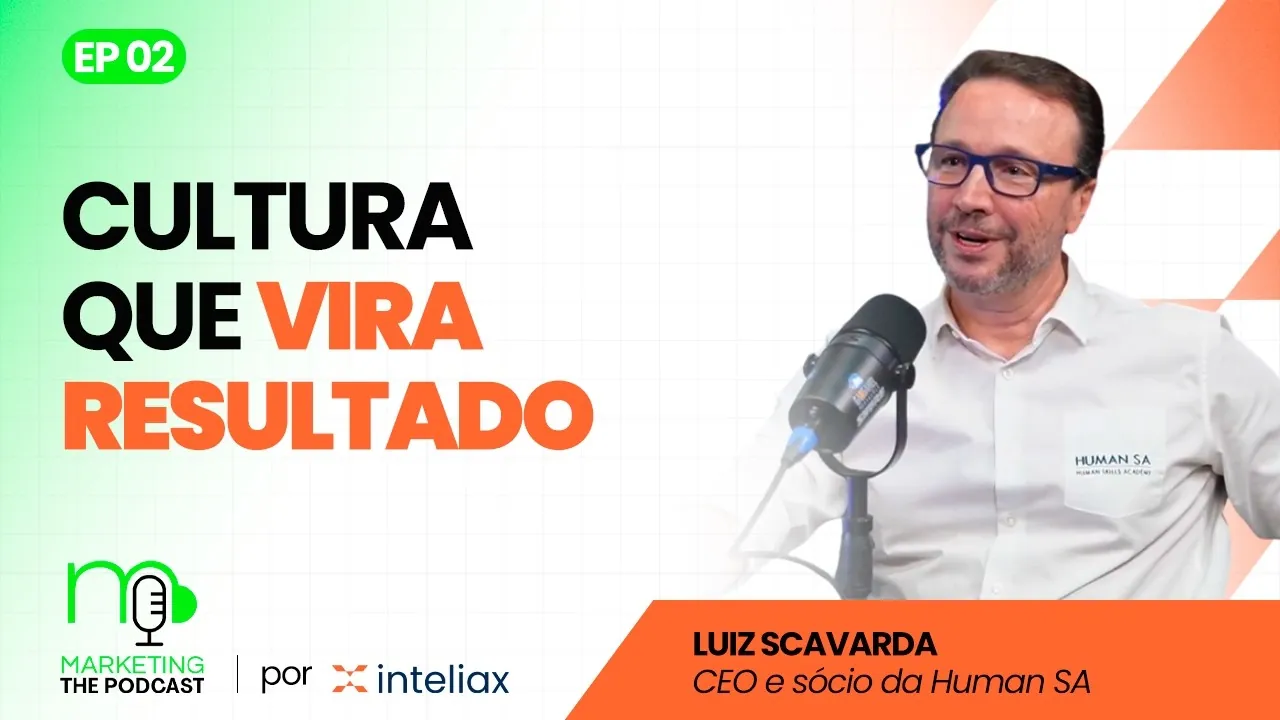
In an interview on Marketing - The Podcast, Luiz Scavarda explains how fear undermines workplace productivity.
Organizational structure matters far less for business outcomes than a team's emotional environment. Analyzing management models, the presence of fear and a lack of psychological safety emerge as primary drivers of workplace accidents and burnout.
Luiz Scavarda, CEO and partner at Human SA, discussed the distinction between management structures and the day-to-day workplace environment during a conversation with Bruno Gimenes on Marketing - The Podcast. According to Scavarda, models with multiple hierarchical tiers—consisting of presidents, vice presidents, directors, and managers—serve merely as organizational mechanisms, whereas leadership behavior determines the overall health and success of a business.
The excerpt is part of a broader episode exploring organizational culture and corporate performance. In the video above, viewers can follow the full discussion and insights on how daily interactions shape decision-making across companies of all sizes.
PUBLICIDADE (GAM) — 1250x250
The impact of fear culture in the workplace
According to Scavarda, the constant presence of internal intimidation creates practical setbacks in operations, ranging from stagnation to severe physical and emotional consequences. He emphasizes that companies where employees do not feel safe voicing their opinions face chronic performance bottlenecks.
"A culture of fear is one of the biggest problems organizations face today. Fear culture leads to accidents, productivity loss, burnout, and a host of issues we see many companies dealing with right now," Scavarda explains.
Psychological safety and management models
When evaluating operational efficiency, Scavarda argues that choosing between a rigid hierarchy or a flat organization is an administrative decision, but not the variable that determines success. A system with a strict chain of command can remain productive as long as it ensures space for employees to speak openly without fear of retaliation.
"When you think about healthy organizational environments, they are typically places where you have psychological safety. And that, Bruno, in my opinion, is more important than hierarchy," Scavarda highlights. Reflecting on his own leadership style, Scavarda notes that he maintains a flexible approach: "I, for example, am very non-hierarchical. Regardless of level, I will go straight to the person on the front lines who can solve the issue."
PUBLICIDADE (GAM) — 1250x250