 Business
What Defines a Strong Organizational Culture in Practice
Luiz Scavarda explains why alignment between leadership behavior and corporate messaging shapes company culture.
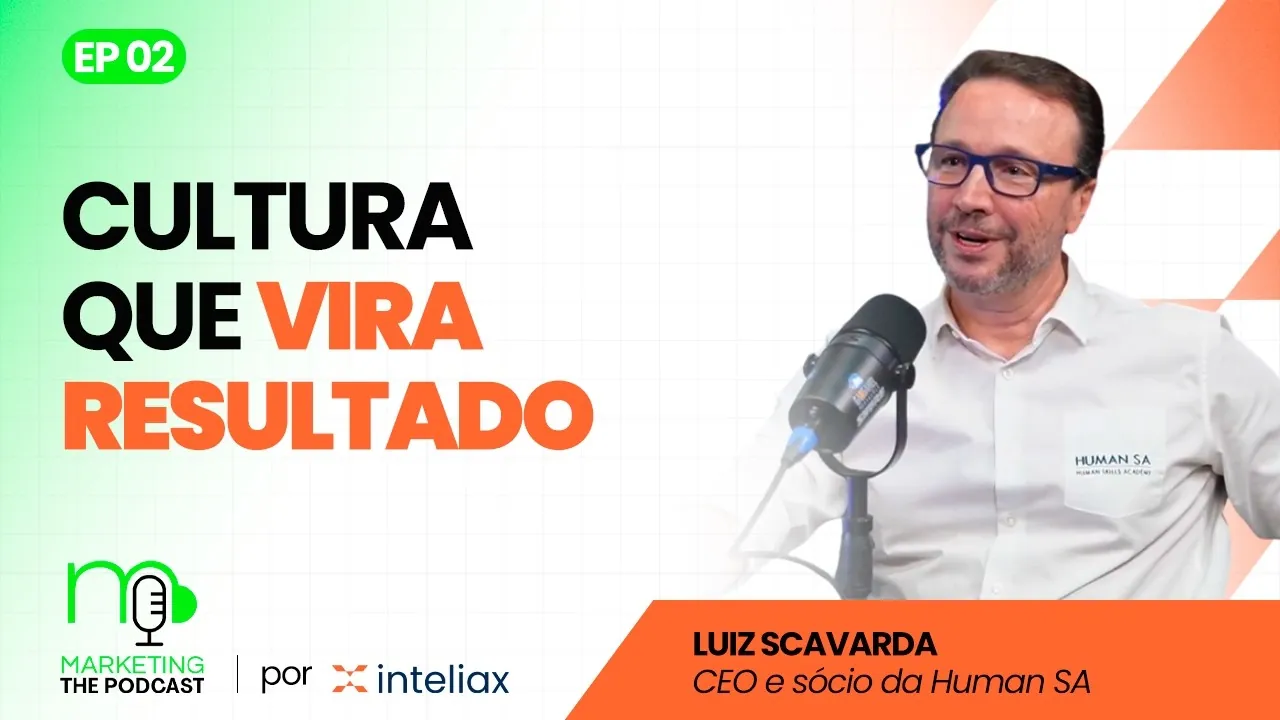
Luiz Scavarda analyzes the structure of organizational culture and explains how to align core values with daily team routines. Speaking on Marketing - The Podcast, he highlights the direct role executive leadership plays in maintaining behavioral consistency.
Luiz Scavarda, CEO of Human SA, explained the core elements of company culture and the most common hurdles to establishing it during a conversation with Bruno Gimenes on Marketing - The Podcast. The episode explores multiple facets of corporate management, focusing heavily on the frequent disconnect between official statements and everyday practices.
In the video above, Scavarda defines culture based on the underlying principles guiding internal team dynamics. "Culture is the set of beliefs, values, and behaviors set by an organization that ultimately become its identity," he states.
PUBLICIDADE (GAM) — 1250x250
The Difference Between Desired and Lived Culture
The primary challenge in culture management arises when well-structured theoretical guidelines fail to translate into day-to-day operations. Scavarda reflects on the beginning of his corporate career, including 11 years spent at Shell, an organization known for its formal processes. Back then, posting mission, vision, and values statements on meeting room walls to guide employees, clients, and external partners was standard practice.
Documenting values remains a necessary step, but it does not guarantee their real-world execution. For Scavarda, business resilience relies on the degree of alignment between strategy and reality: "A strong culture exists when an organization's lived culture closely mirrors its desired culture."
Executive Leadership as a Behavioral Benchmark
Sustaining this consistency begins with executive leadership. When leadership acts in ways that conflict with stated values, it creates an inconsistency that undermines the organization, as teams mirror management's actual behavior rather than theoretical guidelines.
Scavarda emphasizes that employees consistently focus on leadership's daily conduct: "Team members look up and see not what is written on a meeting room wall or what the CEO says in a meeting, but what is actually practiced." According to Scavarda, it is not about labeling cultural models as inherently better or worse, but about ensuring real alignment between what a company says and what it actually does.
PUBLICIDADE (GAM) — 1250x250