 Business
Key Skills for Social Impact Professionals
Dihego Pansini examines the need to balance corporate governance and metrics with active listening in local communities.
Working in social responsibility requires navigating between grassroots community realities and boardroom goals. Dihego Pansini outlines the essential skills needed to lead corporate sustainability initiatives.
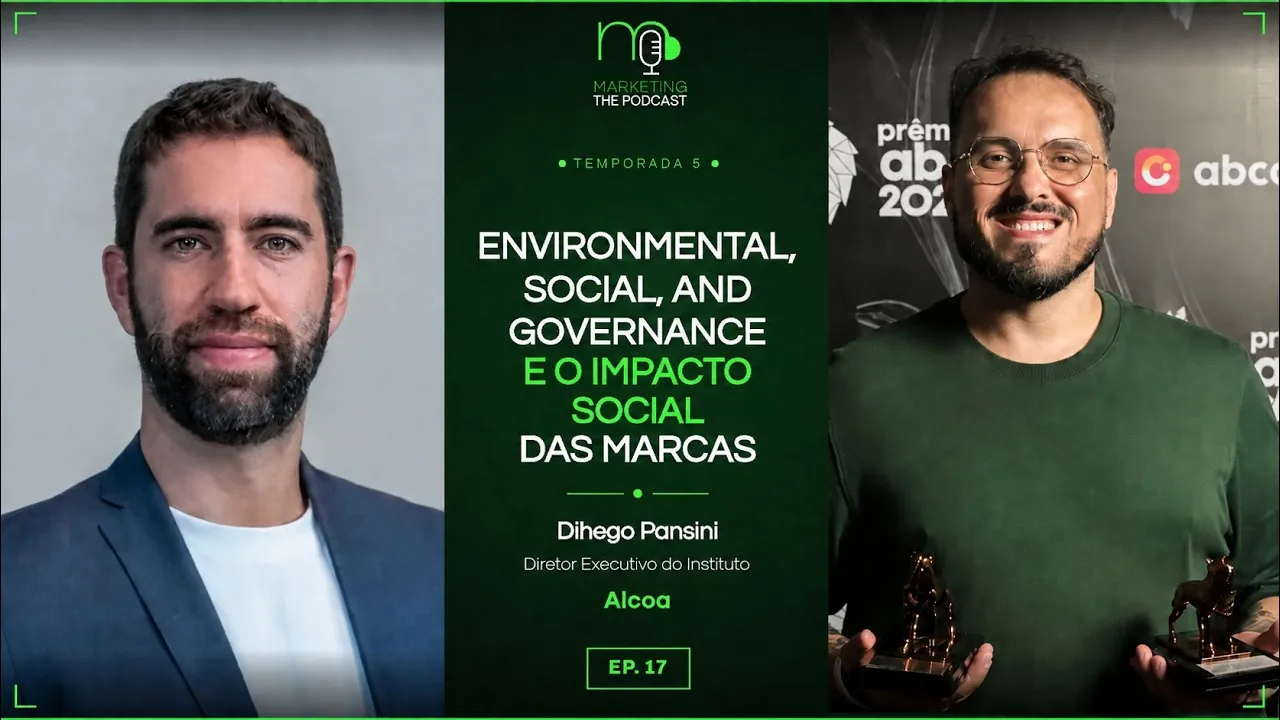
The daily routine of social responsibility and sustainability professionals requires mastering two distinct languages: direct dialogue with local communities and corporate accountability. In a conversation with Bruno Gimenes on Marketing - The Podcast, Dihego Pansini discussed the training challenges and core competencies required for professionals in this field.
In the video above, Pansini emphasizes that while the sector has embraced governance and technical goals, it cannot lose sight of human connection and social empathy.
PUBLICIDADE (GAM) — 1250x250
Bridging the Gap Between Communities and Executive Language
For those working in the field, daily professional life requires the flexibility to engage with stakeholders from entirely different worlds. Pansini points out that the role involves speaking with individuals benefiting from job training and income-generation programs and, on the very same day, aligning strategies with executive leadership.
"You start your day talking to someone in the community and finish it talking to a corporate executive—two groups with completely different languages and worldviews," Pansini notes regarding the wide skillset required.
Technical Management Without Losing Social Sensitivity
Although the corporate agenda demands structured metrics, Pansini highlights that indicators and reports cannot replace a genuine understanding of the reality faced by the communities served. What sets social impact professionals apart is their ability to translate real grassroots transformation into strategic data for the organization.
"All of this is important, but it is vital never to lose the ability to care, to stay empathetic, and to translate that into the management tools and requirements that every organization relies on," Pansini concludes.
PUBLICIDADE (GAM) — 1250x250