Sports
Peu Guimarães on Athlete Management and Influencer Marketing
The Icons founder argues brands should handle content production rather than expecting athletes to become full-time bloggers.
Speaking on XTREMMA Sports, Peu Guimarães discussed the founding of the Icons agency and key challenges in sports marketing. The executive argued that brands must handle content production to help athletes stay focused on high performance.
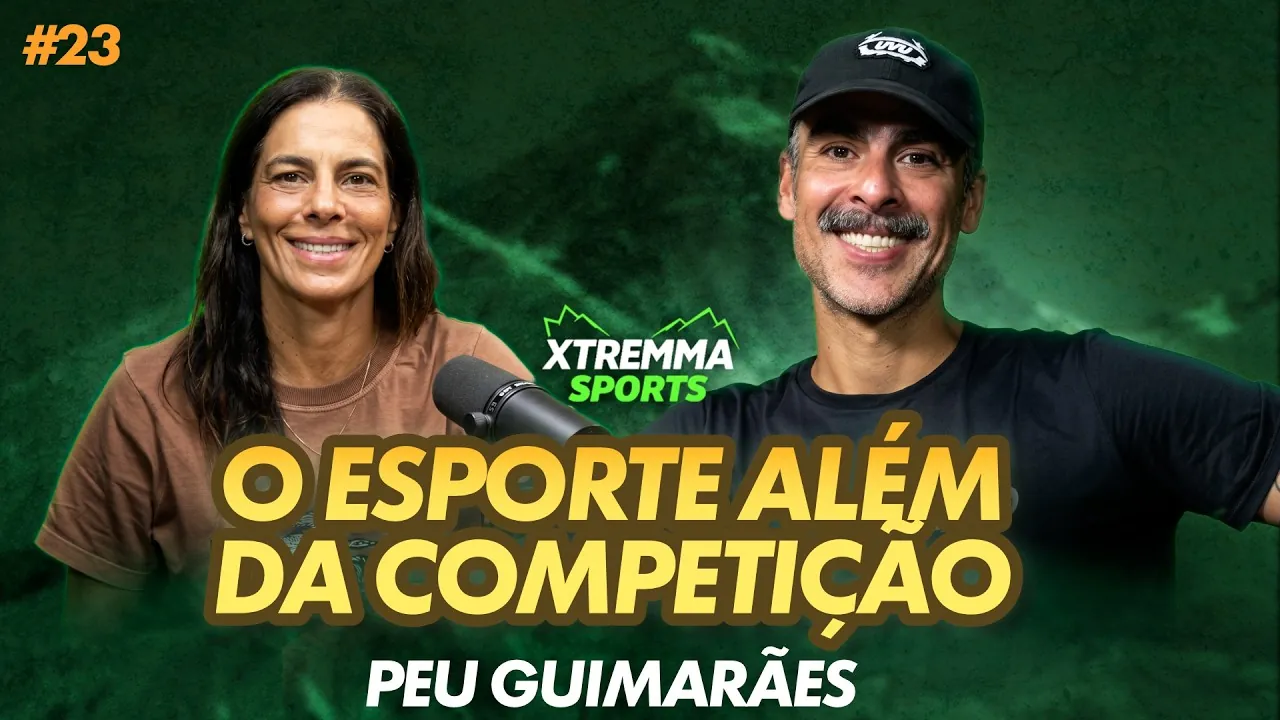
On an episode of the XTREMMA Sports podcast, hosted by Shubi Guimarães, Peu Guimarães discussed the founding of the Icons agency and addressed key dilemmas in modern sports marketing. The conversation highlighted how the rise of digital influencers has shifted sponsorship budgets, often leaving high-performance athletes at a disadvantage when competing for commercial partnerships.
PUBLICIDADE (GAM) — 1250x250
The founding of Icons and the agency model
The Icons agency gained momentum right after the Rio 2016 Olympic Games. Anticipating the arrival of new sports on the Tokyo Olympic program, such as skateboarding and surfing, Peu built an athlete management model centered on medal contenders and a deep understanding of sports marketing regulations, including the International Olympic Committee's Rule 40. Alongside his partner Maurício, he formalized the agency while representing high-profile talent such as artistic swimming duo Bia and Branca Feres.
Their management model was designed to break away from traditional agency practices that bound athletes with heavy termination penalties. The guiding principle was simple: agency compensation would come strictly as a commission on commercial deals secured, without taking a cut from prize money or athletic performance bonuses.
The conflict between elite performance and content creation
One of the biggest hurdles in sports talent management today is direct competition from entertainment-focused content creators. According to Peu, demanding that an Olympic athlete act as a full-time blogger overlooks the intense routine and sacrifices required by elite sports. Constant pressure to generate videos and social media posts diverts critical focus and energy away from training.
The advertising market's preference for influencers often stems from a demand for immediate metrics and straightforward key performance indicators (KPIs). As a result, significant marketing budgets are funneled into raw impression counts at the expense of the real authority and lasting credibility an Olympic athlete brings to their sport.
How brands can better support an athlete's routine
As a sustainable solution, Peu advocates for corporate sponsors to fund and manage media production logistics themselves, embedding content teams into training sessions without disrupting athletic regimens. He highlighted the coverage by photographer Thiago Ribeiro during triathlete Miguel Hidalgo's training camp in Spain, where all content was captured externally without altering the athlete's workout routine.
Shifting this landscape requires bolder corporate decision-makers who are willing to invest in an athlete's journey rather than simply buying reach on superficial social media channels.
PUBLICIDADE (GAM) — 1250x250