 Business
Reverse Logistics: Educating Consumers and Engaging Brands
Robson Esteves explains how ABREE structures disposal channels and works to bring manufacturers into compliance.
Electronics reverse logistics in Brazil depends on shared responsibility among citizens, public authorities, and businesses. Robson Esteves details ABREE's disposal channels and the industry's low formal adherence.
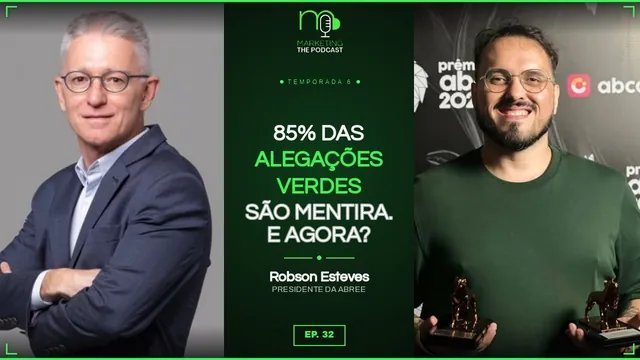
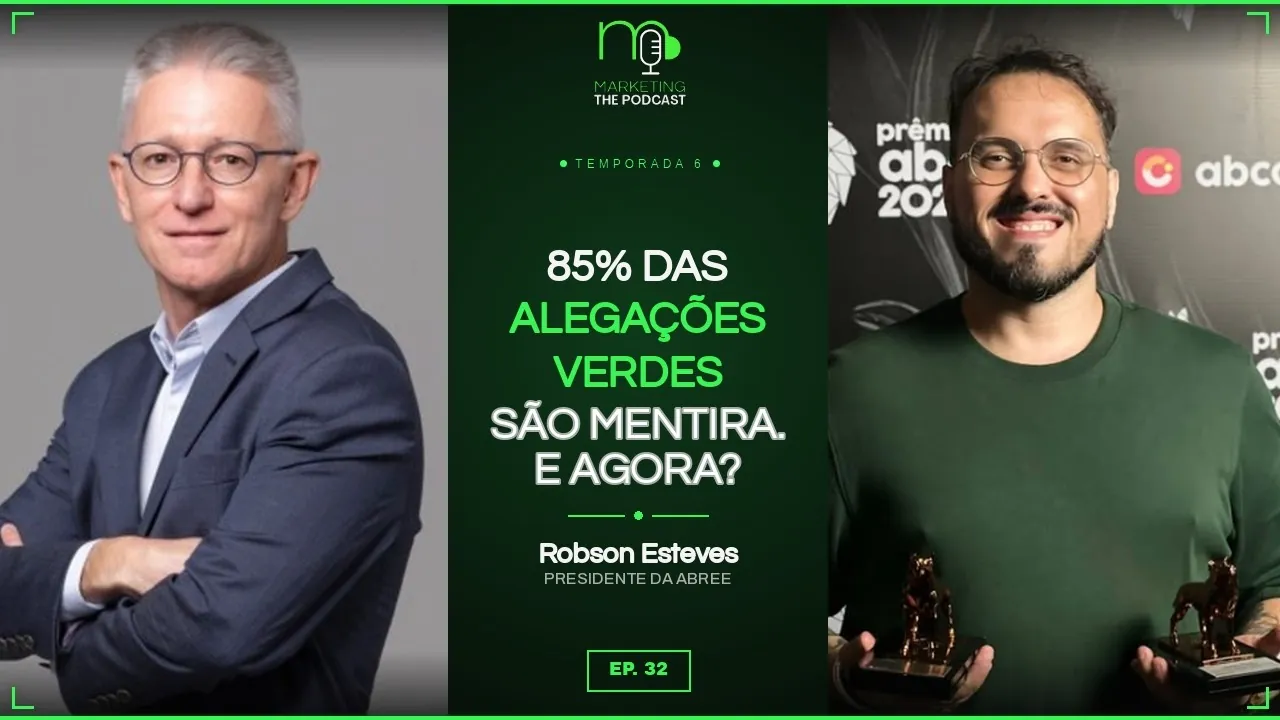
Robson Esteves, president of ABREE (Brazilian Association for the Recycling of Electronics and Home Appliances), spoke with Bruno Gimenes on Marketing - The Podcast about strategies for guiding the public on waste disposal and the urgency of engaging the business sector in environmental compliance. The full episode of the series also addresses other sustainability and governance topics across the reverse supply chain.
In the video above, Esteves explains how the association establishes partnerships with the public sector and provides tools for people to locate the nearest collection drop-off points to their homes.
PUBLICIDADE (GAM) — 1250x250
The disposal network and shared responsibility
The environmentally sound disposal of electronics begins with user behavior. Esteves points out that legislation establishes shared responsibility across all links in the chain: consumers are responsible for bringing unused equipment to a Voluntary Drop-Off Point (PEV), while industry and retail manage collection, treatment, and final disposal.
To streamline this step, the association centralizes drop-off locations on its digital platform. According to Esteves, "you enter your ZIP code and the item you want to discard, and we show you the closest location. Because responsibility, as the National Policy always states, is shared." He notes that the system includes over 7,000 drop-off sites across the country equipped to receive these materials.
Educational initiatives and collection drives
Environmental awareness must be built continuously, both digitally and through field initiatives. The organization runs an education-oriented platform to address the topic with school-age children and teenagers, fostering proper disposal habits from an early age.
Beyond educational content, the organization runs hands-on collection drives across municipalities to gather devices stored in homes for decades. "We organize collection campaigns in municipalities like a drive-thru, make an announcement, usually work with city halls or government agencies, and people drive up and hand items over to us," says Esteves, highlighting that many people keep devices stored for 30 or 40 years simply because they lack information on where to take them.
The challenge of corporate compliance in the formal system
In addition to engaging end consumers, the association works to raise awareness and onboard companies that manufacture or import electronics in Brazil. Although compliance with the law is mandatory, much of the market still operates outside formal reverse logistics systems.
Esteves highlights a significant gap between the total number of companies in the sector and those actively participating in structured recycling initiatives. "We estimate that around 4,000 companies import or manufacture these products and bring them to market, yet not even 5% of them—fewer than 200 companies—participate in a formal reverse logistics system," Esteves states regarding the push to bring new participants into the sectoral agreement.
PUBLICIDADE (GAM) — 1250x250