 Business
360 Bar Marketing Goes Beyond Instagram, Says Flávia Roma
Flávia Roma breaks down using proprietary websites, AI search indexing, earned media, and internal marketing in hospitality.
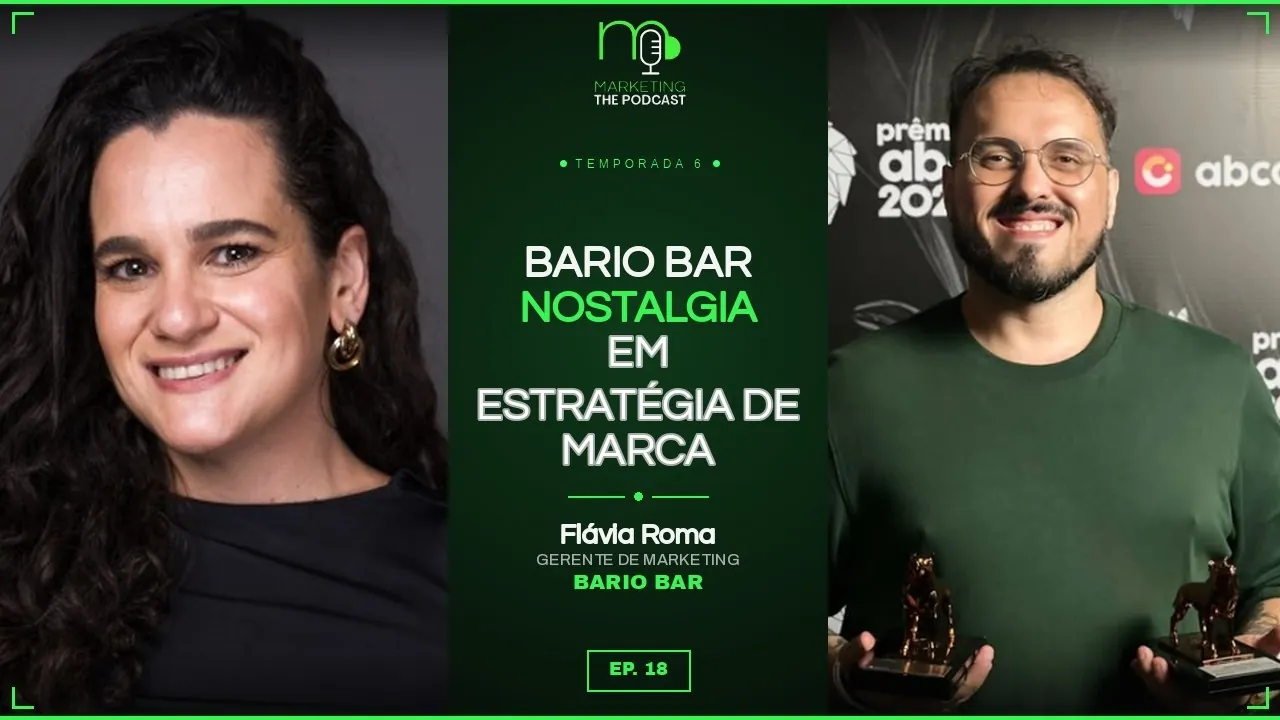
Flávia Roma, Marketing Manager at Grupo Bario Bar, explains how to build a food service communication strategy beyond social media. Roma details tactics combining a proprietary online menu, offbeat holiday calendars, PR, and front-of-house staff training.
Flávia Roma, Marketing Manager at Grupo Bario Bar, joined Bruno Gimenes on Marketing - The Podcast to break down how to structure a full-funnel marketing strategy for bars and restaurants that moves past an exclusive reliance on social media.
In the video above, Roma shares actionable insights from managing communications for brick-and-mortar venues, explaining how to convert digital traffic into foot traffic and optimize customer touchpoints across the physical venue.
PUBLICIDADE (GAM) — 1250x250
A proprietary website as a primary data asset
According to Roma, the most common mistake in bar communications is concentrating an entire audience on social networks. Her advice is to prioritize building and maintaining a proprietary website that acts as a centralized data hub and a direct communication channel free from third-party platform control.
"Keep your data on your own website. Because if Zuckerberg pulls the plug tomorrow, where is your audience? It's on a website, within your own database—not on Instagram's base," Roma emphasizes.
At Bario Bar, this logic is baked into daily operations: tabletop QR codes send patrons directly to the menu hosted on the official website. This setup generates consistent first-party traffic, keeps event schedules up to date, and captures leads for email marketing campaigns.
Multi-platform indexing and AI-powered search
Beyond centralizing information, a well-structured digital footprint is essential for discoverability across artificial intelligence tools and search engines. Roma notes that traffic driven by contextual queries in AI systems has grown dramatically.
"You wouldn't believe how often we show up in AI search results. When we started tracking—and I track millions of data points about where Bario is mentioned—we began appearing across AI platforms and those numbers kept climbing, climbing, and climbing. I asked myself: 'What is happening here?'" Roma says.
To capitalize on this shift, Roma recommends listing venues across Google, the Microsoft ecosystem, and other directory platforms, ensuring core business details like address, hours of operation, menu, and phone number remain accurate and up to date.
360-degree strategy and offbeat holiday calendars
When planning promotional calendars, Roma advocates tapping into unconventional holidays to maintain steady foot traffic year-round rather than relying solely on major retail dates.
"I personally focus on non-commercial dates. At the end of the year, I review the calendar and look at every date—for instance, today is Friendship Day, so we have a Friendship Day promo running at the bar. We do promotions for Pizza Day, Nerd Day, Sibling Day. I build campaigns around these offbeat dates," Roma explains.
A 360-degree strategy means deploying these campaigns across multiple in-venue touchpoints. In addition to digital channels, Bario utilizes internal digital signage with custom visuals, tabletop displays, and dedicated messaging for corporate event bookings.
Supplier negotiations and PR outreach
Broader campaign reach also provides leverage when negotiating partnerships with major brands and suppliers. Roma points to their partnership with Coca-Cola, where performance metrics from previous activations serve as the foundation for securing trade spend and commercial support on upcoming projects.
Another pillar is targeted public relations focused on earned media, securing regular coverage across major news outlets, lifestyle portals, and cultural guides without depending on paid media budgets.
Front-of-house staff as a core marketing channel
Finally, Roma highlights service staff training as one of the most underutilized marketing assets in the food service industry. Floor staff must be well-versed in active promotions and proactively showcase offerings to guests.
"The biggest marketing asset people overlook is their own team. Being an employee means being a marketer," Roma states. In her view, servers should adopt the mindset of consultative salespeople, ensuring the brand's upfront marketing efforts successfully convert on the floor.
PUBLICIDADE (GAM) — 1250x250