Sports
Trail Race Production and the Art of Observation
Poliana Moraes explains why empathy, scheduled rest, and keen behind-the-scenes observation transform outdoor events.
On STEMMA na Trilha, producer Poliana Moraes reveals what separates basic event setup from operational excellence in outdoor sports. Learn how athlete empathy and arena flow analysis define a race's success.
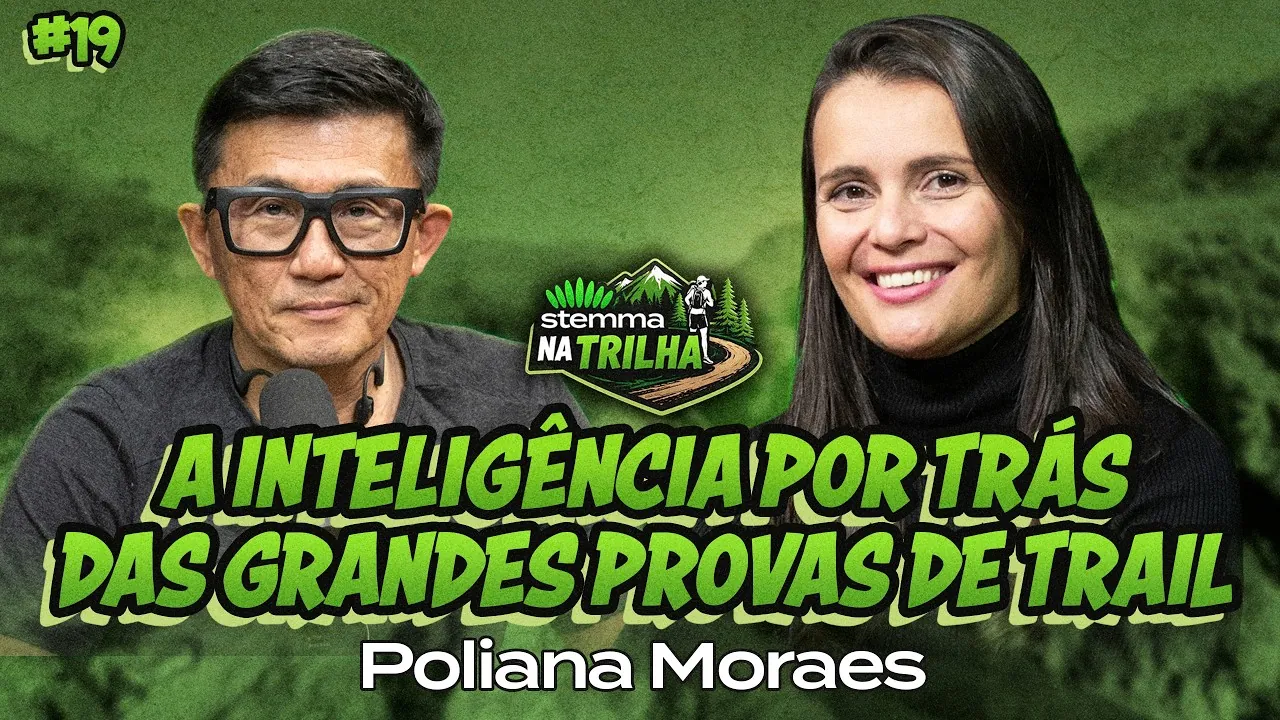
In the world of trail running and major outdoor sports events, setting up start-finish arches, pitching tents, and aligning barricades is just the bare operational minimum. For an event to truly deliver a memorable experience for athletes, production demands a rare combination of technical discipline, empathy, and behind-the-scenes analytical skill. On the podcast STEMMA na Trilha, hosted by Sidney Togumi—in an episode exploring operational intelligence challenges—producer Poliana Moraes shared her perspective on the essential qualities required to lead major races.
PUBLICIDADE (GAM) — 1250x250
Discipline, rest, and empathy for the athlete
According to Poliana, while the industry features plenty of agency staff and support crews, few producers dedicate themselves entirely to the nuances of outdoor sports. Among the core traits of top-tier leaders are operational resilience paired with rigorous planning. Dispelling the myth that race production requires going days without sleep, professional management builds scheduled rest into the timeline so leadership remains clear-headed during critical decision-making.
Another indispensable asset is empathy and a deep understanding of the participant's journey. Even without competing, a great producer must see the course through the runner's eyes: if an aid station with a specific supplement or hydration option was promised at mile 18, it cannot be placed at mile 20, as that compromises athlete race strategies. Likewise, this empathy balances with strict rule enforcement—such as requiring mandatory medical certificates—where participant safety must always prevail, even during difficult calls.
The power of observation and flow analysis
Beyond meticulous planning, a decisive operational edge lies in observing human behavior across the event venue. Poliana stresses the value of a 360-degree perspective to verify whether the flow planned on paper holds up in reality. In the post-finish recovery area, for example, tracking the distance between medal distribution, hydration stations, and gathering zones provides invaluable data for future editions.
Analyzing the post-finish routine reveals that many runners do not seek food immediately: they sit down, send photos to family, celebrate with their teams, and take in the atmosphere before refueling. Understanding this runner behavior ensures that post-race areas, lounges, and celebration spaces honor the milestone rather than rushing participants out of the venue.
Delegating to see the bigger picture
This level of detailed observation is only possible when leadership builds cohesive teams and avoids getting trapped in purely mechanical tasks on race day. When a producer successfully delegates direct routine execution, they gain the bandwidth needed to assess overall venue operations, offer precise feedback to coordinators, and continuously refine the operational intelligence powering the sport.
PUBLICIDADE (GAM) — 1250x250