Sports
Poliana Moraes: A Career in Sports Event Production
From mall promotions to sports marketing, the producer details her 360-degree approach to managing major events.
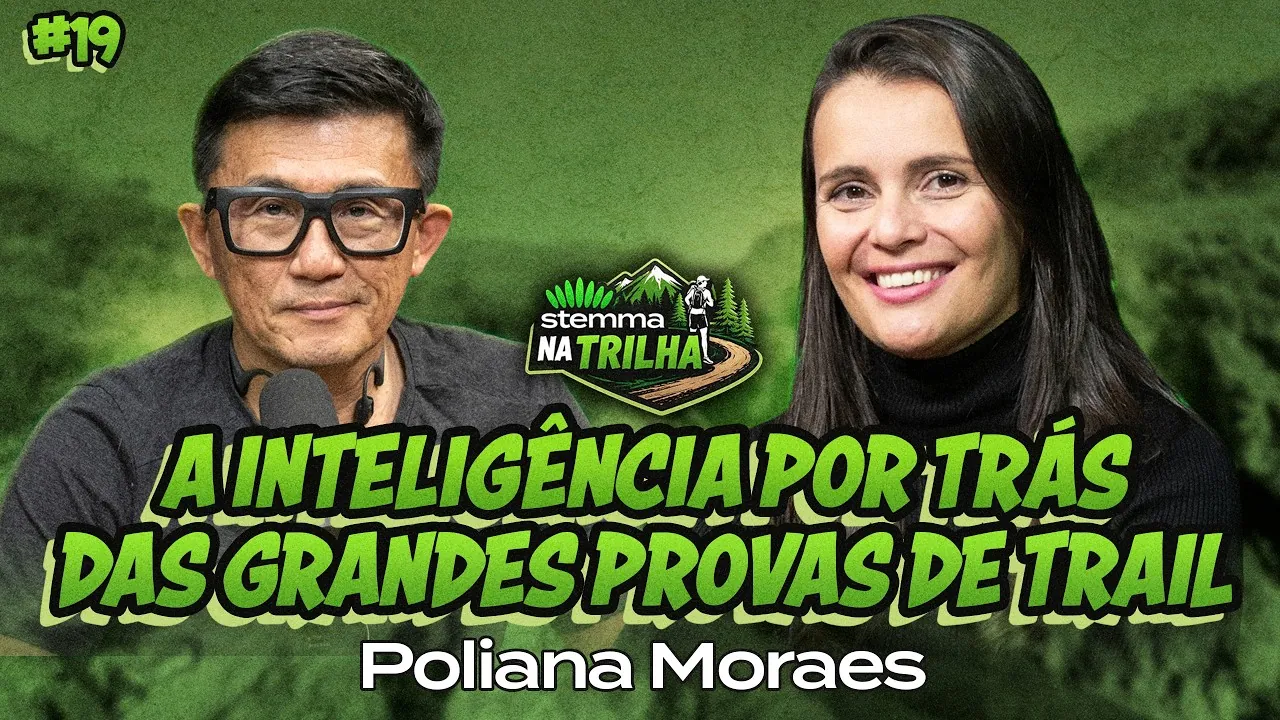
Starting her career at just 14 and gaining experience in entertainment, Poliana Moraes has built a solid path as an executive producer of sports events. In a conversation on Stemma Na Trilha, she explains how her end-to-end operational vision spans from initial concept to teardown.
A passion for organization was part of Poliana Moraes' life long before she became a benchmark behind the scenes in outdoor sports. Born in Guararema and raised in Mogi das Cruzes, Poliana began her professional journey at age 14. Her first hands-on experience came in the marketing department of a local shopping mall, where she helped produce Santa Claus arrivals, fashion shows, and live performances.
Her natural inclination for leadership and coordination—already evident in student councils and school groups—shaped her career path. Seeking specialized training in major event production, she joined the inaugural cohort of the Rock in Rio event management course. In college, after an initial semester studying Business Administration, she realized she wanted a more dynamic, hands-on field and switched to a degree in Marketing.
PUBLICIDADE (GAM) — 1250x250
The Transition from Entertainment to Sports
For years, Poliana worked in large-scale concert and nightlife production, forging ties with venue owners and producers in Mogi das Cruzes, such as Buxixo Bar. Her transition into sports began around 2011 and 2012 through a partnership with Gustavo from Índice, who gave her her first formal introduction to the sports marketing industry.
Following this transition, her work shifted primarily toward sporting competitions, cementing her career in executive production.
Executive Vision and 360-Degree Management
Poliana defines her methodology by the ability to map the complete lifecycle of an event: from the organizer's initial concept to final teardown and post-event analysis. According to the producer, even when hired for a specific segment—such as athlete race kit distribution—the role demands a comprehensive understanding of the race regulations and ongoing coordination with adjacent technical teams, preventing operational bottlenecks before they impact the participant experience.
PUBLICIDADE (GAM) — 1250x250