 Sports
Roberto Fonseca's Routine and Sacrifices in Triathlon
Two-time Ironman World Championship runner-up details personal sacrifices, quitting alcohol, and the daily pursuit of consistency.
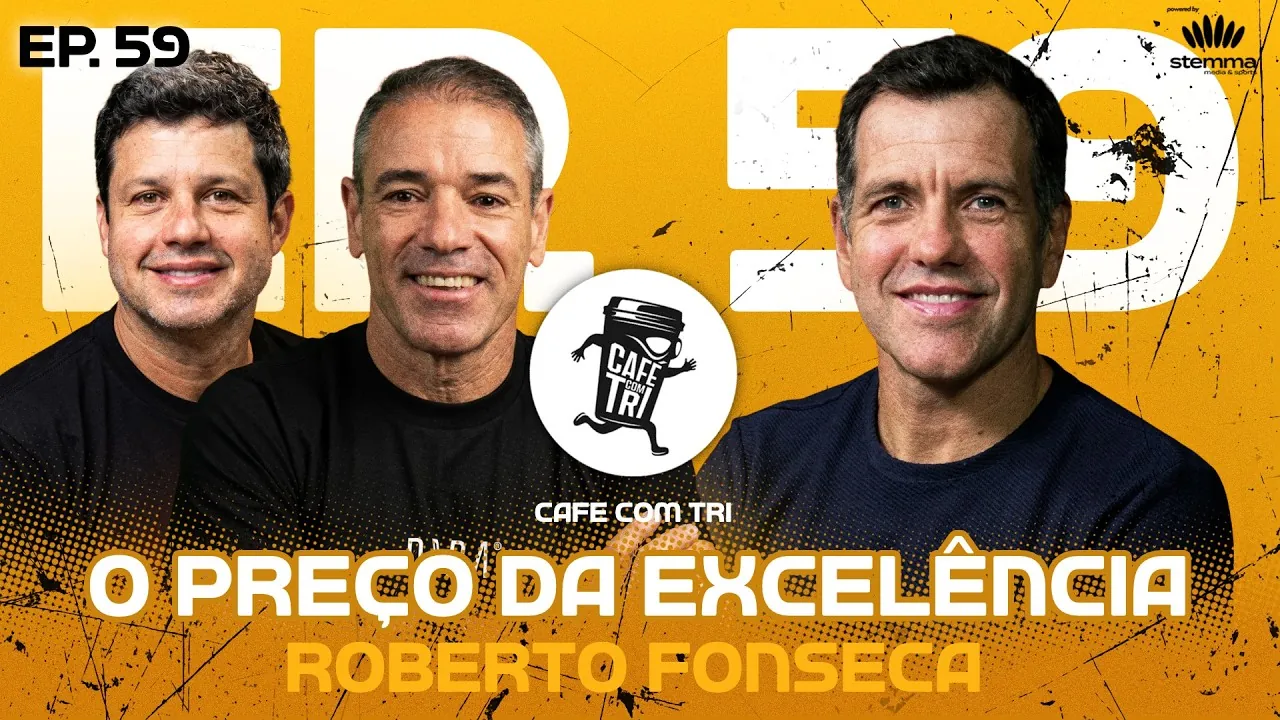
Roberto Fonseca shared on Café com Tri the sacrifices required to compete at the top of amateur Ironman racing. The athlete discussed the impact of long training sessions on family life, drastic lifestyle changes, and the fine line between discipline and obsession.
Reaching the pinnacle of amateur world triathlon requires far more than talent or willpower; it demands meticulous time engineering and intentional daily choices. In a conversation on Café com Tri, Roberto Fonseca opened up about the behind-the-scenes preparation that led him to two Ironman World Championship runner-up finishes in Kona, highlighting the sacrifices and alignments necessary to sustain a high-performance routine.
PUBLICIDADE (GAM) — 1250x250
Family agreements and everyday sacrifices
Roberto's turning point began around 2019, intensifying between 2021 and 2022 following a strong performance at Ironman Cozumel and a real shot at contending for top spots in Hawaii. To accommodate the massive training volume, the first major adjustment happened at home through constant dialogue with his wife, Juliana.
With Sunday sessions along Rodovia dos Bandeirantes reaching six hours of cycling followed by a ninety-minute run, time dedicated to family had to be reimagined. To offset the impact of these absences, Roberto maximized professional efficiency in his corporate career and prioritized key moments with his children, such as driving them to school and attending swim practices.
Drastic lifestyle changes and total focus
As athletic demands increased, Roberto realized it made no sense for his family to make sacrifices while he engaged in high-risk or draining habits. To prevent injuries that could derail his schedule, he gave up weekend soccer and surfing. Socializing with long-time friends was also restructured to accommodate strict sleep and recovery schedules.
Another defining shift was giving up alcohol entirely—a symbolic decision for someone who previously owned Bar Municipal in São Paulo's Vila Madalena neighborhood. The reorganization extended to his career: transitioning from a traditional full-time banking role to project and consulting work allowed him to integrate essential recovery practices, including regular physical therapy, strength training, and heightened focus on sleep quality.
The fine line between discipline and obsession
When asked about the boundary between commitment and excess, Roberto admits he frequently flirts with obsession to stay competitive. Having reached his physical peak after age 40, he remains acutely aware that absolute consistency is the only way to offset biomechanics and maintain peak pace during ultra-endurance events.
This near-unbroken consistency meant that in certain years, Roberto took only nine full rest days, frequently logging three workouts a day. While fully aware of the toll of such dedication, his training routine remains an indispensable mental and physical necessity in striving for excellence on the world stage.
PUBLICIDADE (GAM) — 1250x250