 Sports
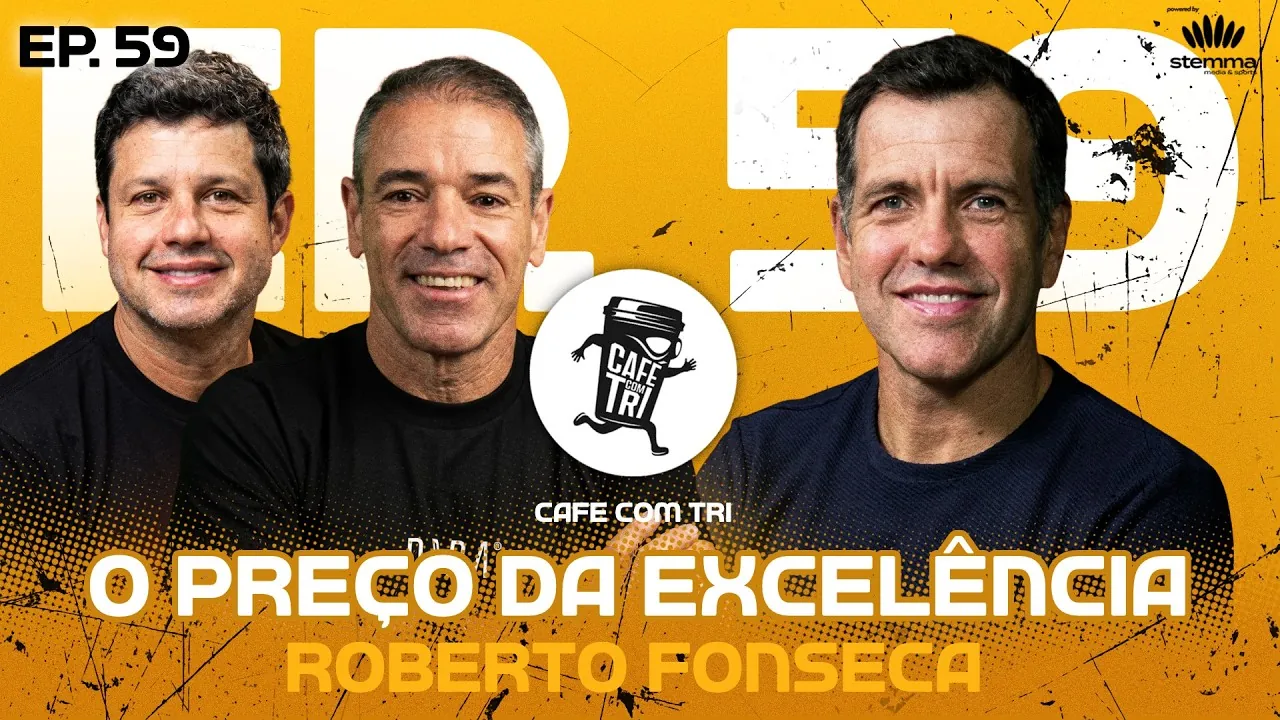
Recovery and Race Risks: Roberto Fonseca's Routine
On Café com Tri, the triathlete breaks down his morning habits, injury prevention, and the fine line between risking it all and blowing up.
Roberto Fonseca shares key adjustments in his routine to sustain high-performance triathlon longevity. The athlete breaks down his daily mobility, sleep, and nutrition habits, while explaining his calculated approach to taking risks on race day.
Maintaining top-tier performance in long-distance triathlon over the years demands continuous adjustments. In a conversation on Café com Tri, Roberto Fonseca shared how maturity led him to prioritize a routine centered on consistency and injury prevention, while also reflecting on calculating risk when chasing podium finishes at events like the IRONMAN World Championship in Kona.
PUBLICIDADE (GAM) — 1250x250
Morning routine, mobility, and strength training
For Roberto, daily efficiency begins the moment he wakes up. Since the pandemic, he has practiced 10 to 15 minutes of morning meditation and breathwork. The goal is not directly to accelerate physical recovery, but rather to foster the mental clarity needed to make sound decisions and stay focused on priorities throughout the day.
Next comes 5 to 10 minutes of daily mobility, completing an initial routine of roughly thirty minutes. This dynamic release aids post-workout muscle recovery, improving running economy and upper-body mobility for swimming. To counter age-related muscle loss and manage knee and hamstring pain, Roberto added two weekly 30- to 40-minute weighted strength sessions tailored for cycling, alongside dedicated trampoline work at Marinos with coach Caio.
Habits that sustain consistency
Another crucial pillar lies in simple daily habits. The athlete emphasizes cutting out alcohol entirely roughly two to three months before major competitions, which directly enhances sleep quality and early morning training sessions. His sleep routine targets seven to eight hours per night, typically turning in between 9:00 PM and 10:00 PM.
On the nutritional side, guided by sports nutritionist Fernanda Palma, he follows a targeted carbohydrate strategy featuring lower carbs at night and occasional fasted morning workouts, reserving carbohydrate replenishment for post-bike sessions and lunch. To shield against the triathlete's main setback—injury—Roberto never skips warm-ups, muscle activation, or cool-downs, extending swim workouts by at least 200 meters and concluding hard track workouts with up to 2 km of easy jogging.
Race risk strategy: fading versus blowing up
When competing for top age-group spots, pushing the pace is inevitable if you are aiming for the podium. Roberto notes that while he embraces pushing his limits—such as hammering on the bike and taking an aggressive stance on the marathon—his movement economy and mental grit prevent a catastrophic collapse.
During the marathon in Kona, for instance, he clocked sub-three-hour pace over the opening kilometers chasing race leader Rafael Godoy, who held a 20-minute lead. Once he noticed the gap remained steady and verified a safe margin over third place, he adjusted his effort to finish the run in 3:07 without falling apart. For Roberto, tiring out and slowing down is part of racing on the edge, but maintaining the grit to hold form all the way to the finish line is what secures the result.
PUBLICIDADE (GAM) — 1250x250