 Sports
Ricardo Cintra: From Sprint Swimming to Open Water Glory
World champion coach and Olympic medalist breaks down his career journey and historic achievements with Poliana Okimoto.
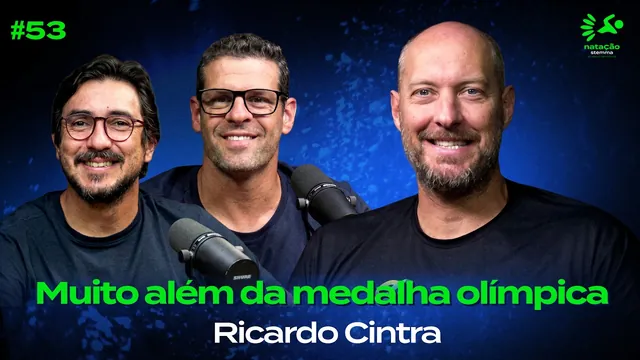
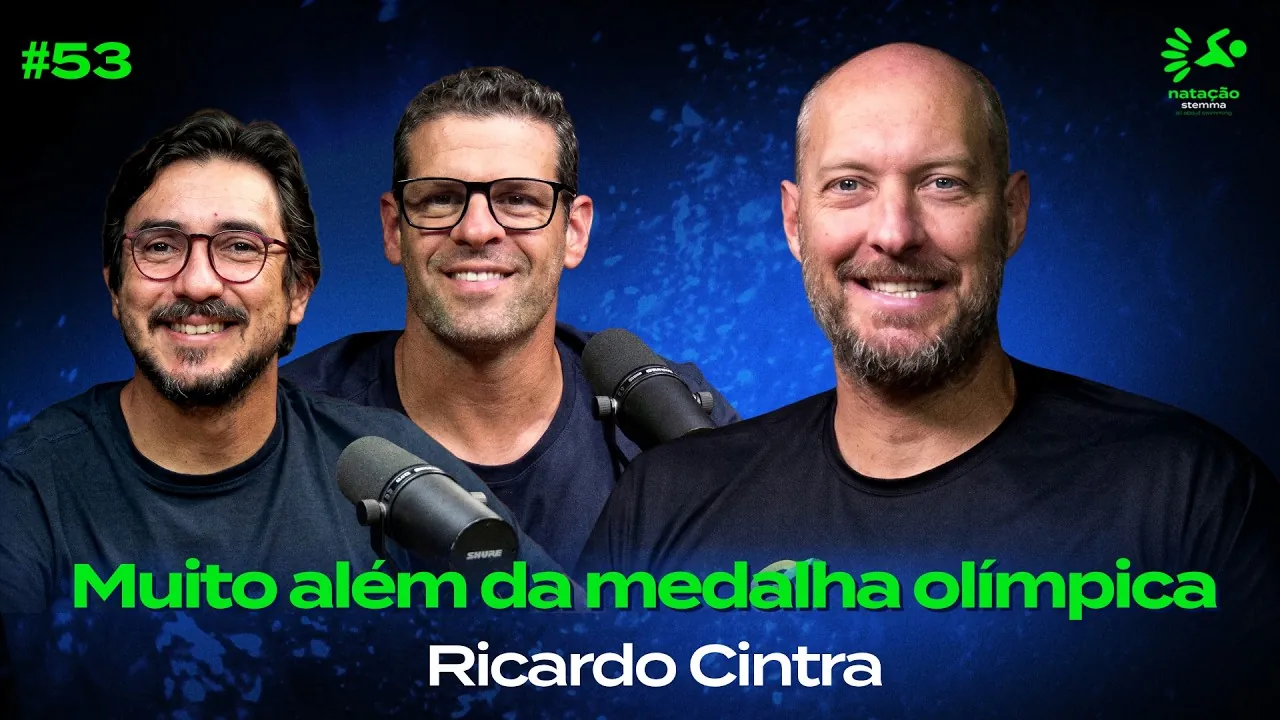
In an interview with Natação Stemma, coach Ricardo Cintra reflects on his early career as a sprint swimmer and the years of dedication that propelled Poliana Okimoto to the Olympic podium. The episode covers key milestones in marathon swimming, the sport's developmental hurdles, and his current training initiatives.
Head coach of the Brazilian National Marathon Swimming Team for over a decade and the mastermind behind Poliana Okimoto's historic Olympic bronze medal at Rio 2016, Ricardo Cintra joined Natação Stemma to reflect on his journey. In conversation with Samir Barel and Wanderley Santos, he revisited memories spanning his early days as a competitive sprinter to his current work coaching amateur swimmers.
PUBLICIDADE (GAM) — 1250x250
Early life and Ricardo Cintra's career as a sprint swimmer
Born in Mogi Mirim, Ricardo took his first strokes in a local gym's 20-meter pool, training alongside athletes who would later make their mark in triathlon. Excelling in the 50m and 100m freestyle events, he moved at a young age to the Corinthians athlete house under head coach William Urizzi de Lima. He later represented Pinheiros for five years, swimming alongside Brazilian icons such as Gustavo Borges and Cassiano Leal, and had a stint with Minas Tênis Clube before joining Santa Cecília, where he claimed silver in the 50m freestyle at the 2002 José Finkel Trophy.
Transition to coaching, launching a team, and Poliana Okimoto's early steps
After completing his physical education degree in Santos and retiring from competitive swimming, Cintra took on the challenge of coaching Poliana Okimoto, who was going through a plateau in her pool times. Supported by coach Vanzella and establishing a training base at Unimonte—drawing dozens of triathletes with deck support from Palito—he recognized Okimoto's exceptional aerobic engine. That insight paid off when Poliana won the prestigious Travessia dos Fortes, marking her definitive pivot toward open water racing.
The 2006 Naples World Championships and Brazil's breakthrough
Their official international debut took place at the 2006 World Open Water Swimming Championships in Naples, where Poliana secured two silver medals (5 km and 10 km). Ricardo recalls the contrast between the dismissive initial reaction from established swimming superpowers and the global respect Brazil commanded over the years, establishing the nation as an open water powerhouse alongside athletes like Ana Marcela Cunha and Allan do Carmo.
The 2013 golden generation and grassroots challenges
The team's peak at the World Aquatics Championships came in Barcelona 2013, where Brazil topped the open water medal table behind Poliana's historic 10 km gold and a 1-2 Brazilian podium finish with Ana Marcela. Despite these stellar achievements, Cintra points out that Brazil failed to capitalize on the momentum to build grassroots programs across clubs, leaving open water swimming dependent on occasional individual talents and distance pool swimmers.
Breaking psychological barriers in women's swimming
These open water achievements played a pivotal role in shifting paradigms across Brazilian swimming. Ricardo shares the extensive mental preparation process, conducted alongside sports psychologist Regina Brandão, to dismantle the historical belief that Brazilian female swimmers could not realistically reach the Olympic podium, paving the way for a more confident competitive mindset in pool swimming as well.
The daily grind and challenges of being husband and coach
Elite-level sports demanded unrelenting commitment over their 15-year partnership in the pool and the open sea. Ricardo breaks down the emotional toll and day-to-day pressure of balancing coaching duties with marriage, taking charge of logistics, race tactics, and nutritional plans. He also reflects on coaching other elite swimmers before eventually stepping away from national team squads.
The Okimoto & Cintra sports consultancy
Following the Olympic cycle, Cintra turned his attention to the Okimoto & Cintra coaching consultancy, establishing training hubs at Clube Esperia and Esporte Clube Sírio in São Paulo. The program primarily caters to triathletes and amateur swimmers, focusing on technical development for everyone from novices to athletes preparing for classic open water swims like the 14 Bis and ultra-distance marathons.
History and expansion of the Travessia Poliana Okimoto (TPO)
The coach also discusses the rapid growth of the Travessia Poliana Okimoto (TPO), an open water event designed to celebrate and extend the athlete's legacy. Organized in partnership with Vega, the event draws thousands of competitors to the São Paulo coastline and features races including aquathlons, with plans underway to expand stages to Santa Catarina and Brazil's Northeast.
Behind-the-scenes memories: Beijing 2008 and the Michael Phelps clash
Wrapping up the episode by reviewing defining photos from his career, Cintra shared behind-the-scenes anecdotes—including the time Poliana accidentally struck Michael Phelps's arm with her hand paddle during a warm-up sprint at the Beijing 2008 Olympic Games, right before the American legend competed in his final event of the meet.
PUBLICIDADE (GAM) — 1250x250