 Sports
Pro Cycling Tactics at Ironman 70.3 São Paulo
André Lopes explains how chases and breakaways shape pro racing and set the elite pace apart from amateurs.
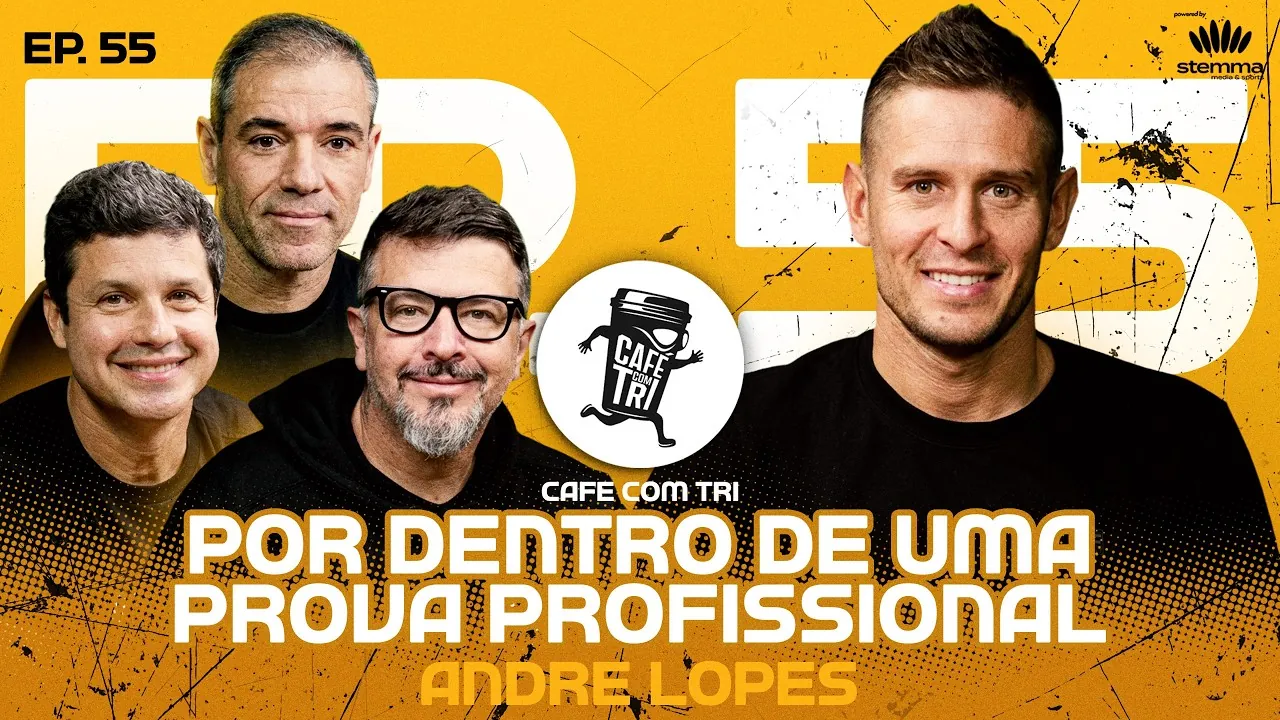
In an interview with Café com Tri, pro triathlete André Lopes breaks down the strategic decisions on the bike leg at Ironman 70.3 São Paulo. He analyzes the physiological cost of shutting down breakaways and highlights how elite reactive pacing contrasts with amateur linear power.
In elite triathlon, the bike leg is rarely about sticking to a linear power target. In high-level events like Ironman 70.3 São Paulo, cycling turns into a dynamic game of chess where losing touch with the front pack demands split-second tactical decisions and carries a heavy physiological price tag.
PUBLICIDADE (GAM) — 1250x250
The difference between linear power and reactive racing
During his appearance on the Café com Tri podcast by Stemma Sports, professional triathlete André Lopes highlighted the strategic gulf separating the elite field from age-group divisions. While age groupers aim to maintain steady, controlled numbers from start to finish to protect their run, pros must race reactively, tailoring their efforts to the moves of their rivals.
According to André, training allows athletes to dial in thresholds and intensity zones, but elite racing demands sharp body awareness and real-time adaptability. If a dangerous competitor breaks away or a gap opens right out of transition, the initial power plan must be tossed aside to respond to the race dynamics.
The cost of closing a 30-second gap
At 70.3 São Paulo, André faced setbacks early in the swim and first transition, coming out roughly 20 to 30 seconds behind the front pack. In the pro ranks, that fraction of time demands a disproportionate effort: to bridge the gap against athletes already hammering the pedals, the chaser is forced to push well above their target pace.
To catch the chase pack, André had to spend around 30 minutes at maximum effort along the Marginal highway, burning precious matches he intended to save for later in the race. The impact is twofold: beyond the physical toll of bridging across, the chasing athlete loses the chance to dictate the race pace and is thrust straight into damage control mode.
Neutralizing breakaways and driving the chase
By the time he caught the chase group, the tactical landscape had already shifted: Reinaldo was solo off the front. Unable to count on immediate help from other powerhouse cyclists in the group—such as Felipe Santos (Tozo) and Tacone, who both dealt with their own setbacks—André took the front of the pack to keep the leader's advantage from ballooning.
Driving the pace at the front takes a major toll on an athlete while shielding competitors within legal draft zones, towing well-rested rivals into the run. For André, navigating these risks and reading race dynamics is an ongoing learning curve built across dozens of professional starts on the international circuit.
PUBLICIDADE (GAM) — 1250x250