Sports
How Yago Alves Balances Distances in Race Scheduling
The professional triathlete details the challenge of alternating between short-course races and Half Ironman events throughout the season.
Yago Alves explains how he navigates an intense triathlon racing calendar by alternating between short-course and middle-distance events. The professional triathlete reflects on demanding back-to-back race weekends and the physical adaptations required for quick turnarounds.
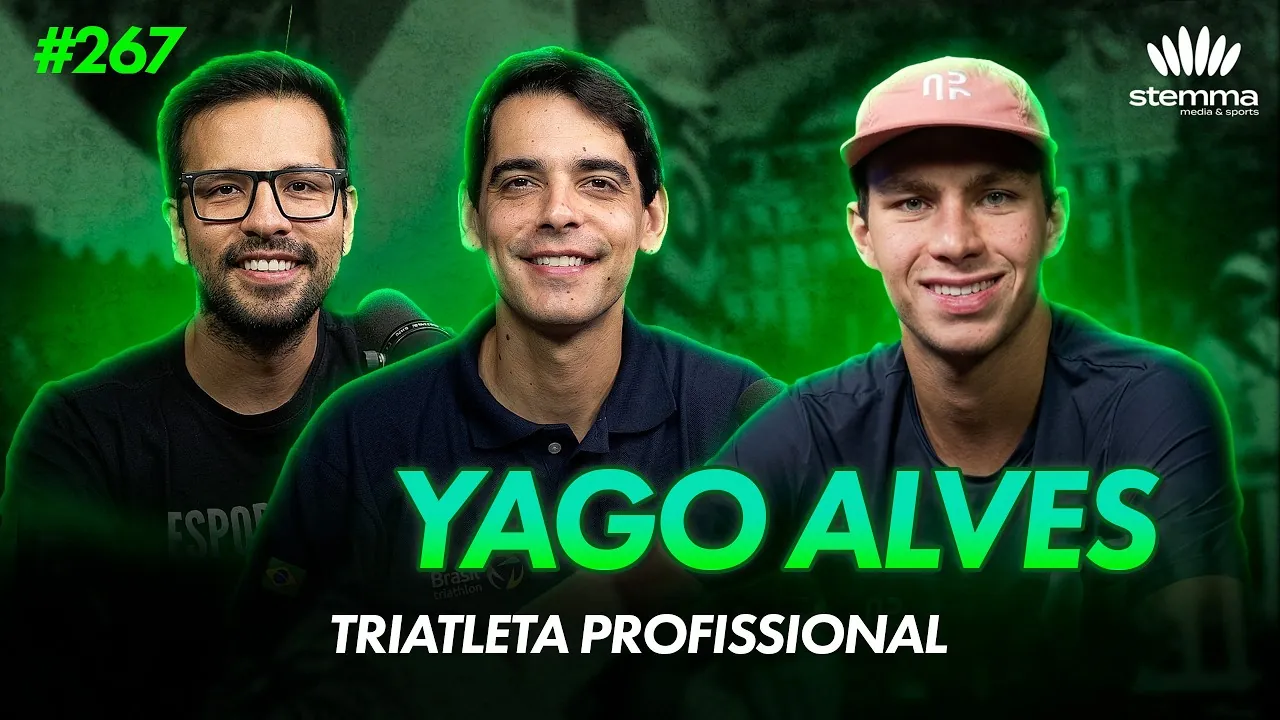
Building a competitive schedule in elite triathlon requires balancing athletic ambitions, mandatory commitments, and how the body responds to different stimuli. On episode #267 of the Stemma Podcast—which also covered other milestones in his career—pro triathlete Yago Alves explained how he manages the transition between short-course events and middle-distance races, alongside the frequent routine of competing on consecutive weekends.
PUBLICIDADE (GAM) — 1250x250
A history of multiple starts and doubleheaders
Stacking race starts is nothing new in Yago's athletic journey. Since his youth racing days, he regularly competed in open-water swim events in the morning followed by road running races in the afternoon. This dynamic continued into his adult career through extreme challenges, such as competing in two aquathlon formats and an Olympic triathlon on the same weekend in the Metrópoles circuit, or a grueling three-day racing stretch in Maceió spanning individual sprint and mixed team relay events.
Despite his familiarity with intense turnarounds, tackling two Half Ironman races just one week apart proved to be an unprecedented experience. The travel logistics of returning from an international race to another start line added extra physical toll, compounded by luggage and equipment delays that demanded rapid psychological and physical adjustments to be race-ready.
Balancing the Half Ironman and short distances
According to Yago, the biggest hurdle in annual planning lies in reconciling the training requirements of the Half Ironman with Olympic and sprint distance events. Often, an athlete starts preparation focused on middle-distance endurance but must fit fast, short-course events along the way—or vice versa, when a 70.3 race appears in the middle of a short-course speed block, as happened in Brasília.
This overlapping calendar demands flexibility and the acceptance that arriving at 100% distance-specific form is not always possible. Faced with a schedule that is rarely ideal, the athlete highlights that toeing the line without tailored, down-to-the-millimeter preparation is simply part of the reality of professional triathlon.
PUBLICIDADE (GAM) — 1250x250