
 Sports
Making a Living in Triathlon: Yago Alves Shares the Road
From Clube Pinheiros to military athlete programs, the Brazilian pro explains the financial milestones of elite sports.
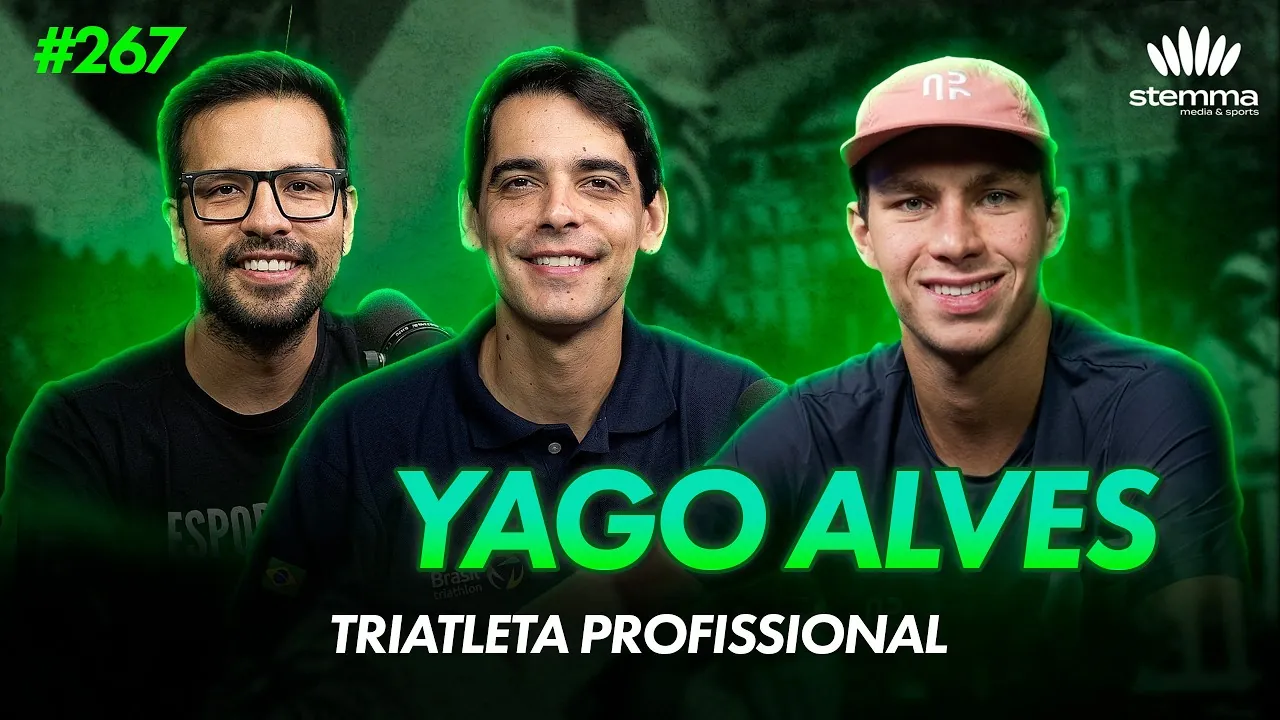
Making a full-time living from professional triathlon requires planning, patience, and steadily building support networks. In an interview on the Stemma Podcast, Yago Alves breaks down short-distance circuit costs and the milestones that solidified his career in the sport.
Transitioning from youth categories to elite triathlon and achieving financial sustainability is one of the toughest challenges for any athlete in Brazil. Appearing on the Stemma Podcast, professional triathlete Yago Alves detailed the behind-the-scenes reality of his journey and what proved decisive in turning daily training dedication into a viable career.
PUBLICIDADE (GAM) — 1250x250
The turning point at Clube Pinheiros
For Yago, the major breakthrough came in 2022 when he was invited to join the team at Esporte Clube Pinheiros in São Paulo. Although he was already competing in the professional field, moving to São Paulo provided the infrastructure, club salary, and visibility required to focus entirely on the sport.
This stability was crucial given the demands of the short-distance circuit. Staying competitive at a high level requires a demanding schedule of frequent international travel—competing in continental events such as the America's Cup across Colombia, Uruguay, Paraguay, Argentina, and Chile—which creates substantial and ongoing logistical costs throughout the season.
Building institutional support step by step
With club infrastructure securing his consistent presence on the race calendar, consistent results drove Yago's rise in the rankings. This sporting progression opened important institutional doors, including entry into the Exército Brasileiro high-performance athlete program (where he enlisted as a third sergeant), access to the Bolsa Atleta grant, and representing municipalities in events like the Santa Catarina Open Games (JASC).
Early career realities and support networks
Despite the progress fostered by the Brazilian Triathlon Confederation in easing the transition from youth to elite ranks, Yago emphasizes that entering the scene still requires caution and immense persistence. Securing finishes such as top 8 or top 10 in continental races does not always yield immediate financial returns, making the support of family and close friends indispensable during the early stages of a career.
PUBLICIDADE (GAM) — 1250x250




