Sports
Álvaro José on the Toll of Sports Travel on Family Life
The veteran commentator recalls grueling 1980s broadcast marathons abroad and the toll of time away from his family.
Speaking on the Stemma Podcast, sports commentator Álvaro José reflected on the struggle to balance covering major athletic events with family life. The veteran broadcaster shared poignant stories from the 1980s, when he spent months away from Brazil during peak international tournament seasons.
During major sports coverage, the international calendar demands near-continuous dedication from media professionals. Between June and late August—a window packed with Olympic Games and World Championships across Europe and the United States—commentators and reporters faced a grueling schedule of travel and long weeks away from home. On the Stemma Podcast, sports commentator Álvaro José reflected on the toll of that distance and how his career impacted his family life during the most intense phases of his professional journey.
PUBLICIDADE (GAM) — 1250x250
The 1986 marathon and a daughter's toll
During the golden era of Show do Esporte, balancing work schedules with family life was virtually impossible due to cost and logistical constraints. Special occasions, such as Father's Day on the second Sunday of August, frequently overlapped with decisive moments of major competitions. In 1986, a relentless string of international assignments brought the harsh reality of those sacrifices into sharp focus.
That year, Álvaro embarked on a back-to-back series of international events. The journey kicked off in Spain during the World Aquatics Championships, featuring swimmer Ricardo Prado in the pool and record-breaking performances by German swimmer Kristin Otto. From there, he traveled to Brno in what was then Czechoslovakia, covering the Brazilian national volleyball team under coaches Marco Aurélio and Radamés Lattari.
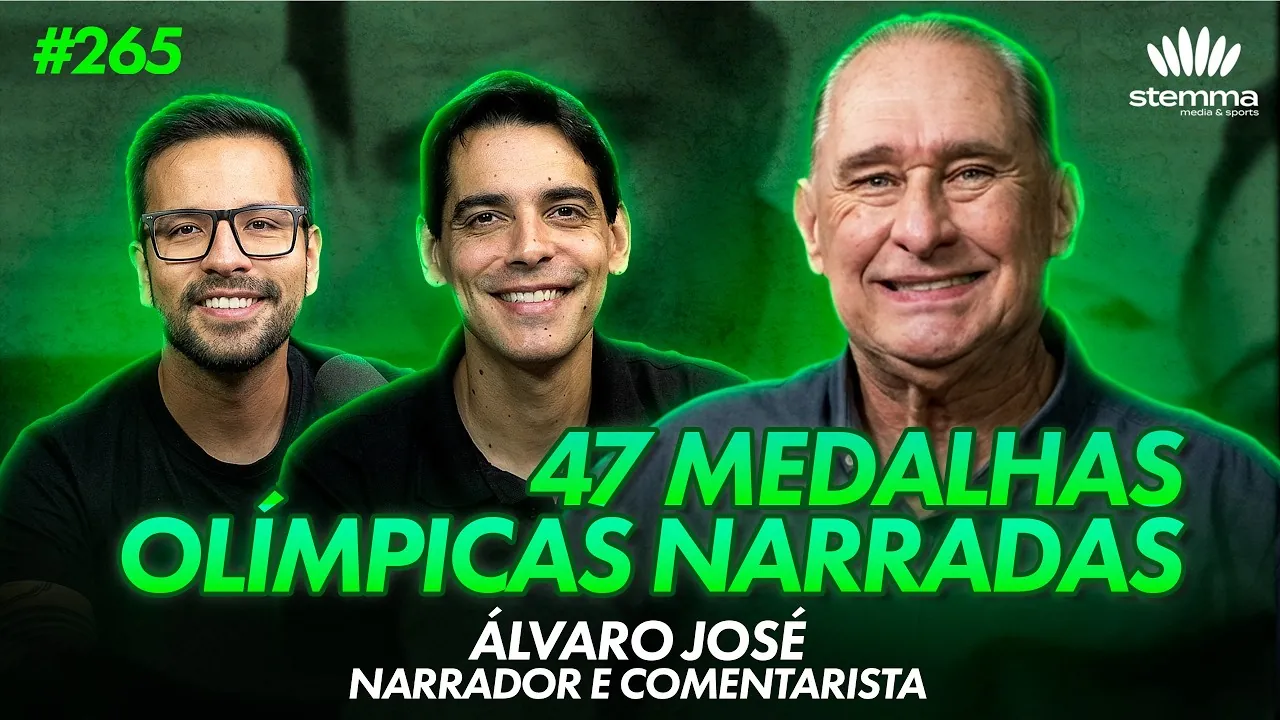
Inside a broadcast booth on Czechoslovak soil—sharing an international landline with colleague Jota Júnior just to call home—Álvaro faced an emotional confrontation from his daughter, Fernanda, who was only three years old at the time. Deeply attached to her father and unable to understand his extended absence, the toddler vented over the phone, calling him a "lousy dad" and demanding he come home right away. That heartfelt outburst left a lasting mark on the veteran broadcaster.
The marathon continued on to Paris for the FIVB Volleyball Men's World Championship, an event that marked the rise of Maurício and the national team debut of Carlão, alongside veteran starting setter William. There simply was no window to return to Brazil between back-to-back tournaments.
Understanding through a shared profession
As the years passed, the family's relationship with those absences took on a new perspective. After entering the media and television industry herself, Fernanda began experiencing the same demanding routine of work commitments and relentless travel, even hosting corporate events on cruises across northern Alaska—a destination her father never visited during decades of covering global sports.
Experiencing firsthand the pressures and sacrifices that the media industry demands from those on camera and behind the scenes, her understanding of what that 1980s period meant finally came full circle.
PUBLICIDADE (GAM) — 1250x250