
Three Steps to Structuring a Revenue Architecture
Juliana Rosso Frediano explains how executive sponsorship, technology, and streamlined processes unify company operations.
Implementing a revenue architecture requires integrating marketing, sales, and customer success into a single business flow. This shift relies on executive sponsorship, connected technology, and a thorough redesign of internal processes.
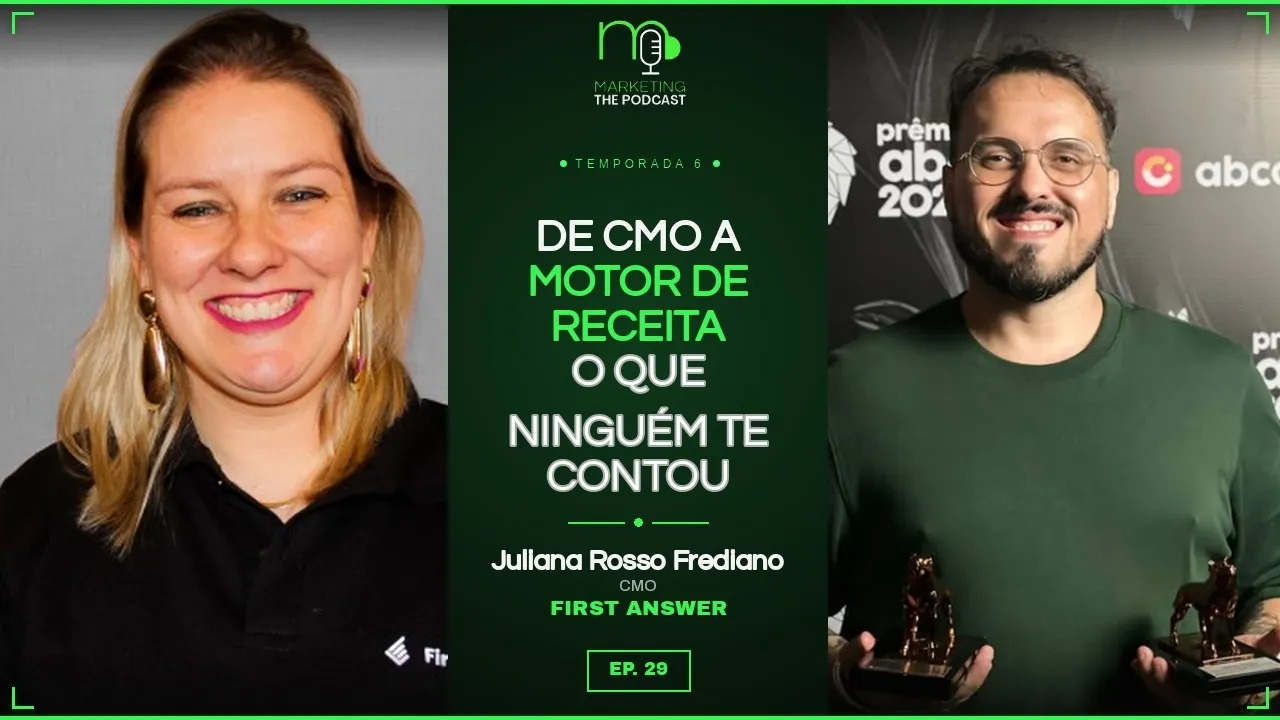
Juliana Rosso Frediano, CMO at First Answer, outlined the initial roadmap for companies seeking to build an integrated revenue operation during a conversation with Bruno Gimenes on Marketing - The Podcast. The full episode also explores topics such as measurement, positioning, and sales management.
In the video above, Frediano details the step-by-step approach to breaking down departmental silos and creating a sustainable demand generation engine.
C-level sponsorship and executive education
The first pillar of a successful revenue architecture doesn't start with tooling, but with executive alignment. According to Frediano, marketing leaders must act diplomatically to educate their peers on breaking down internal silos and approaching revenue generation as a unified engine. She notes: "I think the first thing that needs to be crystal clear is that they won't be able to build this alone. They need sponsorship, whether from their peers or from the CEO."
During this cultural shift, executive training helps overcome leadership inertia and prevents departmental friction. Frediano highlights the work of consulting firm Winning by Design in corporate training programs focused on revenue design, enabling leadership to grasp the core problem before crafting technical solutions.
Connected tech stack and process design
With leadership aligned, the next stage involves technological infrastructure and operational workflows. Systems must ensure end-to-end data visibility, enabling CRMs, inbound channels, and customer success platforms to communicate seamlessly, preventing data from becoming trapped in isolated spreadsheets.
Technology, however, must follow the maturity of internal processes. Automating disorganized workflows merely accelerates operational failures. As Frediano puts it: "And after technology comes process, because there's no point in trying to automate something that's broken. You'll just do the wrong thing faster."
Shared goals and horizontal culture
To sustain revenue operations over the long term, organizations must establish cadences and unify strategic objectives. Rather than evaluating marketing, sales, and CS on isolated, competing KPIs, metrics must reflect overarching business outcomes.
Frediano emphasizes: "So, what are the goals and recurring meetings teams can share to ensure everyone is pulling in the same direction?" For the First Answer executive, this governance relies on a horizontal corporate culture where cross-functional collaboration creates a predictable, scalable revenue engine.