 Business
Licensing and Tech Behind the Escape 60 Experience
Jeannette Galbinski explains how studio partnerships, smart room electronics, and co-creation keep the escape room brand relevant.
Jeannette Galbinski breaks down Escape 60's continuous innovation strategies for engaging players across generations. The operation blends licensed IP, electronic automation, and community co-creation to design new escape rooms. The business model relies on major studio partnerships, customer surveys, and influencer marketing.
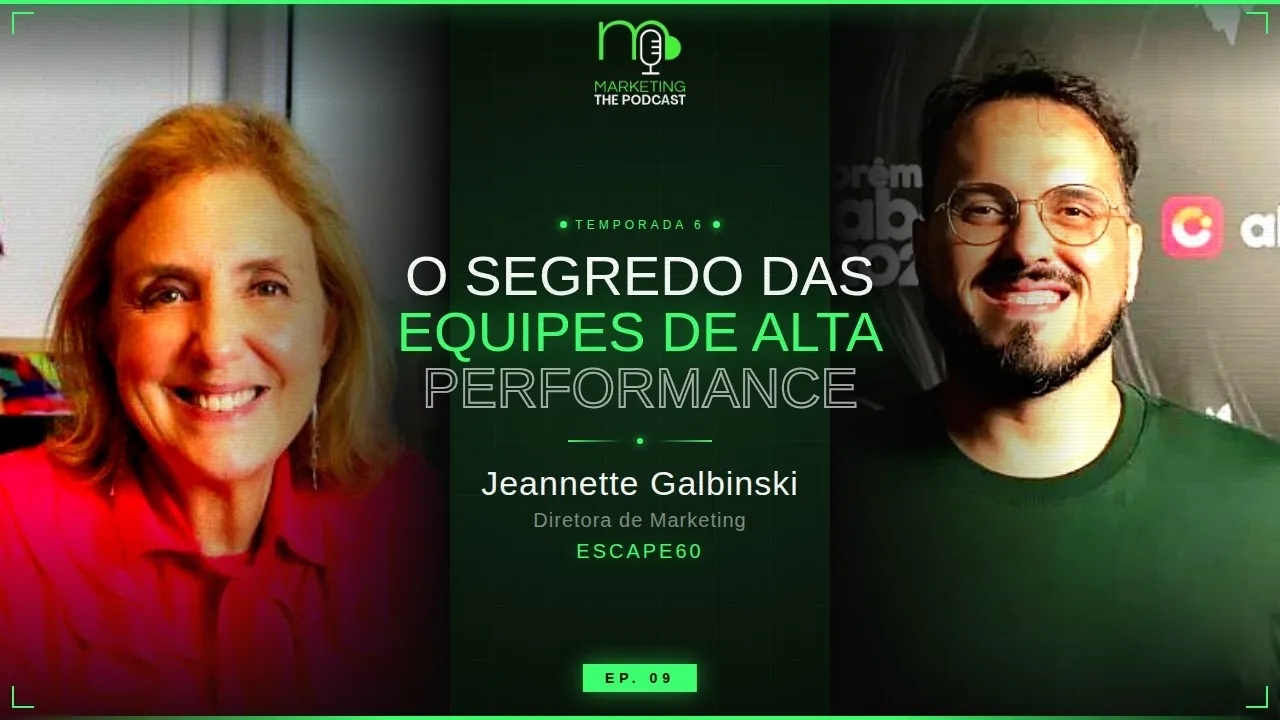
Jeannette Galbinski, Marketing Director at Escape 60, explained in an interview with Bruno Gimenes on Marketing - The Podcast how the company designs its rooms and keeps audiences engaged through constant technological and thematic reinvention. In a segment dedicated to innovation and licensing—which also touched on management and team dynamics—Galbinski emphasized that the attraction must continually innovate to draw new visitors and retain players who have already completed previous challenges. "Look, if we don't innovate, we die, right?" she pointed out.
In the video above, you can watch the full conversation and learn about the brand's creative and operational choices. Galbinski highlighted that one of the core pillars of this renewal is licensing well-established brands and iconic characters.
PUBLICIDADE (GAM) — 1250x250
Brand Licensing and Emotional Connection
Escape 60's licensing strategy aims to connect multiple generations through nostalgia and current pop culture hits. The company develops escape rooms in partnership with major studios and IP holders, featuring franchises such as Paramount, Chaves, and Turma da Mônica. According to Galbinski, this format appeals to both audiences following new releases and those with nostalgic ties to classic franchises: "It's a room for both adults and kids. So it's for children discovering Turma da Mônica now through series and movies, as well as for adults who have cherished memories of it."
Technological Evolution and Puzzle Engineering
Beyond licensing, the physical game mechanics have undergone technical overhauls. While early rooms relied heavily on mechanical padlocks, today's experiences integrate electronic automation, sensors, and hidden doors. To design these challenges, the company employs an in-house innovation team of engineers and gaming industry veterans, blending mobile and digital game mechanics into physical gameplay.
Preference Research and Community Co-Creation
Rotating rooms regularly is guided by customer satisfaction data and audience surveys. In recent market research, players showed a strong preference for mystery themes, followed by horror and adventure. To stay close to its most dedicated fans, Escape 60 organizes co-creation initiatives and community events: "We have a passionate community that loves Escape 60 and shares feedback with us. We listen and co-create. We hear what they think and what they want, and we invite them to internal company events to meet the creators and founders and try unique experiences," Galbinski detailed.
Multichannel Reach and Influencer Marketing
To engage diverse demographics, the company relies on segmented communication and digital presence. In terms of creator partnerships, Galbinski noted that the brand hosted "around 550 influencers" over the past year, spanning niches from gaming to kids' content and corporate audiences. Consumer marketing focuses on platforms like TikTok, Instagram, and Facebook, while email marketing remains the primary vehicle for corporate B2B outreach.
PUBLICIDADE (GAM) — 1250x250