
Idea Validation and Audience Testing in Startup Acceleration
Paulo Silveira explains how audience validation and tailored methodologies prevent unnecessary capital burn.
In a conversation on Marketing - The Podcast, Paulo Silveira discusses the challenges of turning ideas into viable business models. The founder of Bluefields Aceleradora shares practical case studies on pivoting and learning from failure in startup acceleration.
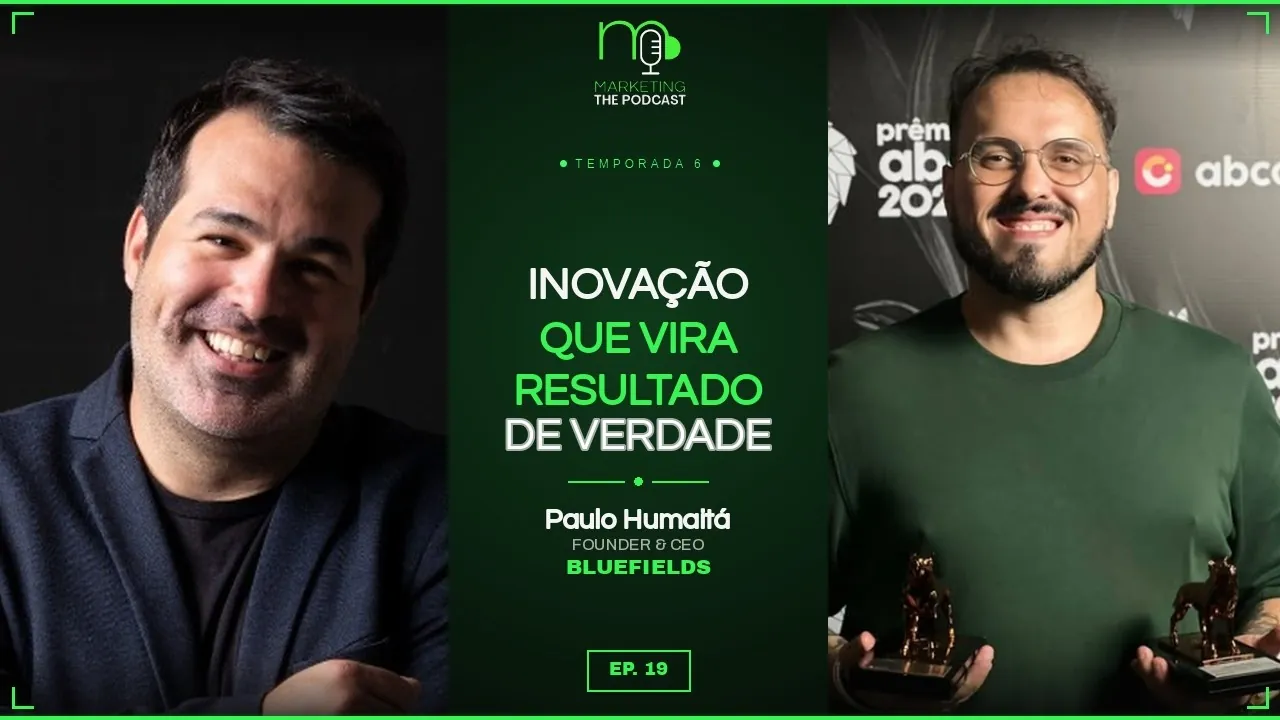
Paulo Silveira, founder of Bluefields Aceleradora, spoke with Bruno Gimenes on Marketing - The Podcast about validating business models, adapting methodologies across cultures, and learning from mistakes in the startup ecosystem.
The discussion is part of an episode dedicated to corporate innovation and partnerships between startups and large corporations. The video above offers the complete conversation and detailed accounts shared during the recording.
The Process of Turning Hypotheses into Viable Businesses
When addressing the hurdles early-stage entrepreneurs face, Silveira notes that good concepts often start out messy or poorly structured. In his view, the role of an accelerator is to provide practical pathways to test hypotheses before runway runs out.
"There are multiple good ideas hidden behind a bad one," Silveira says, emphasizing that refinement relies on following a consistent validation framework. He points to founders who try to build complex products without testing the commercial model first, which usually leads to wasted capital. In one example, a founder raised R$ 1.5 million from friends and burned through the entire amount due to a lack of structured guidance before entering acceleration and raising another R$ 1 million on solid footing.
Adapting Methodologies and the Culture of Failure in Brazil
Silveira explains that importing Silicon Valley models without adjustments caused early setbacks at Bluefields Aceleradora. Applying frameworks built for the American market without tailoring them yielded negative initial results: in a single year, 20 startups wound down operations.
"Americans plan for everything. Brazilians are the opposite—they are doers who jump right in, people of action who don't plan anything," Silveira explains. This realization prompted the accelerator to adjust its methodological pace to the local mindset, striking a balance between quick planning and execution.
This shift in perspective regarding failure was also reinforced internally by Paulo Lalli, a Bluefields advisor who worked at Alpargatas and Natura. Reviewing a list of lessons learned after stalled initiatives, Lalli challenged the perception of the results: "It's not a failure. If you learned all of that, it can't be a failure."
The Ciclos Case Study: Audience Pivoting and Acquisition
To illustrate the impact of rethinking target audiences, Silveira detailed the journey of fintech Ciclos, founded by an entrepreneur from São José do Rio Preto who moved to São Paulo with his family to join the in-person acceleration program.
The product was point-of-sale software designed to split payments, initially aimed at nonprofits and charitable organizations. After reaching out to a list of 300 potential clients and landing only one sale—to the founder's family church—the strategy pivoted toward barbershops, where managing individual commissions for freelance stylists solved an immediate operational pain point.
With the new target segment validated, the business gained commercial traction and caught the attention of Stone, which acquired the company two years after the acceleration cycle. The founder became a partner and partnerships executive at Stone, scaling the technology nationwide.