
Corporate Innovation Must Be Systemic, Says Paulo Silveira
Bluefields founder argues that new solutions must emerge from business units, driven by 90-day action plans.
Paulo Silveira explains why innovation shouldn't remain isolated within a single department at large enterprises. The Bluefields founder outlines practical frameworks, AI adoption, and quick-win strategies to drive measurable business results.
In a conversation with Bruno Gimenes on Marketing - The Podcast, Paulo Silveira, founder of Bluefields Aceleradora, argued that innovation in large corporations must stop being treated as an isolated department and instead become a distributed capability across all business units. The full episode also covers other acceleration and ecosystem topics.
According to Silveira, corporations harbor underutilized potential within their teams. "Large companies today have an invisible asset that doesn't show up on the P&L, on the income statement, or anywhere else: their people's talent," he stated. He noted that many professionals stick strictly to their formal job descriptions without realizing they have the entrepreneurial capacity to lead internal improvement initiatives.
Decentralizing the Innovation Department
In Silveira's view, one of the biggest bottlenecks in today's market is creating innovation departments or committees that constantly have to persuade business leaders to participate in side projects, treating innovation as an added burden. He believes developing new solutions should be part of every executive's routine goals.
"Innovation isn't the mandate of the innovation department; it's the mandate of the sales executive, the marketing executive, the customer experience executive, and the HR executive," Silveira explained, advocating that each department focus on solving its own operational bottlenecks.
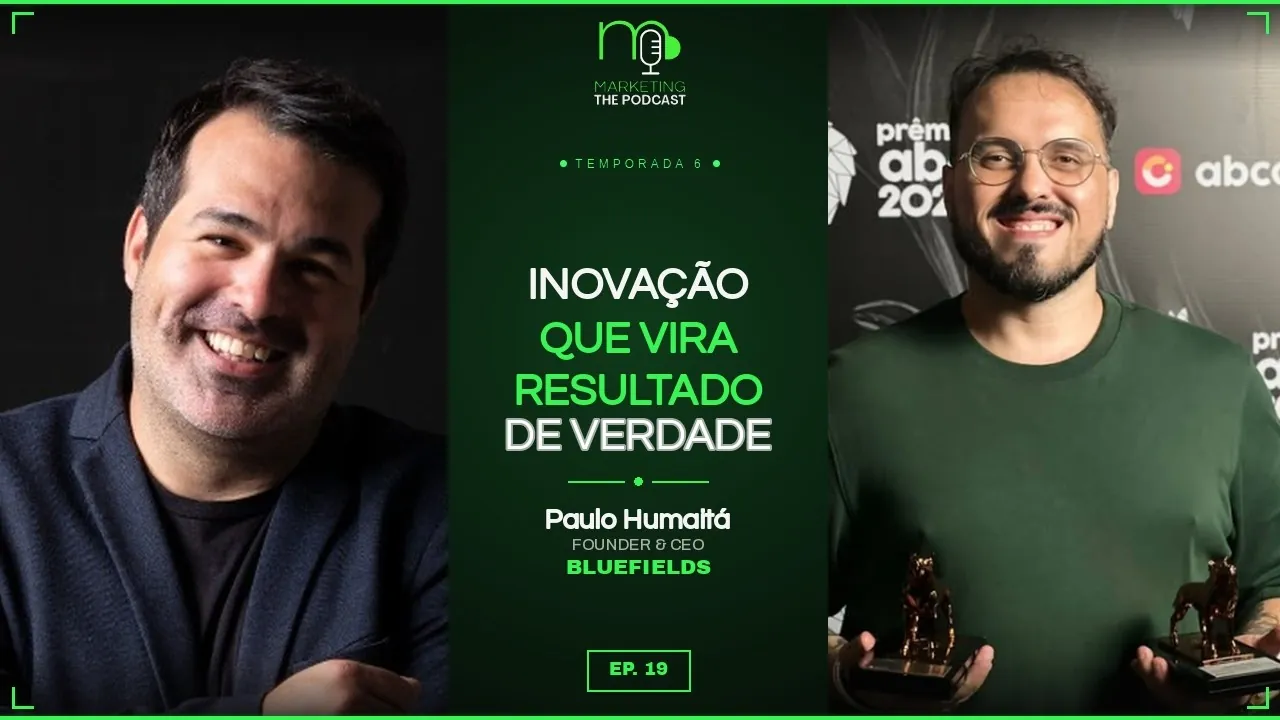
In the video above, Silveira details how this approach unfolds in day-to-day corporate operations and how to align operational teams with emerging technologies.
Practical Applications in HR and Marketing
Highlighting systemic innovation in practice, Silveira cited using technology and AI agents to optimize internal processes, such as HR recruitment and selection workflows designed to boost productivity by 30%.
In marketing and customer experience, Silveira pointed to hospitality-inspired methodologies to transform the consumer journey. The goal of these initiatives is to directly impact commercial business metrics, such as reducing CAC while increasing LTV and NPS.
Diagnostic and Quick-Wins Strategy
When asked by Bruno how to start this process in practice, Silveira recommended kicking off with a structured assessment rather than relying solely on theoretical training or ecosystem visits. From that initial mapping, the goal is to build 90-day plans focused on quick wins to generate rapid momentum.
According to Silveira, market maturity will not be measured by passive tool consumption, but by the tangible impact created. "Soon, whether you use AI or not won't matter. It will become a commodity; everyone will use it. The real question is: What did you build, where did you apply it, and what results did you deliver?" he pointed out.