
 Sports
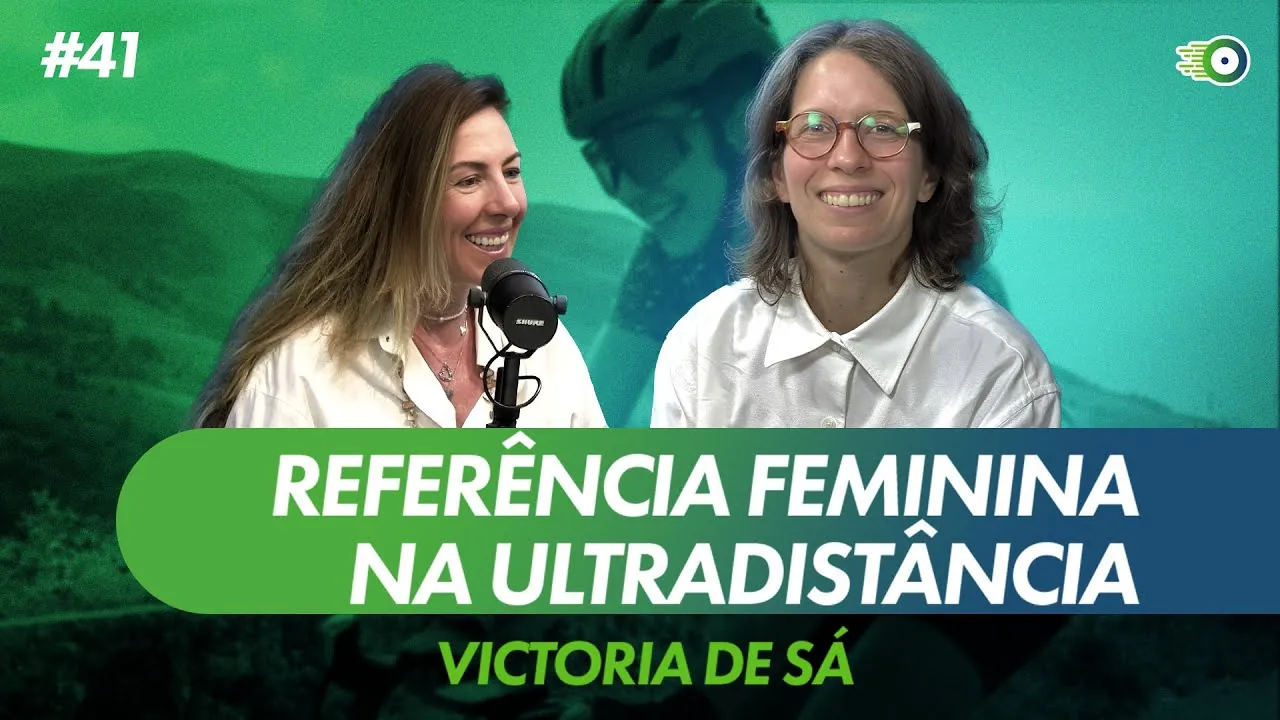
Victoria de Sá on Ultra-Distance Cycling Secrets
The self-supported cycling pioneer details Andean trials, a BikingMan overall podium, and the ultra mindset.
Victoria de Sá shares behind-the-scenes insights from extreme self-supported cycling races around the world. The athlete analyzes everything from gear weight logistics to safety challenges faced by female cyclists.
Riding thousands of kilometers completely self-supported, without a support vehicle, choosing where to sleep, eat, and ride into the dead of night. For Victoria de Sá, a leading female figure in the sport in Brazil, ultra-distance cycling is not about pointless suffering, but about a rare sense of freedom: focusing solely on pedaling, eating, and resting while the clock keeps ticking.
Victoria's journey on two wheels began far from epic endurance challenges. From a childhood in small towns to commuting across São Paulo and stumbling into longer rides by chance, she naturally gravitated away from the intense dynamics of fast pelotons. She found her niche in brevets and long-distance events, where strategy and consistency matter far more than raw explosive power.
PUBLICIDADE (GAM) — 1250x250
From the Mountains of Peru to the BikingMan Overall Podium
Among Victoria's most defining experiences is the Inca Divide in Peru: 1,650 km with over 30,000 meters of cumulative elevation gain, largely above 3,000 meters of altitude in the Cordillera Blanca. Battling severe altitude sickness, snowstorms in the Antamina mining region, and descents battered by violent gusts of wind, she was the only woman to cross the finish line in that edition.
On home soil, Victoria achieved an impressive third place overall at BikingMan Brazil, held under relentless rain in the Serra da Mantiqueira. In an event plagued by numerous dropouts due to hypothermia, the cyclist maintained steady pacing and delivered the necessary power output in the final kilometers to secure an overall podium finish across both men and women.
The Math of Self-Sufficiency and Everesting
In unsupported races, every logistical detail dictates success. Victoria explains that preparation involves meticulously weighing gear and clothing, scouting resupply points, and plotting routes that balance climbing and distance. Managing sleep and basic hygiene out on the road becomes just as critical as physical conditioning.
That immense volume of saddle time has also been tested in Everesting challenges. Victoria has completed the feat four times—including the Serra Velha climb in Campos do Jordão, a virtual edition, and Pico do Jaraguá, where she completed 29 consecutive ascents over 16 and a half hours with surgical precision.
Female Representation, Safety, and Community
Despite women's strong performance in ultra-endurance racing—where physiological differences diminish in favor of energy efficiency and mental resilience—Victoria highlights the safety disparities female athletes face on Brazilian roads. The constant concern over road violence demands heightened precautions and underscores the value of women-centric cycling events.
Away from extreme competitions, her focus turns to community building. As a co-founder of Fuga CC in São Paulo, Victoria champions cycling as a space for connection and belonging. For those looking to take their first pedal strokes or aiming for longer distances, her advice is clear: demystify the magnitude of the challenge, break the journey into bite-sized milestones, and respect the time every progression takes.
PUBLICIDADE (GAM) — 1250x250




