Sports
Viça Saraiva on Managing Pain in Elite Triathlon at 48
With over 500 starts, the triathlete reflects on elite competition, race strategy, and resilience through grief.
With more than 500 races under his belt, Viça Saraiva shares his perspective on competing in elite triathlon at age 48. The veteran athlete breaks down his strategic choices on the national circuit and explains how radical acceptance helped him navigate profound personal loss and severe injuries.
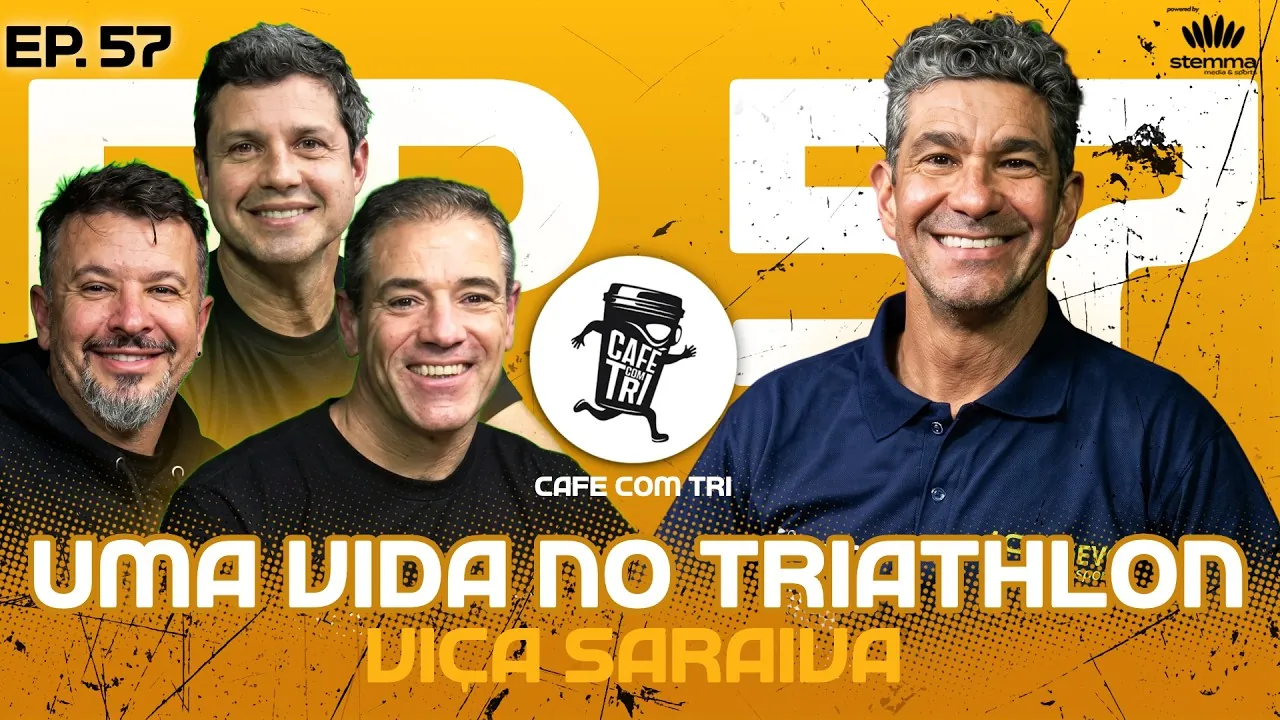
Staying competitive at the elite level of triathlon over the decades requires far more than physical conditioning: it demands a profound shift in how an athlete views victory, defeat, and the body itself. Speaking on the Café com Tri podcast, Viça Saraiva opened up about lining up in the professional category at age 48, going head-to-head against younger competitors after more than 500 races throughout his career.
Carrying the experience of someone who has tasted both the top of the podium and hundreds of defeats, Saraiva approaches the sport clear-eyed. For the veteran triathlete, athletic longevity comes with knowing how to pick battles where meaningful results are still within reach—delivering both personal fulfillment and value to sponsors, such as his victory at the Salvador leg of the Brazilian Long Distance Circuit.
PUBLICIDADE (GAM) — 1250x250
Circuit Strategy and Race Intelligence
By winning the national circuit opener in Salvador at 48, Saraiva positioned himself as a contender for a career-first national long-distance title. The championship rules require athletes to score in two of the calendar's six stages, enabling him to craft a surgical strategy to score points where course profiles and recovery windows played to his strengths.
This pragmatic approach informs his decisions both on and off the course. Saraiva sums up his competitive mindset simply: the odds of winning are always 50%—you either win, or you don't. This disarming perspective removes the burden of excessive pressure, channeling all his energy into what remains within his control on race day.
Pain Management and Grief Off the Course
Beyond athletic demands, the season severely tested the triathlete's emotional resilience. Saraiva faced a string of painful losses of central figures in his life: the death of his mother early in the year, the passing in June of Zé do Pedal—a triathlon pioneer in Brasília and the subject of a documentary Saraiva directed—and the sudden death of his friend Raquel in Parque da Cidade.
To process these emotional blows, the triathlete embraced what he terms "radical acceptance." Rather than running from sorrow, he chose to feel the pain fully, allowing him to return his focus to the present moment and maintain gratitude for life.
Overcoming Injuries and the Discipline of Rest
On the physical front, the year also presented formidable hurdles. Saraiva was sidelined for four weeks with severe influenza ahead of the race in Brasília, followed by an acute spinal flare-up that limited his training as he prepared for Florianópolis. Guided by coach Alaque, the athlete had to learn when to cut planned sessions short to avoid worsening injuries.
Grounded in his spirituality and an understanding of his body's limits, Saraiva emphasizes that accepting times when one cannot start or perform as hoped is a hallmark of athletic maturity. By turning pain into an ongoing learning experience, the veteran continues to find purpose and drive both in sport and in life.
PUBLICIDADE (GAM) — 1250x250