Sports
Sleep and Medical Cannabis in Sports with Dr. Roberto Beck
The physician explains how sleep recovery and cannabinoids support athlete immunity and performance.
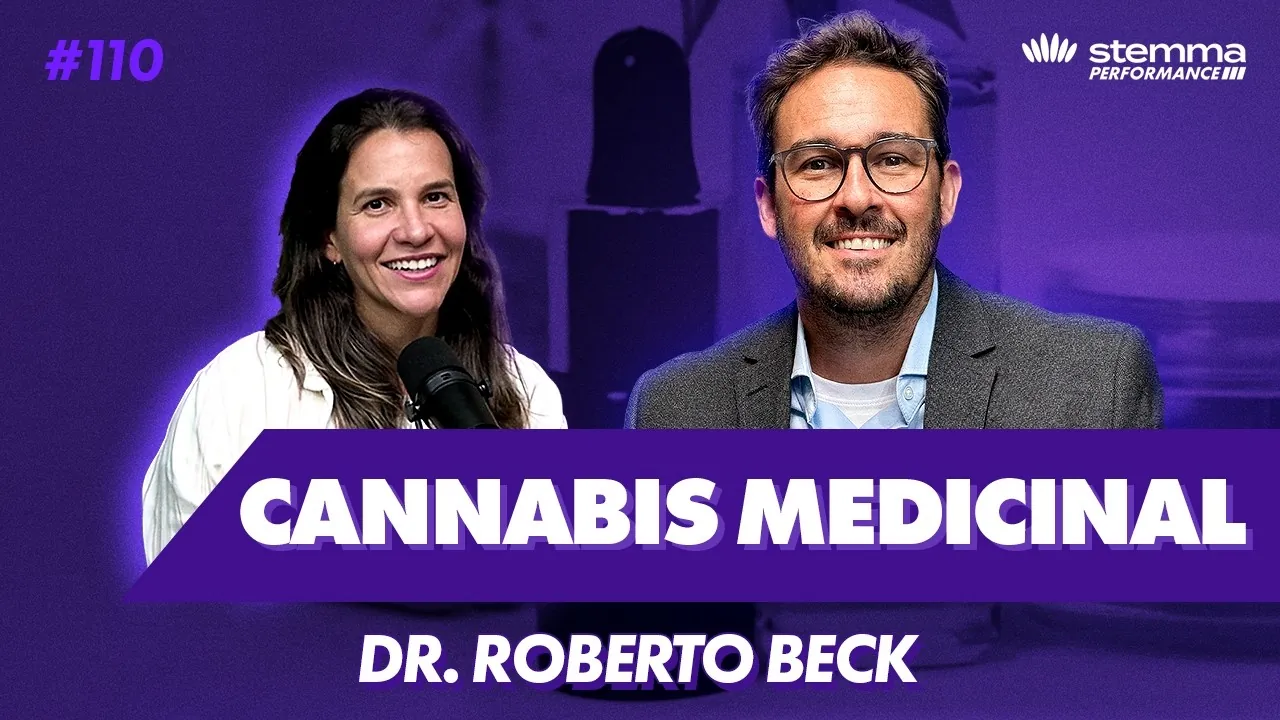
On Stemma Performance, triathlete Bruna Mahn hosts Dr. Roberto Beck to discuss sleep physiology in endurance athletes. The conversation covers wearable tracking metrics, respiratory infection prevention, and the therapeutic role of medical cannabis.
Sleep is a fundamental pillar of immunity and physiological adaptation, standing alongside balanced nutrition and training load management. On Stemma Performance, triathlete Bruna Mahn welcomed otolaryngologist Dr. Roberto Beck from Care Club to examine the impacts of sleep deprivation on athletic performance and the emerging therapeutic approaches supporting recovery, including medical cannabis.
According to Dr. Roberto Beck, the earliest warning signs of poor sleep manifest as impaired focus, memory lapses, and decreased neuromuscular performance during intervals or long workouts. Over the medium and long term, chronic sleep neglect weakens the immune system, leaving athletes vulnerable to recurrent infections such as colds and sinusitis.
PUBLICIDADE (GAM) — 1250x250
Quantity, quality, and the role of wearables
Medical literature suggests an optimal window of 7 to 9 hours of sleep per night for most adults, but quality remains the deciding factor. Getting 6 hours of continuous deep sleep offers far greater recovery than spending 9 hours in bed after alcohol consumption, which disrupts neurological sleep cycles and increases nighttime awakenings. When daily schedules restrict overnight rest, short 30-to-40-minute power naps serve as a proven recovery tool.
Wearable devices assist in daily monitoring by cross-referencing metrics such as heart rate variability (HRV), body temperature, movement, and total sleep duration. The specialist emphasizes that wearable data should serve as a helpful baseline and discussion point with coaches for training adjustments, rather than a trigger for anxiety. A definitive diagnosis for sleep-disordered breathing or anatomical conditions still requires in-lab polysomnography.
Immunity and preventing respiratory infections
In endurance sports, the end of intense training blocks—such as marathon or Ironman preparation—often coincides with an open window of immune vulnerability. It is common for athletes to experience acute sinusitis or upper respiratory tract infections immediately after race day due to cumulative systemic fatigue built up over months.
Modern sports medicine prioritizes proactive prevention over reactive treatment. Optimizing breathing mechanics, correcting structural issues like a deviated nasal septum, and modulating training loads before illness strikes prevent sudden training interruptions and antibiotic treatments just weeks before a target event.
Medical cannabis: Cannabinoids and anti-doping rules
Beyond traditional sleep hygiene habits—such as reducing screen time and eating lighter evening meals—medicine has turned to phytocannabinoids to address treatment-resistant insomnia and chronic pain. The cannabis plant contains more than 180 active compounds, including CBD (cannabidiol), CBN (cannabinol, a metabolite known for sedative properties), and THC (tetrahydrocannabinol).
In competitive sports, anti-doping regulations demand strict adherence. The World Anti-Doping Agency (WADA) permits only isolated CBD, while THC remains prohibited in competition. To ensure legal compliance and avoid cross-contamination, athletes must verify that products provide a Certificate of Analysis (COA) confirming zero THC content and comply with regulatory import approvals.
The endocannabinoid system and individual dosage
The human body features an endocannabinoid system responsible for regulating various biological functions through endogenous compounds like 2-AG and anandamide. Phytocannabinoids temporarily supplement these CB1 and CB2 receptors, enabling structured tapering protocols once symptoms stabilize.
Responses to cannabinoids vary significantly from person to person. Dosages are carefully titrated upward under close medical supervision, starting from minimal amounts until the desired therapeutic outcome is achieved. While genetic tests can evaluate cannabinoid metabolism and tolerance, high costs still limit their routine use in clinical practice.
Muscle recovery and the role of adaptive pain
CBD's anti-inflammatory mechanism differs from standard nonsteroidal anti-inflammatory drugs (NSAIDs): it aids in metabolic clearance and reduces inflammatory cytokines without completely suppressing the muscle stress necessary for training adaptations. Controlled delayed-onset muscle soreness remains a natural component of physical adaptation and an essential signal against dangerous overtraining.
Navigating this balance requires an integrated team approach involving physicians, sports nutritionists, physical therapists, and coaches. This collaboration ensures that sleep routines, targeted supplementation, and training regimens align with the athlete's long-term health and performance goals.
PUBLICIDADE (GAM) — 1250x250