 Sports
Records, Kipchoge in Brazil, and the New Running Market
A live edition of Radar Stemma breaks down historic records, the World Marathon Majors phenomenon, and shifting race demographics.
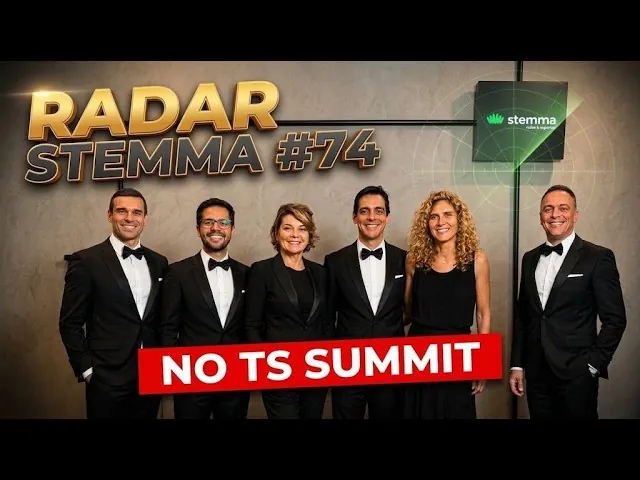
Radar Stemma explored the latest developments across the road running industry during the TS Summit. From shattered global and national records to Eliud Kipchoge's appearance in Brazil, explore key insights on elite athletes, major events, and market trends.
How Brands and Race Organizers Build Sports Event Partnerships
The relationship between brands and road running organizers has entered an era of strategic sophistication. Simple logo placement on start arches and race shirts has given way to experiential activations, community engagement, and loyalty initiatives, including the recurring participation models adopted by major events. When deciding between launching a proprietary race or sponsoring established circuits, business goals and budgets dictate the strategy, while independent organizers must craft authentic narratives and robust proposals to land on the radar of major corporate sponsors.
PUBLICIDADE (GAM) — 1250x250
A Wave of World Records and New Benchmarks on Brazilian Soil
The elite performance landscape has recently reached historic milestones in the marathon. In London, Sabastian Sawe claimed victory in 1:59:30, followed closely by Quelye Gelcha in 1:59:41 — marking the first sub-two-hour finishes in an eligible World Athletics record-standard race and eclipsing the previous mark set by Kelvin Kiptum. Gelcha also established a new half marathon world record in Buenos Aires at 56:51. In the women's division, Tigist Assefa also delivered a stellar win in the British capital, fueling momentum behind the latest super shoe releases.
Times dropped dramatically on Brazilian soil as well. Daniel Sang won the Porto Alegre Marathon in 2:10:21, while Moroccan runner Zinedine Oury clocked 2:09:00 at the New Balance 42k. Among Brazilian athletes, Fábio de Jesus Correa emerged as the standout performer, winning the Rio Half Marathon in 1:01:53 and making his 42 km debut in Porto Alegre with a time of 2:10:46 — the fastest marathon ever run by a Brazilian athlete on home soil. In the women's field, Gadise Mulu won the Rio Marathon in 2:25:47, while Núbia de Oliveira ran 1:11:13 at the Buenos Aires Half Marathon.
Majors Fever and the Expansion of the Global Calendar
Demand for entries into the World Marathon Majors circuit has reached all-time highs. For its 2026 edition, the New York City Marathon drew more than 240,000 lottery applications, while London received 1,338,544 applicants for 2027, prompting organizers to introduce a two-day format to accommodate 100,000 runners. The addition of candidate races such as Sydney — which saw its contingent of Brazilian finishers jump from six to more than four hundred — has fueled discussions about whether other premier tourist destinations, like Rio de Janeiro, are ready for the global stage.
Behind the Scenes in Boston: Sign Controversy and Sportsmanship
The historic Boston Marathon sparked conversation both on and off the course. An unofficial pop-up storefront display featuring a sign claiming walkers were merely "tolerated" drew intense backlash from the running community and was promptly removed, giving rival brands an opening to champion inclusive messaging. In contrast, the final stretch of the race showcased genuine camaraderie: Brazilian runner Robson Oliveira and Ireland's Aaron Beggs assisted India's Ajay Hari Dasa through severe cramping, crossing the finish line together in 2:44:46.
The Eliud Kipchoge Effect at the Porto Alegre Marathon
Eliud Kipchoge's visit to Brazil turned the New Balance 42k Porto Alegre into a milestone for both athletic performance and sports business. The two-time Olympic champion completed the race in 2:18:42, finishing 12th overall after a packed schedule of training sessions, keynote talks, and public appearances. The commercial impact was immediate: official merchandise sales at the race Expo surged 236% compared to the prior year. For 2027, race organizers are already planning to expand the event across two full days of competition.
The Evolving Profile of Brazilian Runners According to Ticket Sports
Industry data presented by Ticket Sports highlights meaningful demographic shifts among Brazilian runners. An analysis of 2.9 million race registrations across more than 3,500 events revealed a female majority (52.4%), a drop in average participant age to 38, and a rising share of Gen Z runners, who now represent 18.9% of the field. The race kit remains a decisive factor for 83.7% of participants. Meanwhile, research into unregistered runners ("bandits") showed that 36% admitted to running without an official bib due to cost barriers, even though 93% of those same participants had paid for entries in other events.
Entertainment on the Rise: From 'Show-Runs' to Themed Races
The convergence of running and live entertainment is proving to be an effective vehicle for attracting new audiences. Concepts such as the "show-run" — pairing running courses with post-race concerts by popular musical headliners like Bell Marques and Thiaguinho — are expanding the addressable market well beyond traditional runners. This diversification mirrors global trends in themed running events, from ultra-short fun runs to gamified challenges, cementing the social experience as a central pillar of the sport.
PUBLICIDADE (GAM) — 1250x250