 Sports
Performance Without Obsession: Sport Must Fit Into Life
Maria Montoro discusses endurance balance, blending training with social life, and longevity in triathlon.
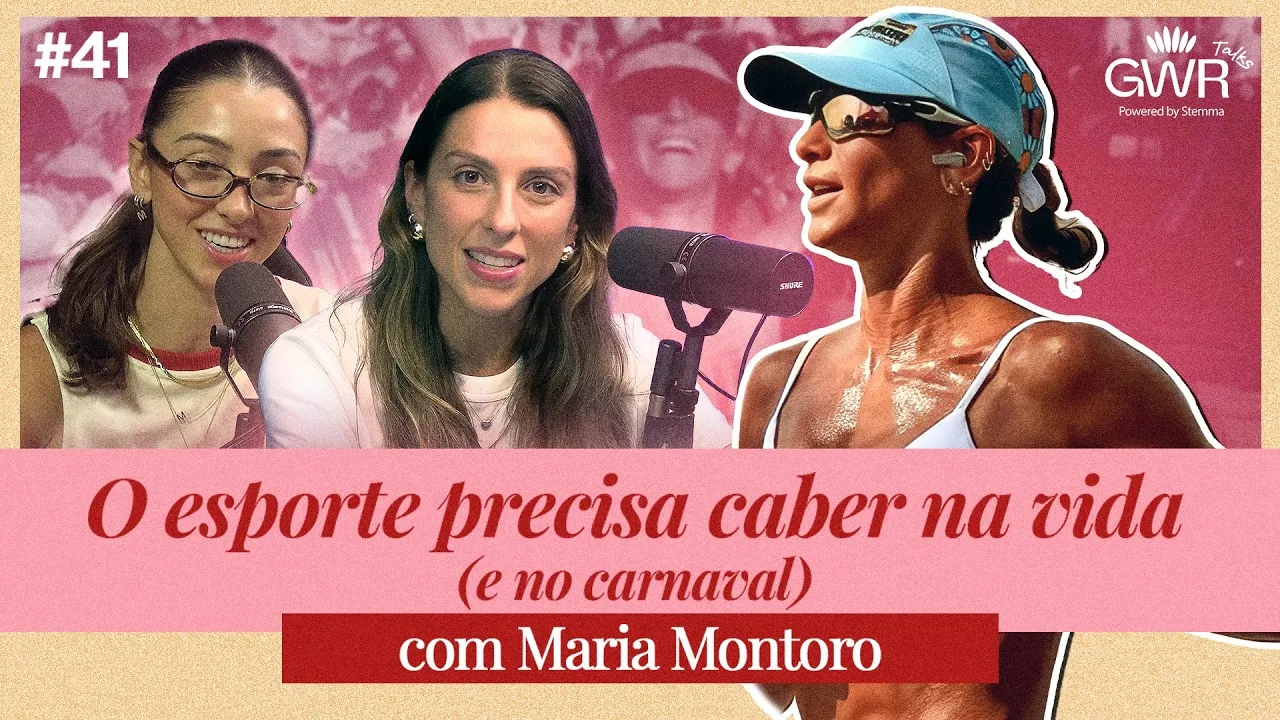
Can you train with focus while maintaining an active social life? Triathlete Maria Montoro shares her endurance journey, from a steel commuter bike to the 70.3 World Championship, showing why consistency does not require extreme rigidity.
Balancing a structured training schedule, performance goals, and personal life is one of the greatest challenges for amateur endurance athletes. In a sports culture that often glorifies blind sacrifice and social isolation, triathlete and content creator Maria Montoro proposes a different approach: sports must fit into your life, not the other way around.
Having qualified for the Ironman 70.3 World Championship and navigated years between road races and music festivals, Maria emphasizes that the secret to long-term consistency lies in flexibility and clear priorities for each phase of the year.
PUBLICIDADE (GAM) — 1250x250
From a Skate Helmet to High-Performance Triathlon
Maria's relationship with endurance sports began far away from cutting-edge gear or meticulous spreadsheets. Her first steps in running were casual, without pace tracking or advanced sports nutrition. When she decided to transition to triathlon during the pandemic, her earliest workouts were completed on a heavy steel urban commuter bike with downtube shifters and a skate helmet on the Estrada Velha de Santos.
Her technical progression was deliberate. Instead of skipping steps to chase long-distance events in her first year, she spent over a season racing sprint and Olympic distances to master transition fundamentals and overcome childhood fears around open-water swimming. Only after establishing a solid foundation did she step up to the half-Ironman (70.3) distance, proving that respecting the body's timeline leads to far more sustainable results.
Hormonal Health and Female Physiology in Endurance
Her athletic journey also required specialized medical support to manage female physiological variables. In the early stages of heavy training, using a copper IUD caused heavy menstrual bleeding and severe cramping, eventually leading to anemia and critically depleted ferritin stores.
Working alongside sports medicine professionals, Maria was able to restore her hormonal balance and iron reserves—critical factors for oxygen delivery and muscular recovery. For Maria, understanding these parameters and tailoring contraception and supplementation strategies is an essential aspect of self-awareness for any female athlete striving to progress.
Structure, Social Life, and the Myth of the Perfect Routine
Transitioning from a career in major event production to high-volume endurance training proved that athletic discipline should create freedom, not confinement. She believes that peak training blocks—such as specific pre-race cycles—call for sharper focus and reduced alcohol intake, but that does not mean eliminating leisure, travel, or celebrations like Carnival over the course of a full season.
During the year she punched her world championship ticket at 70.3 Panama, her routine combined demanding workouts at the farm with festive days at the Sambadrome, keeping performance goals aligned with real life without guilt. Success comes down to calendar management: knowing which weeks demand complete focus and when it is healthy to ease off helps prevent burnout and keeps training enjoyable for years to come.
PUBLICIDADE (GAM) — 1250x250