 Sports
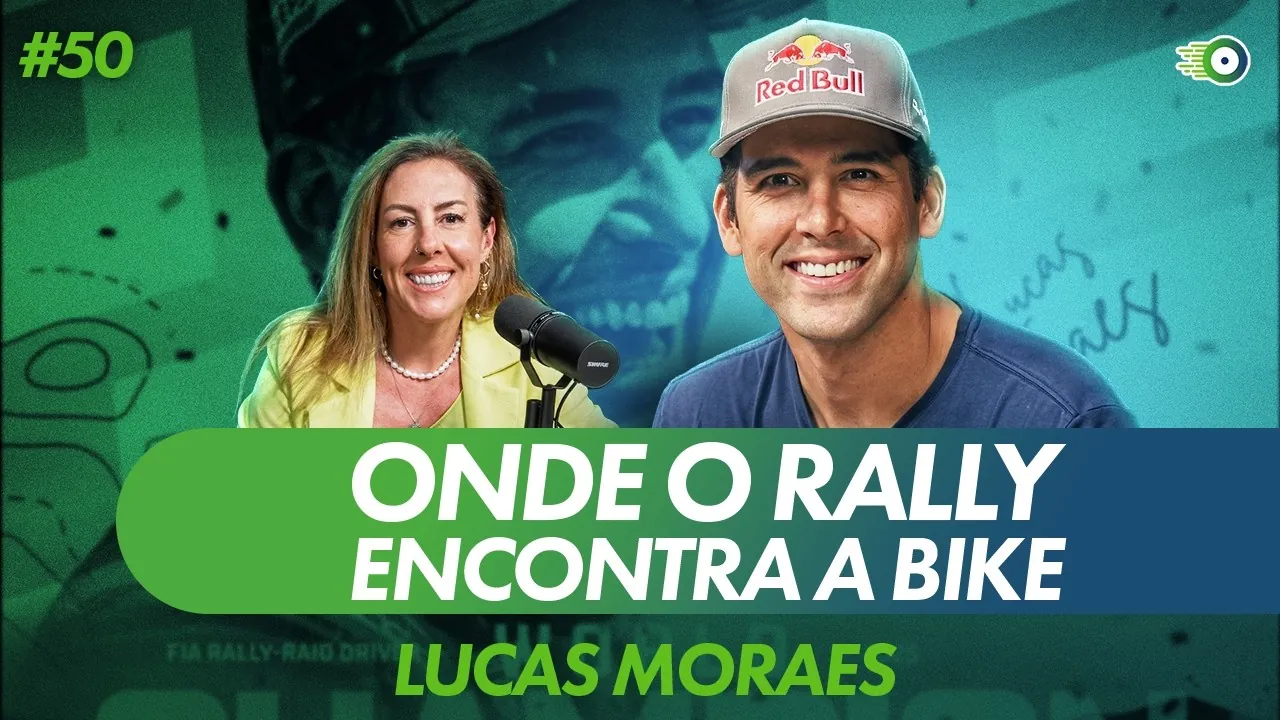
Lucas Moraes: How Cycling Shapes the Rally World Champion
Brazilian W2RC driver and Dakar stage winner reveals how road cycling built his physical endurance and mental grit.
As the first Brazilian World Rally-Raid champion and Dakar car stage winner, Lucas Moraes shares his training routine on two wheels. The driver explains how power-meter workouts and cycling consistency sustain his performance at 105 mph in the desert.
In elite off-road motorsport, people often picture high-powered machines conquering dunes and rugged trails at breakneck speeds. Yet the human engine behind the wheel faces physical and mental demands that mirror the toughest endurance sports on earth. As the first Brazilian World Rally-Raid Championship (W2RC) champion and the country's first driver to win stages in the Dakar Rally's premier car category, Lucas Moraes found road cycling to be an essential tool in pushing his athletic limits.
PUBLICIDADE (GAM) — 1250x250
The Transition from Bikes to Cars and Rediscovering Cycling
Lucas's motorsport journey started early, racing motocross from the age of four. A severe hip injury at age 20—similar to the one that cut tennis star Gustavo Kuerten's career short—required a prosthesis and forced him to retire from motorized two-wheelers. Moving to car racing was the natural next step, but his need for low-impact cardiovascular conditioning brought the bicycle back into his routine, ramping up significantly from 2020 onward.
Watching Tadej Pogačar's historic turnaround against Primož Roglič in the final time trial of the 2020 Tour de France ignited Lucas's passion for Grand Tours and structured training. Free from the joint impact of running, cycling became the foundation of his aerobic fitness, enabling long training rides on São Paulo's bike lanes and across the state's countryside.
Prolonged Focus and Desert Telemetry
A Dakar Rally stage averages about four and a half hours against the clock, covering between 370 and 435 miles daily over unpredictable terrain with speeds capped by regulations at 105 mph (170 km/h). Lucas compares the physical toll to the dynamics of a cycling Grand Tour: individual starts every three minutes akin to a time trial, disciplined carb-gel nutrition through speed-controlled transit zones, and constant hydration via a hose wired into his helmet.
Just as in modern cycling—where wattage analysis dictates cadence and exertion—contemporary rally racing relies heavily on data. At the end of every special stage, vehicle telemetry for his Dacia/Renault factory team logs hundreds of throttle, brake, and gearshift variables, cross-referencing driving performance against the physical stamina measured during his cycling workouts.
In-Cabin Chemistry and Ties to the Pro Peloton
Cockpit communication is strictly split 50-50 between driver and co-driver. In 2024, Lucas secured his first Dakar stage victory by a razor-thin margin of just 18 seconds after 250 miles of blind racing against the clock. That synergy demands the same ice-cold trust a field sprinter places in their leadout rider heading into a massive bunch finish.
The close ties between the two sports have also sparked notable connections behind the scenes. ASO, the organizer of the Tour de France, is the same governing body behind the Dakar Rally. Lucas stays in touch with Pogačar's official photographer, Alen, and has swapped insights on nutrition and conditioning with British sprint legend Mark Cavendish, who followed the Dakar up close in Saudi Arabia.
The Power of Consistency and Chasing Dakar Glory
Beyond daily training rides, Lucas tested his amateur cycling limits by entering the Gran Fondo Giro in Campos do Jordão, tackling the punishing climbs of Paiol and Campista. For the driver, the core takeaway from cycling is the principle of compounding gains: the ability to hold steady pace and tap deep energy reserves even when the body feels flat.
With titles in the Rally dos Sertões, the World Rally-Raid Championship, and Dakar stage wins under his belt, Lucas remains laser-focused on claiming the overall crown at the world's premier off-road race. In a sport known for athletic longevity—where icons like Carlos Sainz Sr. still triumph in their sixties—the conditioning forged on two wheels remains the cornerstone of his career.
PUBLICIDADE (GAM) — 1250x250