 Sports
Ironman Nutrition: Essential Strategies with Luciana Purgailis
Discover how personalized nutrition is crucial for Ironman athletes, from preparation to the finish line.
Nutritionist Luciana Purgailis shares crucial insights on nutritional preparation for the Nubank Ultravioleta Ironman Brazil. Understand the importance of individualized plans, electrolyte and hydration management, and how an athlete's 'feeling' aligns with strategy. Prepare to optimize your performance.
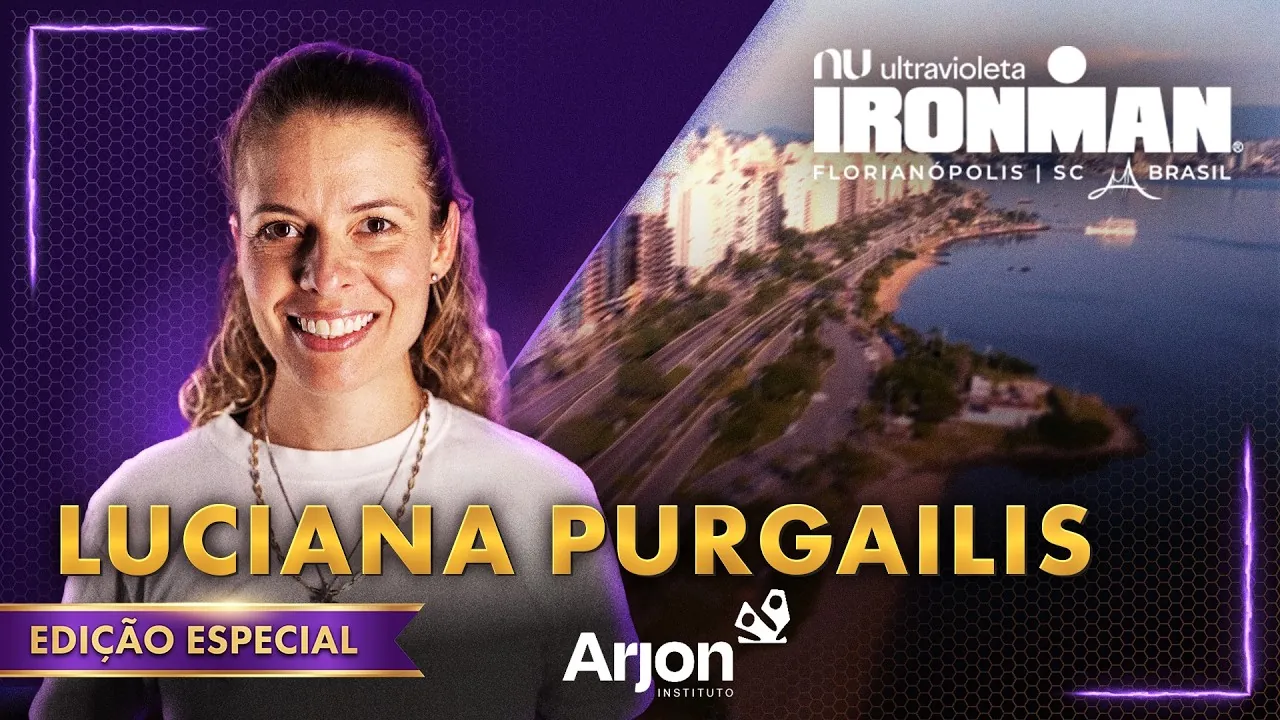
During the Nubank Ultravioleta Ironman Brazil coverage, Stemma Sports welcomed nutritionist Luciana Purgailis, accompanied by Fabio Bessa and Thiago Kawamura. The discussion highlighted the fundamental importance of nutrition for Ironman athletes, covering everything from detailed planning to managing food and hydration during the race.
PUBLICIDADE (GAM) — 1250x250
The Science Behind Ironman Performance
Luciana Purgailis revealed that nutritional preparation for Ironman is a meticulous and highly personalized process. She developed approximately 20 race plans, each 8 to 10 pages long, for her professional and amateur athletes. The strategy considers factors such as race dynamics, humidity, and temperature, with constant updates on weather forecasts.
The goal is to provide full support for a strong and consistent bike segment, followed by a marathon at the planned pace. This includes the adequate intake of energy substrate, caffeine at strategic moments, sodium, and electrolytes, as well as the precise calculation of water intake. For athletes, nutrition is the fuel that allows them to perform at their best on such a challenging day.
Balancing Plan and Intuition During the Race
Although the plan is rigorous and pre-tested—ideally the week before the race—Luciana emphasizes that there is room for the athlete's "feeling" or intuition, especially for first-timers. She encourages the use of Special Needs, extra bike bottles, and strategic supplements during the run, serving as a "little hug" of security. This provides mental comfort, knowing there's support if a gel doesn't "go down" or an unforeseen issue arises. The nutritionist advises not to panic and to listen to the body's signals, adapting consumption as needed.
Comfort Foods and Curiosities
The discussion also covered the inclusion of comfort foods in the strategy. Luciana shared the story of an athlete who brought soft bread rolls with Nutella on long training rides (but failed to test them), and one of the hosts (Fabio Bessa) mentioned bringing cassava cake with dried beef and pistachios to his first Iron, seeking something familiar that would bring pleasure during the effort. Foods like Habib's esfirra, gummy candies, and jelly beans were cited as other options, in addition to liquid carbohydrates for those who have difficulty chewing due to anxiety.
Myths and Truths in Sports Nutrition: The Case of “Superfoods”
The conversation touched on "superfoods" and fads, such as pickle juice, broccoli sprout juice, tart cherry juice, and mustard. Luciana warned about the importance of testing EVERYTHING beforehand, especially with expensive and strong-flavored products like pickle juice, which can cause gastric discomfort. She explained that tart cherry juice is more indicated for post-race recovery, with a concept similar to açaí. Regarding mustard and pickle juice for cramps, she suggests that while they may have some effectiveness, it's better to view them as a "lucky charm" while strictly following the planned hydration and electrolyte supplementation.
Starting the Nutritional Journey: When to Begin?
For those inspired by Ironman and considering participation, nutritional preparation should start early. If an athlete already competes in 70.3 events, 3 to 4 months before the race is an ideal time to organize the plan, considering their life stage, work, dedication, and injury history. For beginners, a year of preparation would be ideal, as training volume increases drastically, and nutrition needs to keep pace with this growth. It's crucial to train gastric capacity and nutrient absorption, adjusting water intake, bottle sizes, and liquid consumption on the bike. Factors such as anxiety, sleep deprivation, and stress also impact nutrient absorption and performance, forming an integral part of nutritional analysis.
Achieving Perfect Nutrition and the Athlete's Dream
Luciana Purgailis emphasizes that there is no "magic number" or a single formula. The key is to discover what works for each individual and what they can sustain for many hours. The feeling of getting nutrition right is described as a "superpower," allowing the athlete to finish training strong and feel good. Current technology offers many tools to optimize this preparation, such as sweat tests to quantify electrolyte loss.
For Luciana, the work goes beyond science: it's a journey of dreaming alongside the athlete, holding their hand and offering support so they can achieve a great dream, whether it's finishing the race in a certain time or simply crossing the finish line. The perfect outcome is seeing the gratification and joy in each person's eyes.
The interview at Stemma Sports reinforced that nutrition is a central piece in performance and personal achievement in the world of Ironman. It is a continuous process of learning, testing, and adjustment, culminating in the celebration of a conquered goal.
PUBLICIDADE (GAM) — 1250x250