Sports
Inside the Ironman 70.3 World Championship Nice Bike Course
With tough climbs, technical descents, and French Riviera heat, the course welcomes 6,500 athletes to the south of France.
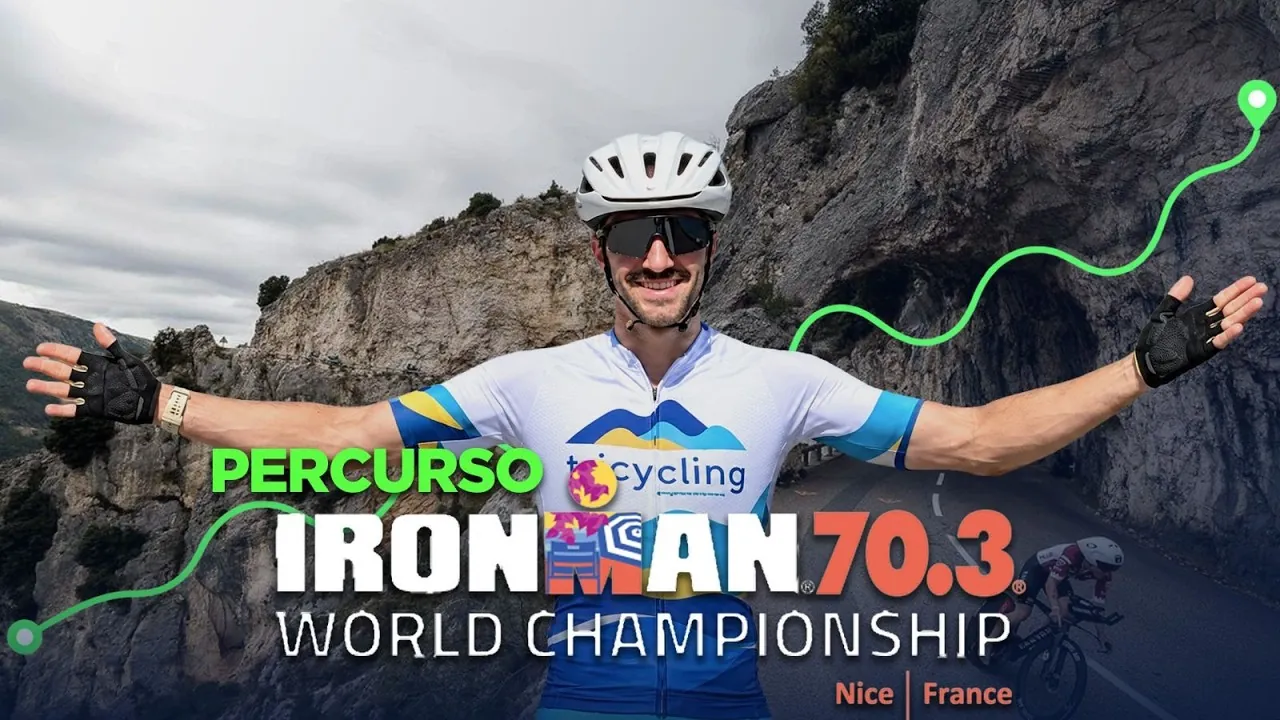
Explore the details of the bike course at the Ironman 70.3 World Championship in Nice. Between demanding climbs through French villages and technical descents, the race demands careful pacing and constant hydration.
The French Riviera welcomes around 6,500 triathletes for the Ironman 70.3 World Championship Nice in the south of France. Set against breathtaking backdrops between the Mediterranean coast and regional mountains, the bike leg is one of the most anticipated and feared parts of the competition, blending high-speed flats, long climbs, and highly technical descents.
PUBLICIDADE (GAM) — 1250x250
Flat Start and Approaching the Mountains
Right after leaving the swim, athletes begin the bike leg hugging the French Riviera coastline. The opening section offers around 7 to 8 flat kilometers, stretching through the city outskirts to total roughly 14 to 15 kilometers of favorable terrain before hitting the first inclines. With high temperatures in the forecast, staying hydrated becomes an immediate priority from the very first pedal strokes.
Continuous Climb and Power Management
Upon leaving the urban area, the course enters an uninterrupted climb of about 15 kilometers. This steady ascent demands strict pacing discipline to avoid premature burnout: crossing the second threshold or sustaining power above FTP (Functional Threshold Power) carries a heavy cost for the rest of the race. Heart rate monitoring and perceived exertion serve as vital guides, with athletes taking advantage of shaded stretches to meter their efforts.
Villages, False Flats, and Technical Descents
Following the primary climbing block, the route winds through tree-lined roads and picturesque regional villages, mixing scenic stretches with false flats ideal for maintaining cadence in the aero bars. Around the 50-kilometer mark, the landscape shifts dramatically as the descents begin. This section is extremely technical and winding, demanding heightened focus, precise braking, and caution to ensure safety.
Returning to the Waterfront for the Run
Once past the mountainous segments and sharp switchbacks on the descent, the course leads back toward the Nice coastline. It is along this very waterfront that athletes transition to the half marathon, taking on the city's characteristic heat on a fast seaside route to cross the World Championship finish line.
PUBLICIDADE (GAM) — 1250x250