
 Sports
How Fernanda Maciel Crossed the Pyrenees Self-Supported
The ultramarathoner tackled 800 km and 40,000 meters of elevation gain, a feat captured in the documentary Tala.
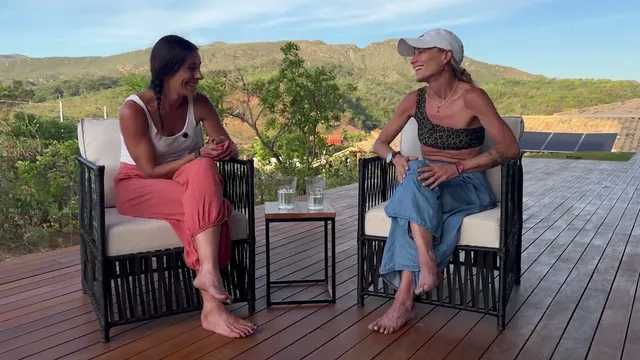
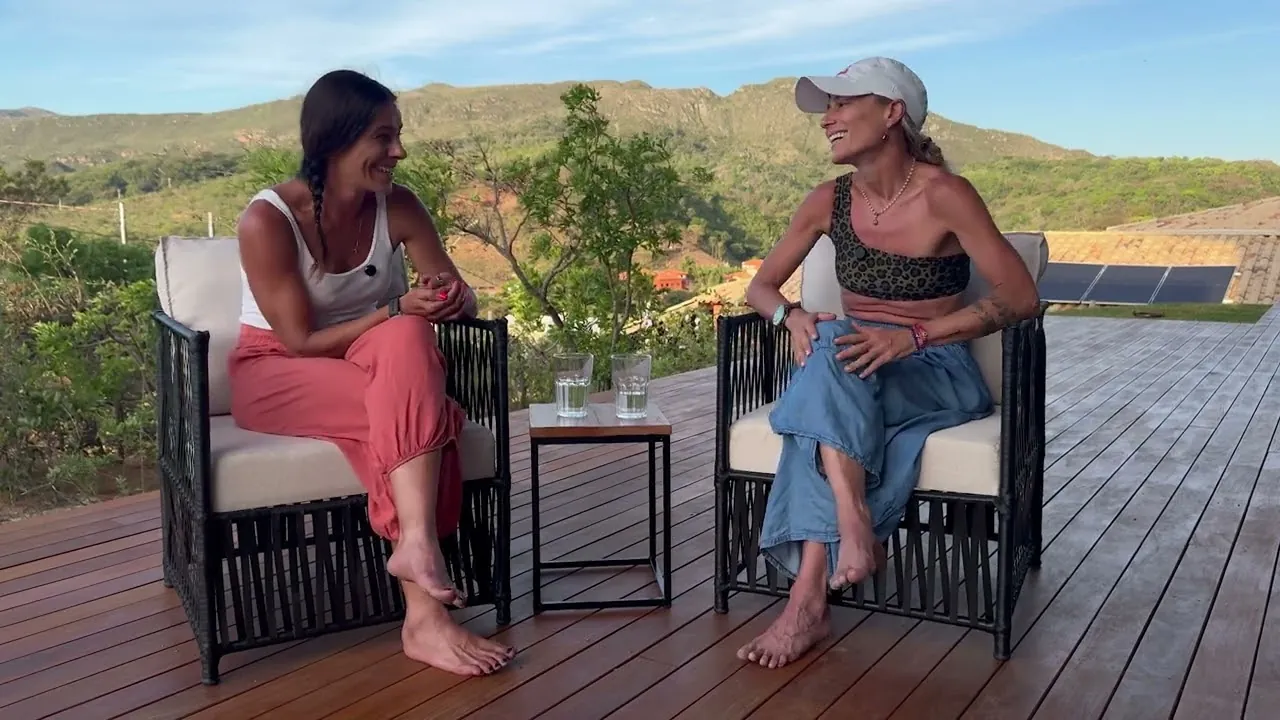
In a conversation with Shubi Guimarães on XTREMMA Sports, Fernanda Maciel detailed her 800 km self-supported crossing of the Pyrenees. The Brazilian athlete navigated wild terrain, up to 40,000 meters of elevation gain, and severe mental strain during a journey captured in the documentary Tala.
Considered by Fernanda Maciel herself to be the toughest project of her career, crossing the entire Pyrenees mountain range demanded an extreme combination of physical stamina, alpine technique, and mental composure from the Brazilian ultramarathoner. Over approximately 800 km and between 35,000 and 40,000 meters of positive elevation gain, she completed a solo, self-supported traverse across a route that takes most mountaineers roughly 45 days to finish.
PUBLICIDADE (GAM) — 1250x250
The minimalist logistics of the self-supported style
The athlete clarified that the expedition followed a self-supported format (self-sufficient using local resupply) rather than an unsupported one (no outside assistance whatsoever). Over a route of this distance, carrying food and gear for dozens of days would make running impossible due to pack weight. Maciel opted for a strictly minimalist strategy, carrying roughly 5 kg on her back with three days' worth of food and resupplying at mountain huts along the way.
This approach required maintaining a consistently fast pace. While traditional trekkers carry tents because they cannot reach the next refuge within a single day, Maciel used her running fitness to link distant points, covering stretches that demanded up to seven straight hours of running between shelters. Rest was kept to an absolute minimum: she slept about two hours in mountain huts or took quick power naps right on the trail before pushing onward.
Real risks, wild terrain, and mental control
Beyond the sheer physical challenge, the Pyrenees presented severe isolation and constant danger. While she was on the route, two mountaineers suffered fatal falls in the area due to steep terrain and icy snowfields, forcing her to bypass blocked sections. With no cellular service across most of the route and daily summer storms rolling in, any mistake or lack of supplies posed an immediate threat to her life.
Chronic sleep deprivation combined with non-stop adrenaline pushed her cortisol levels higher than anything she had previously experienced. To stay clearheaded and stave off panic attacks brought on by absolute isolation, Maciel relied on strict breathwork techniques throughout the journey, restoring her focus to make critical decisions on exposed terrain.
Offline navigation and the film Tala
Route-finding was another major hurdle. With faded or obscured trails and a lack of official trail markers, navigation relied entirely on three offline mapping apps loaded onto her phone, managed with strict battery conservation in mind. Even with that technology, GPS drift led to repeated route deviations and navigational errors.
The entire test of survival and speed was captured on video by Maciel herself, filming solo without a support crew. The project produced the documentary Tala, available on YouTube, which highlights the intensity of the challenge across the mountain range where she lived for twelve years. During the interview, Maciel also looked back on other milestones from her European mountain career, including her Gran Paradiso speed record and her ascent of the Matterhorn featured in the film Two Mountains, One Day.
PUBLICIDADE (GAM) — 1250x250


