
 Sports
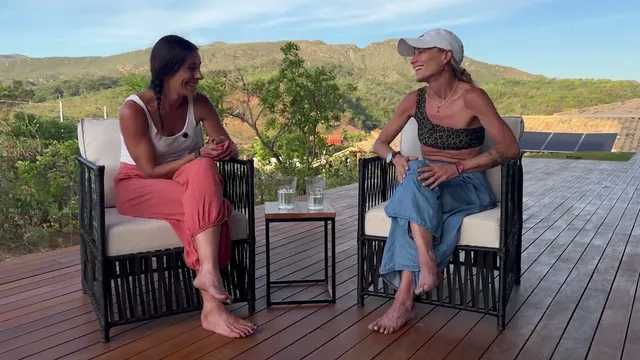
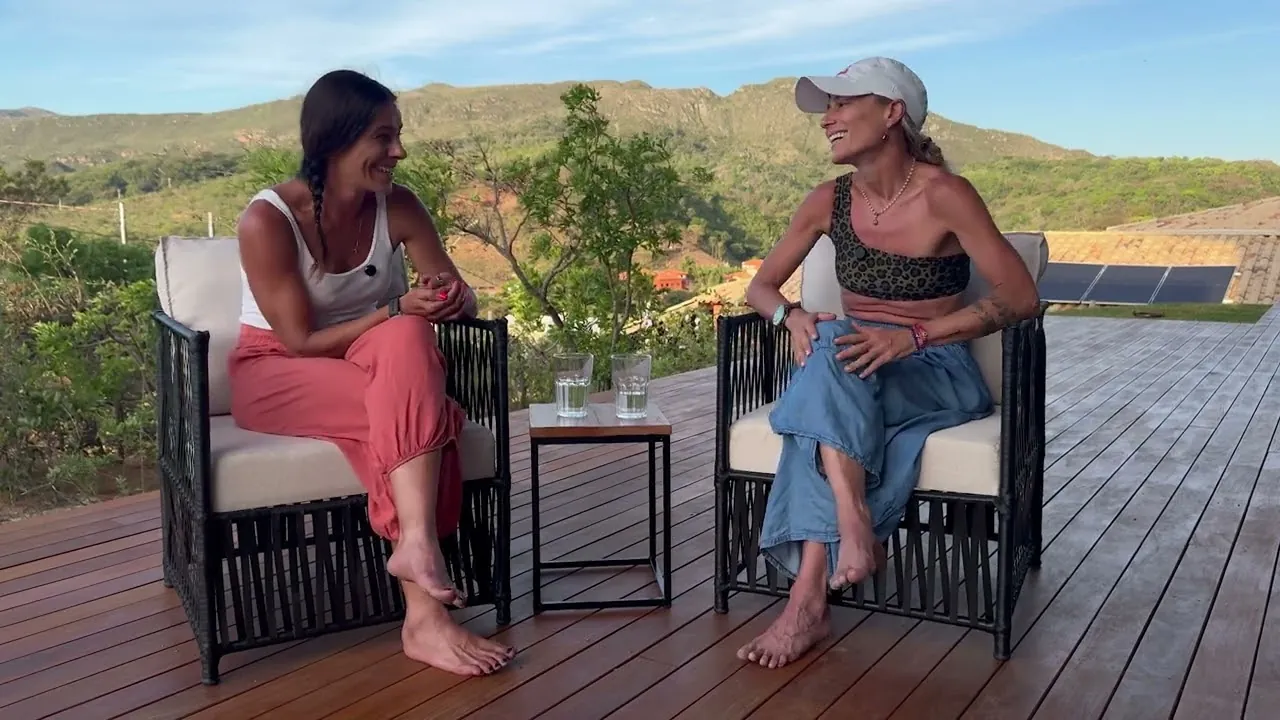
Fernanda Maciel: White Flow, Records, and Denali Scare
The ultra-runner details pairing social causes with extreme FKTs and recounts her dramatic crevasse rescue in Alaska.
Fernanda Maciel explains how she unites social causes with speed records across the world's highest peaks. The athlete also recounts her harrowing accident on Denali, where she survived a fall into a glacial crevasse.
Created in 2012, the White Flow project was born from Fernanda Maciel's desire to channel the individual effort of endurance events into tangible real-world impact. Realizing that athletic victories were not enough on their own, the athlete began designing extreme challenges tied to social and environmental causes worldwide.
The project debuted on the 800 km Camino de Santiago, completed in ten days to raise funds for children with cancer. This model was repeated with initiatives in Rio de Janeiro's Rocinha favela, as well as a high-speed ascent and descent of Mount Elbrus in Russia, where her run raised awareness and support for victims of sexual exploitation.
PUBLICIDADE (GAM) — 1250x250
High Speed and the Seven Summits Without Supplemental Oxygen
Alongside her social causes, Fernanda brought trail running to the highest peak on each continent, aiming to set the fastest known time (FKT) by a female athlete for round-trip ascents and descents without supplemental oxygen. Her approach upends traditional mountaineering logistics: routes that typically require weeks of trekking are completed in mere hours of running.
On Aconcagua, a route that standard expeditions take up to three weeks to conquer, Fernanda completed the journey in 14 hours. On Kilimanjaro, which usually demands seven days of hiking, she clocked 7 hours; on Elbrus, typically a three-day effort, her descent wrapped up in 5 hours. Her resume also includes Carstensz Pyramid in Oceania and Mount Vinson in Antarctica, cementing her presence on the planet's premier peaks.
To maintain speed on frozen terrain, the Brazilian athlete runs in trail running shoes where heavy high-altitude mountaineering boots are standard. This equipment choice slashes weight and allows running on ice and rock with crampons, but it demands extreme cold tolerance and millimeter-precise foot placement on technical terrain such as the Matterhorn and Mont Blanc.
The Alaska Accident and the Glacial Crevasse Fall
The pursuit of extreme records also brings critical moments. During her expedition to Denali in Alaska, Fernanda was trapped in her tent for nearly two weeks due to severe blizzards. On the verge of abandoning the attempt, she plummeted into a hidden crevasse while scouting terrain to capture footage.
The fall broke her shoulder and wedged her deep inside the ice fissure, facing an imminent risk of suffocation if the unstable upper snow layer collapsed. Her fellow mountaineers reached her and executed a rescue in about an hour, but fierce weather conditions forced a prolonged wait until the following day for helicopter evacuation.
Acclimatization and the Humility to Turn Back
Fernanda emphasizes that preparing to run at extreme altitudes requires dedicated acclimatization on the mountain itself, as living in Alpine towns like Chamonix—situated at roughly 900 meters—does not automatically adapt the body for heights above 5,000 or 8,000 meters.
During her attempt on Everest, where she ran without artificial oxygen, her summit push was halted due to physical issues experienced by her sherpa. For the athlete, survival and longevity in mountain endurance depend directly on the humility to accept nature's conditions and knowing when to walk away when safety is compromised.
PUBLICIDADE (GAM) — 1250x250


