
 Sports
Fernanda Maciel: From Adventure Racing to High Peaks
In a talk with Shubi Guimarães, the ultramarathoner details her career, high-altitude records, and solo projects.
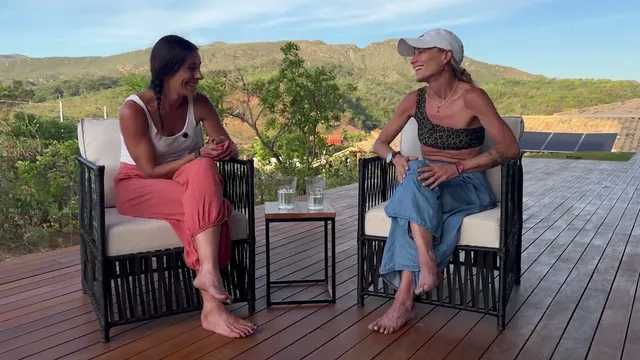
Fernanda Maciel reflects on her endurance career in an in-depth conversation with Shubi Guimarães on XTREMMA Sports. The interview spans her origins in martial arts and adventure racing to record-setting FKTs on high-altitude peaks and a solo Pyrenees crossing.
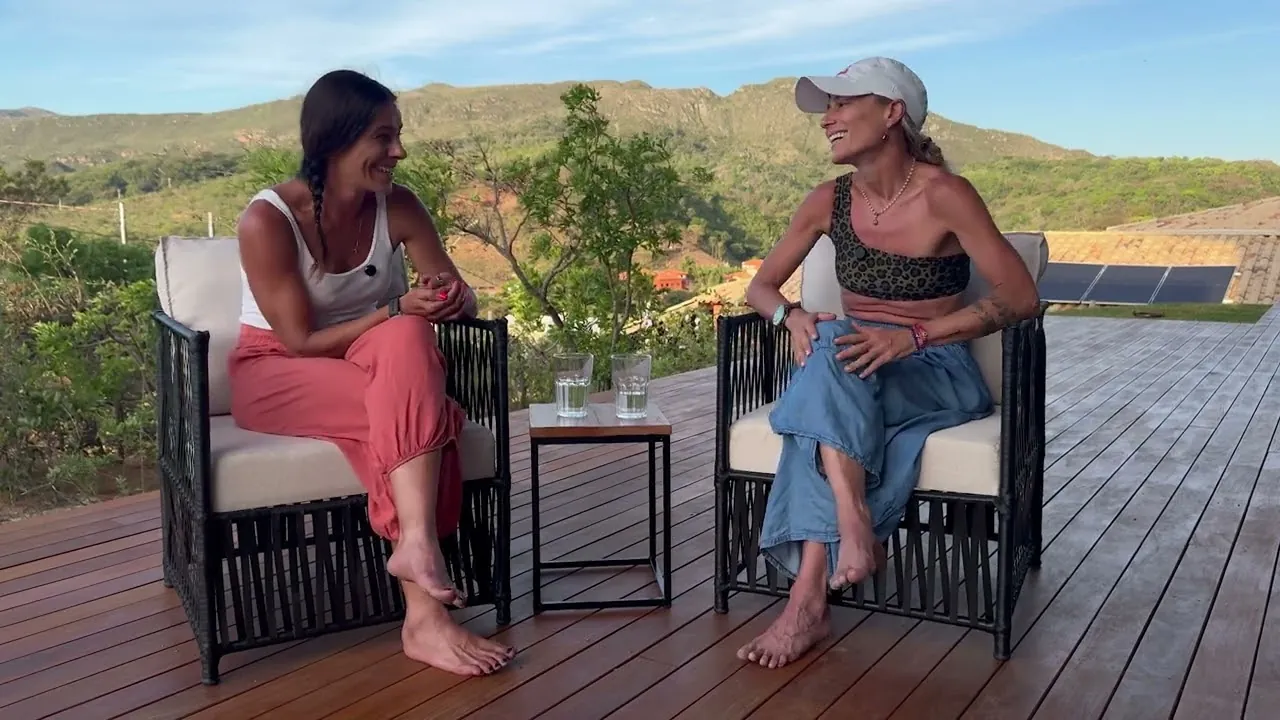
Broadcasting from Serra do Cipó, Shubi Guimarães welcomes Brazilian ultramarathoner Fernanda Maciel to review the defining milestones of her athletic career. Longtime friends and former multisport teammates, the two look back at how foundational discipline shaped one of international trail running's most consistent careers, marked by high-altitude speed records and extreme self-supported expeditions.
PUBLICIDADE (GAM) — 1250x250
Childhood, martial arts, and the first steps in running
Raised in a Belo Horizonte family deeply involved in combat sports, Fernanda grew up practicing Brazilian jiu-jitsu and capoeira before taking up competitive artistic gymnastics at Minas Tênis Clube at age 9. Her demanding schedule featured daily training and an exchange program in the United States. However, it was at 16—running barefoot along the asphalt and steep hills of Minas Gerais' capital for daily transportation—that running naturally became part of her routine, leading to her first road races and victories.
Entering adventure racing and building endurance
Her transition to the outdoor endurance scene began right in Serra do Cipó during a televised multisport competition. Following that experience, Fernanda joined top national adventure racing squads, including Os Kalungas and the all-women Atena team alongside Shubi. Expedition races of up to 500 kilometers—combining mountain biking, canoeing, vertical rope work, and map navigation—built the physical resilience and capacity to endure harsh weather conditions that would sustain her career.
Transitioning to global trail running and elite preparation
Moving into mountain ultramarathons across Europe and North America, Fernanda secured major podium finishes, including a victory at TDS during the Ultra-Trail du Mont-Blanc (UTMB), wins at Transgrancanaria, Ultra-Trail Mount Fuji, and Lavaredo Ultra Trail, as well as podium spots at the Marathon des Sables. She emphasizes that athletes based in Brazil can compete at the highest international level, dispelling the notion that one must live in the Alps by highlighting discipline, elevation repeats, and strategic acclimatization.
The White Flow project, high-altitude records, and the Denali accident
Founded in 2012 to combine endurance challenges with social and environmental causes, the White Flow project saw Fernanda establish Fastest Known Times (FKTs) on iconic peaks like Aconcagua, Kilimanjaro, and Elbrus without supplemental oxygen. The conversation also revisits moments of serious danger, including an attempt on Denali in Alaska, where she survived a fall into a glacial crevasse before being rescued with a broken shoulder.
A self-supported Pyrenees crossing (The Tala documentary)
Described by Maciel as the most demanding project of her life, her full crossing of the Pyrenees covered roughly 800 kilometers and up to 40,000 meters of positive elevation gain in a self-supported style. Carrying just a 5 kg backpack, navigating via an offline app along unmarked trails, and confronting intense psychological strain and sleep deprivation, the solo journey was captured in the documentary Tala.
Salar de Uyuni crossing, future challenges, and advice for female runners
After crossing the flat 173 kilometers of the Salar de Uyuni at an altitude of 3,700 meters in 19 hours and 50 minutes, Fernanda is preparing for her return to TDS in Chamonix alongside other extreme international races. Wrapping up the conversation, the ultramarathoner encourages more women to take on trails and mountains with courage, connection to nature, and freedom of movement.
PUBLICIDADE (GAM) — 1250x250


