 Sports
Essential Guide to IRONMAN 70.3 Brasília: Coach's Tips
Bruna Mahn and coach Daniel Marques detail essential logistics, courses, and strategies for the Brasília challenge.
IRONMAN 70.3 Brasília is fast approaching, and Stemma Performance offers a complete guide. Coach Daniel Marques shares valuable tips on swimming, cycling, and running. Prepare for the race with crucial information about the course and the professional competition.
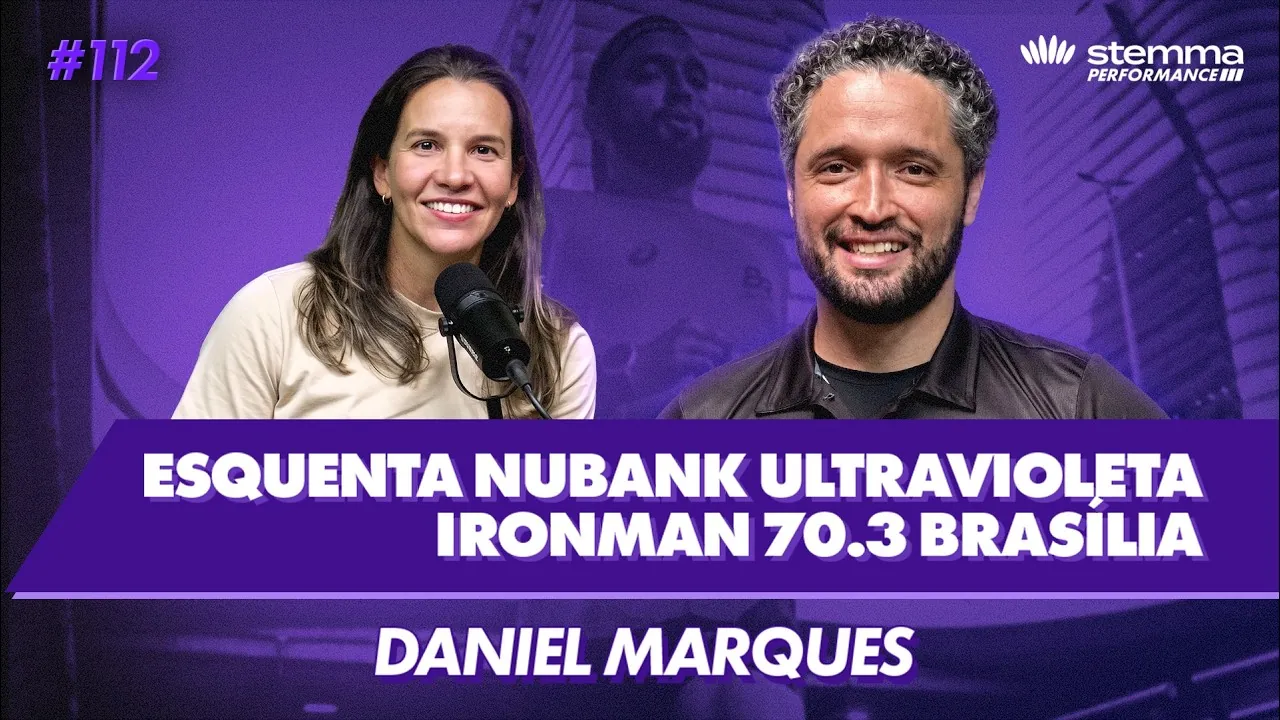
IRONMAN 70.3 Brasília is just around the corner, and to help athletes, companions, and future triathletes, Stemma Performance welcomed Daniel Marques, coach at BR Esportes Assessoria. Bruna Mahn, former professional triathlete and host of the episode, led the conversation that detailed the crucial aspects of the race, from preparation to the courses, as well as an overview of the professional elite.
Daniel Marques, who has been a running coach since 2013, found a passion for triathlon in 2019 when he joined BR Sports. Today, he experiences the sport both as a coach and as an athlete. His passion and experience are evident, and he emphasizes the importance of a patient and dedicated coach who accompanies the athlete through every stage of the journey towards challenging races like the 70.3.
PUBLICIDADE (GAM) — 1250x250
Pre-Race Preparation and Logistics
Organization is key. For those not from Brasília, Daniel emphasizes the importance of a complete checklist for the trip, avoiding reliance on the village expo for essential items. In Brasília, access to Pontão, the race venue, is easy with wide roads, but race day logistics require attention.
The day before, during bike check-in, it's advisable to slightly deflate your tires if the bike will be exposed to the sun. However, remember to inflate them on race day, anticipating queues. The tip is to have a Plan B, such as your own pump or CO2, to avoid depending on the race organization. For getting to the starting line, Uber is the best option and can be scheduled in advance to avoid parking stress.
Transition is considered the “fourth discipline” of triathlon. Daniel advises memorizing the entire transition path the day before (Saturday): swim entrance, bike location, exit for cycling, return, and exit for running. Fixed points (tree, post) near the bike help with orientation. Watching the technical briefing online or in person is crucial, as details and rules can change from one race to another.
Swimming in Lake Paranoá
The swim in Brasília takes place in Lake Paranoá, a freshwater lake with water denser than the ocean, similar to races in Curitiba and Riacho, which might demand a bit more from the legs. Daniel points out that entry into the water for warming up or pre-race reconnaissance is not allowed, unlike in other lake competitions in Brazil. Therefore, a land-based warm-up is essential. For those who want to familiarize themselves with the water, there are nearby spots at JK Bridge or Ministros Peninsula, but access permission must be verified.
Regarding goggles, a short section of the swim might have the sun directly ahead. Goggles with sun protection are recommended if the athlete is already used to them, but they are not strictly necessary due to the brevity of that section. Wind can be a factor, making the water a bit choppier at the start time.
Fast and Technical Cycling
The exit from transition to the bike course features a slight incline. Daniel recommends a lighter gear and caution when mounting the bike. The “mount line” doesn't require the athlete to get on immediately; it's preferable to move a few steps forward to a safe and quiet spot to mount, avoiding accidents, which are common at this point of the race. Prior practice of mounting and dismounting, especially for those using clip-in shoes, can optimize time and safety.
The cycling course is one of Brasília's highlights. With approximately 650 to 700 meters of accumulated elevation gain, it's not entirely flat, but it's very fast with good quality asphalt. It's a route conducive to good performance, where professional athletes can cycle under 2 hours. Daniel emphasizes the importance of proper gear shifting technique and positioning on climbs and descents to maintain pace and not rely solely on pedaling power. Hydration and supplementation are crucial at this stage, as mistakes in cycling are paid dearly in the run, as the coach exemplified with Hidalgo's case in Curitiba. The race provides hydration stations that should be utilized.
Run: Turns and Heat
The run consists of three laps on a predominantly “false flat” course on Ministros Peninsula, with about 80 to 90 meters of elevation gain per lap. There are more noticeable climbs at the park entrance and exit, which will be tackled six times. The course is a bit narrow in some sections, and the presence of local spectators may require patience and attention, hence the importance of respect and safety. The crowd is a great encouragement and makes a difference for the athlete.
Heat is a factor to consider, especially for those who will be on the course longer. Daniel emphasizes the need for constant hydration and cooling strategies, such as pouring water on the head, using ice, or wet sponges on the neck or inside the race suit. The goal is to keep core body temperature low to optimize running performance. Bruna reinforces the importance of adequate supplementation with products like those from Z2 Performance, mentioning the available Stemma discount coupon. Kingston is also mentioned as a partner for content storage for Stemma's broadcasts and productions.
The Return of the Professionals: Inspiration and Competition
Last year, IRONMAN 70.3 Brasília was the stage for the return of professional athletes to the circuit's races, and Daniel Marques highlights the importance of this category for inspiring new talent. This year, the race will feature 35 professionals — 25 men and 10 women — promising a high-level competition. Stemma Sports will even conduct interviews with most of them before the race, offering a glimpse into their preparation and expectations.
Men's Race: Favorites and New Contenders
Among the men, Taccone is a big name, with a strong track record and practically an honorary Brazilian. Reinaldo Colucci is seeking his tenth 70.3 victory, and the absence of names like Hidalgo and Messias (focused on the Olympics) increases his chances. Besides them, foreign athletes (Swiss, Portuguese) are arriving strong, not to mention the rise of Brazilians like Enzo, who has been standing out. Daniel also mentioned Filipe Bianchi, Pedala Edu (debuting with a new bike in the Pro category), and Maldonado, who promise to contend for top positions. Many strong amateur athletes are transitioning to professional, which demonstrates a constantly evolving and challenging landscape.
Women's Race: Highlights and Expectations
In the women's race, Jéssica Santos (DJ) is the clear favorite, bringing experience and the potential to break her own record. Other foreign athletes, such as Argentina's Romina, Germany's Sara, and Loticé Lucas from the Portuguese team, also promise to intensify the competition. Among the Brazilians, names like Bruna, Luísa, and Michele (recently transitioned to professional) are in contention. The presence of such a significant number of women on the professional start list (10 athletes) is a positive point for the race's competitiveness. The 70.3 Brasília race attracts talent from various countries, elevating the level of competition and highlighting Brazil's potential as a venue for major triathlon events. It's an invitation for fans to cheer on and follow each athlete's journey.
Daniel concludes by emphasizing the collaborative spirit of the sport, where rivalry should give way to partnership and inspiration. Good luck to all participants of IRONMAN 70.3 Brasília!
PUBLICIDADE (GAM) — 1250x250