Sports
Endurance Science: Smart Training for High Performance
Discover how physiology and individualized strategy transform intense training into real results in cycling and triathlon.
Renowned physiologist Dr. Gerson Leite demystifies endurance training, revealing that science is the key to high performance. He covers everything from common training mistakes to the importance of recovery and mindset. Learn how to optimize your performance and achieve your goals intelligently.
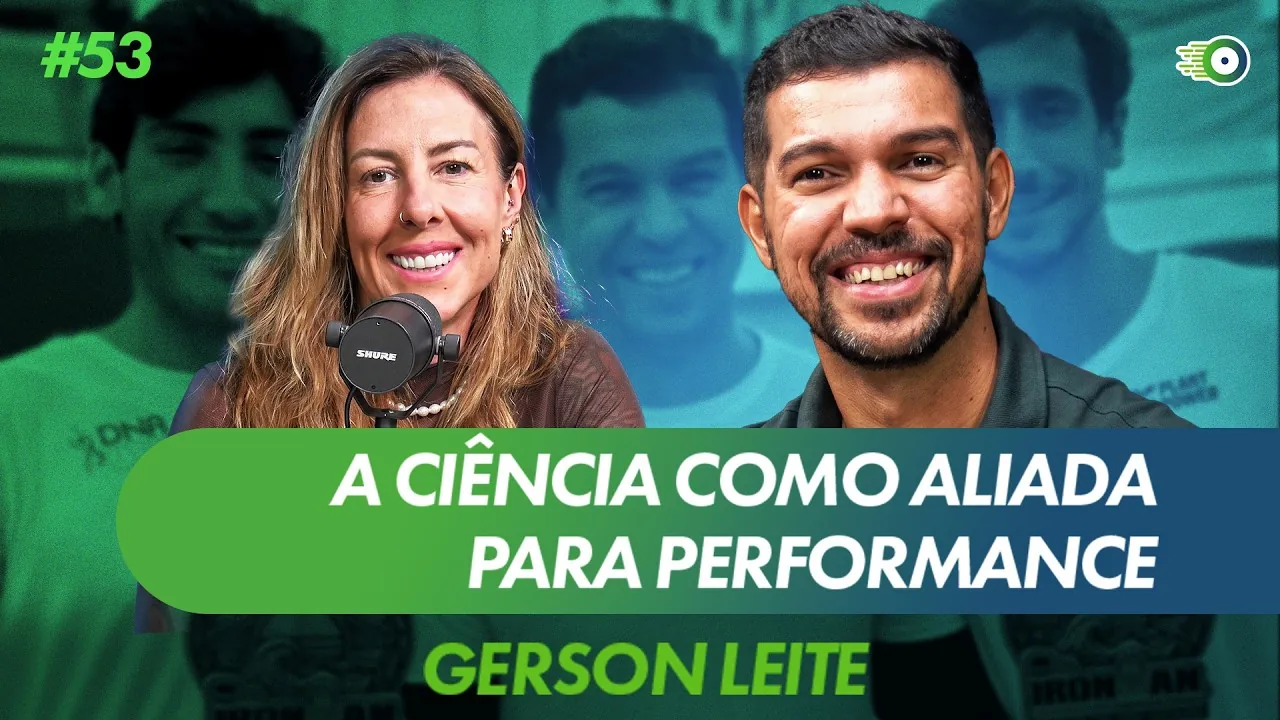
In the "Na Roda do Stemma" episode, host Gisele Gasparotto welcomes Dr. Gerson Leite, a sports physiologist, post-doctoral fellow at USP, and Head of Universidade do Endurance. The conversation delves into the intersection of science and practice in endurance sports like cycling, triathlon, and running, revealing that effort, volume, and willpower alone are not enough for high performance. Physiology, strategy, and method are essential.
PUBLICIDADE (GAM) — 1250x250
Dr. Gerson Leite's Journey: From Passion to Applied Science
Dr. Gerson Leite shares his passion for cycling, which began in childhood and intensified at 16, riding on highways with his Caloi 12. This experience taught him about overcoming challenges and self-confidence, propelling him toward physical education and later, sports physiology. Initially focused on elite athletes, Gerson realized that scientific knowledge should be accessible to everyone.
In 2014, he founded Trifosfato, an independent physiology lab that now primarily serves amateur athletes. His goal is to apply science in an individualized way to optimize training, manage weight loss, and improve performance, adjusting the plan to each athlete's needs and routines.
The Mistake of Always Training Hard and the Importance of Recovery
One of the points most criticized by Gerson in the Brazilian sports scene is the culture of always training hard. The belief that constant intensity generates results leads many athletes and coaches to neglect recovery, preventing the body's adaptation and evolution.
He illustrates this with the story of triathlete Mari Andrade, the Brazilian elite time trial vice-champion under his guidance. Mari's success didn't come from constant Z5 training, but from a scientific and individualized approach that respected the body's need for recovery. Gerson highlights that studies with Pro Tour cycling athletes show 70% to 90% of training is done in low-intensity zones (Z1/Z2), contrasting with the Brazilian obsession with higher zones, which compromises recovery capacity during races.
Demystifying Training Zones, FTP, and Essential Metrics
The definition and interpretation of Zone 2 (Z2) are sources of great confusion. Gerson explains that, scientifically, the body operates in three main metabolic zones. The scientific Z2, which spans from the first threshold to FTP (Functional Threshold Power), already represents moderate to hard effort, not a "walk in the park" as many believe (which would be Z1).
He emphasizes that the relevance of FTP varies with the objective: it's crucial for a time trialist, but less so for someone aiming to complete a Gran Fondo. Durability in a race, meaning the ability to maintain performance until the end, often proves more important than power peaks.
For the amateur athlete, the starting point is a health check-up. Essential metrics include GPS and heart rate monitor, which provide basic training data and monitor heart rate. For those seeking a higher level of detail, investing in a power meter is the next step, allowing for greater precision in training control. Lab tests (VO2, lactate) and field tests are valuable complementary tools.
Mind, Metrics, and Myths: Beyond the Physical
In the lab, Gerson observes that the mental limit often precedes the physical. Discomfort tolerance and the use of Endurance Brain Training are crucial for expanding the capacity to withstand training load. He also warns against the use of wearable devices (smartwatches, rings): they are excellent for measuring sleep duration and heart rate variability (HRV), but they fail to assess sleep quality, which requires exams like polysomnography. It's fundamental not to let this data replace individual perception and dialogue with the coach.
Regarding nutritional myths, Gerson debunks the generalized use of fasted training, low-carb diets, and carnivore diets for high performance. While fasting can have its place in specific phases and under guidance, carbohydrates remain the essential fuel for elite athletes in Olympics and World Championships, with no robust scientific evidence supporting the superiority of other diets for that level of performance.
Dialogue, Trust, and Evolution: Advice for Athletes and Coaches
For the stagnant athlete, Gerson suggests a change in mindset. If the problem persists even after 100% adherence to the current plan, switching coaches can bring new stimuli and perspectives, reprogramming the athlete's mind for evolution.
To coaches, the advice is clear: invest in the study of sports science and combine it with practical experience. Ignoring technological evolution, including Artificial Intelligence that already provides feedback to athletes, means falling behind. Experience, without scientific updating, loses relevance.
Finally, for athletes: follow your coach's plan, trust the process, and maintain open and honest dialogue. Communication is key for the coach to understand your sensations and needs, adjusting the plan to maximize your potential. This relationship of trust and respect is the engine of evolution.
The conversation with Dr. Gerson Leite on "Na Roda do Stemma" emphasizes that true endurance performance isn't just about raw effort. It's built on intelligence, intention, and the rigorous application of science to training. Understanding the body, demystifying old beliefs, and cultivating transparent dialogue with your coach are non-negotiable pillars for any athlete aspiring to evolve, whether in an Ironman, Triathlon, Marathon, or their daily ride. The journey of self-knowledge and the pursuit of smarter training are the path to overcome limits and achieve what once seemed impossible.
PUBLICIDADE (GAM) — 1250x250