
 Sports
Djenyfer Arnold: Challenges and Strategies on the World Triathlon Circuit
Triathlete Djenyfer Arnold reveals the behind-the-scenes demands of the World Triathlon circuit in her quest for an Olympic spot, focusing on competing at home.
In an exclusive interview, Djenyfer Arnold details the intense routine of travel and competitions in pursuit of Olympic qualification points. She shares the logistical challenges for Brazilian athletes and the strategy behind each race on the world triathlon circuit. The athlete also discusses the excitement of competing in the World Triathlon Cup Rio de Janeiro, with the support of the home crowd.
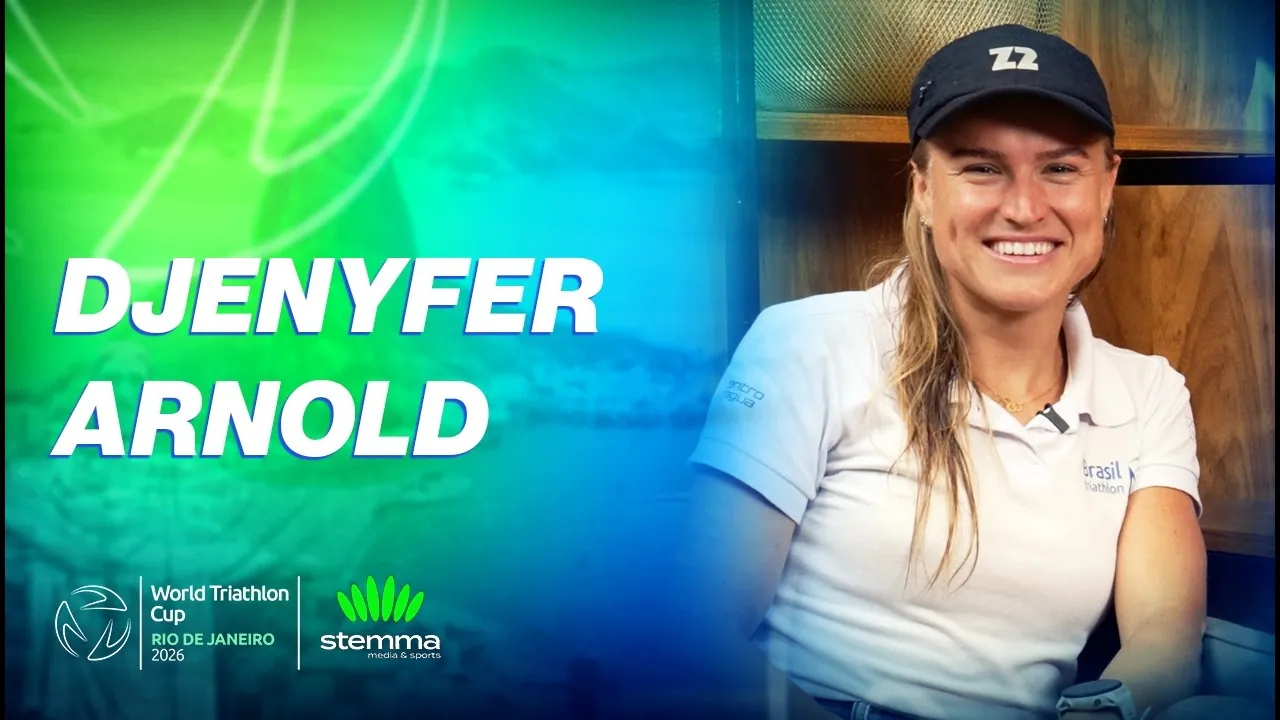
The Stemma Sports program, hosted by Fabio Bessa, had the honor of welcoming triathlete Djenyfer Arnold for a revealing conversation about the challenges of Olympic qualification and the routine of a high-performance athlete on the World Triathlon circuit. The interview covered everything from the logistical complexity of travel to the intensity of races, culminating in the anticipation of competing at home, at the World Triathlon Cup Rio de Janeiro.
PUBLICIDADE (GAM) — 1250x250
The Olympic Race: A Relentless Calendar
Djenyfer explained that the qualification process for the Olympic Games requires participation in World Triathlon Series events, which are the highest-scoring races. Over two years, athletes need to score in 12 competitions (six in each period). This dynamic imposes a frantic calendar, with races every 15 days, forcing triathletes into intense logistics and little room for recovery and training.
Logistical Challenges for Brazilian Athletes
For Brazilian athletes like Djenyfer, logistics pose an even greater obstacle. The need to constantly travel between Brazil and Europe, or other regions like Japan, leads to fatigue, loss of training time, and time zone impacts. For this reason, many choose to stay in Europe for extended periods, as Djenyfer has done since March, to try and equalize conditions with local athletes and optimize their participation in the circuit.
"For us Brazilians, it's difficult, isn't it? Because our logistics are much worse than for those who live in Europe." – Djenyfer Arnold
She highlighted the importance of support from the Brazilian Triathlon Confederation (CBTri) to enable this stay outside the country. The athlete also considered the challenge of maintaining performance when there are more competitions than time to train, emphasizing that she considers herself an athlete of training and not just talent.
The Relentless Dynamics of World Triathlon Races
Competition in World Triathlon Cup races is described by Djenyfer as "a slugfest" from the first minute. The swim start is extremely competitive, as whoever manages to position themselves in the front group gains a crucial advantage, given that cycling allows drafting. The choice of starting spot is strategic to avoid getting "battered" by other competitors. Transition (T1 and T2) is also fundamental to avoid losing the main pack in the cycling and run segments.
The level of competition is extremely high, with just a few seconds separating dozens of athletes. Djenyfer recounted an experience in London, where she finished 26th, only 1 minute behind the first-place finisher, illustrating how every detail and every fraction of a second counts. The difference between a good and a bad placement can be decided by a small distraction or mental fatigue in the final stretch.
Home Crowd Support at the Rio World Cup
Competing at home, in the World Triathlon Cup Rio de Janeiro, holds a special significance for Djenyfer. She emphasized the importance of all Brazilian athletes participating to grow the sport in the country. The race in Rio, which features a significant number of Brazilian athletes, offers a unique opportunity for more experienced athletes, like Djenyfer, to interact with and inspire juniors who are just starting. The energy of the local crowd is a motivating factor and extra fuel for competitors. Djenyfer expressed her determination to use this energy to overcome challenges and deliver an excellent performance.
The presence of 21 Brazilians on the start list (almost 11 men and 10 women) for the World Triathlon Cup Rio de Janeiro is a sign of the sport's growth and the community's strength. The exchange of experiences between different generations of athletes is an additional benefit of these national competitions.
Djenyfer Arnold's journey on the world circuit and her determination in each race are a testament to the passion and resilience required by high-performance triathlon. The experience of competing at home, with the support of the crowd, certainly adds a special chapter to this journey. May the next competition come, with all the energy and focus that Djenyfer always demonstrates!
PUBLICIDADE (GAM) — 1250x250