
The Evolution of Running Culture and Specialized Retail
Alexandre Estefano explains how running shifted from a backup sport to shaping a sales team made up of runners.
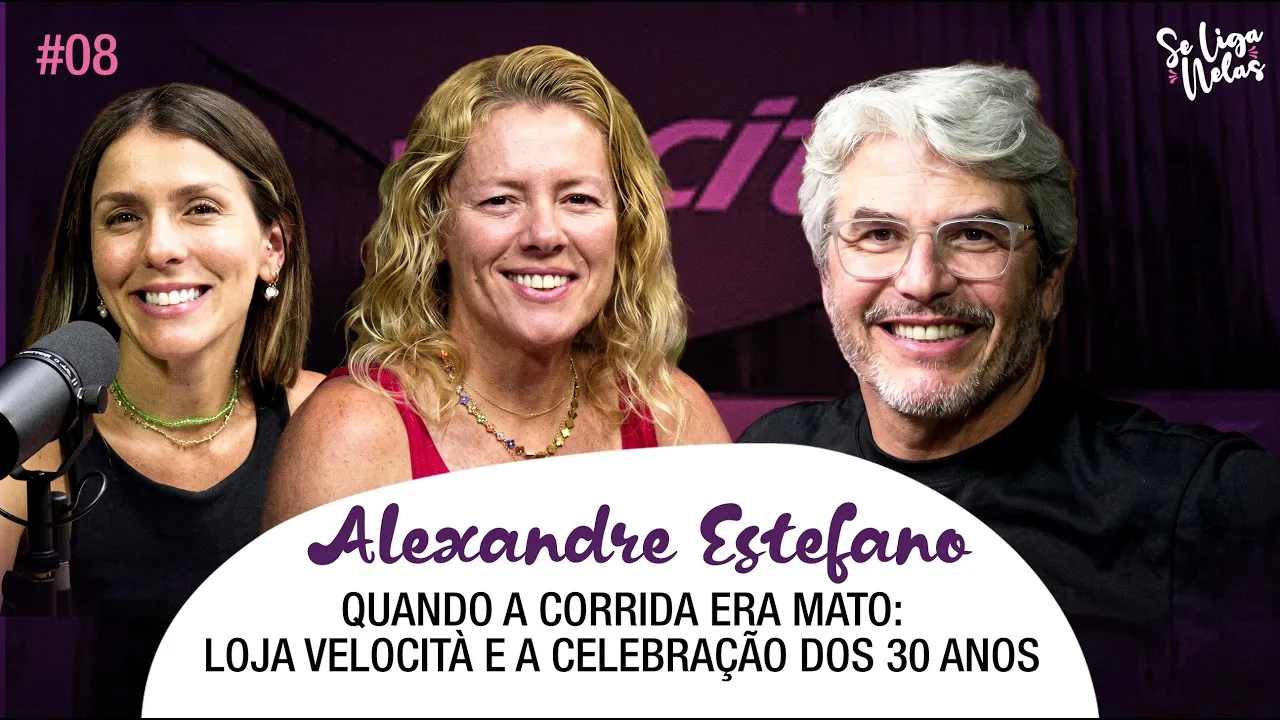
The transformation in runner demographics has reshaped how the sport is practiced and consumed. Alexandre Estefano, managing partner at Velocità, breaks down this cultural transition and explains why having a retail staff that actively trains makes all the difference.
Public perception of road running has undergone a profound transformation over the past decade. In the past, the sport was seen almost as a transitional activity for people in their mid-thirties—frequently after injuries in soccer or tennis. Today, the landscape is completely different. Running has grown younger, gained visual appeal, and turned casual participants into athletes who proudly embrace their identity as runners.
For Alexandre Estefano, managing partner at Velocità, the recent boom reflects above all a cultural shift driven by younger generations' focus on health, new forms of self-expression, and brand efforts to make the sport appealing. While the focus previously fell almost exclusively on individual performance, rigid training schedules, and the obsessive pursuit of personal bests (PBs), modern running has embraced community, fun, and pace freedom.
From Initial Resistance to an Athlete-Led Team
This shift in consumer behavior directly impacted how retail store teams are built. Around 2014, recruiting sales staff who were active runners was a significant challenge. Most young hires at 18 or 19 preferred team sports like soccer and found the idea of running solo in a park monotonous.
Over time and with the rise of running culture, the situation reversed. Today, roughly 90% of the company's overall workforce runs, a figure that approaches 100% among retail sales floor staff. In internal initiatives and races where the company provides complimentary entries, 20 to 25 employees typically participate out of a total team of 40.
The Value of Real-World Experience in Customer Service
Technical product knowledge reaches another level when backed by an actual training routine. Velocità partners with running clubs and coaching groups, encouraging employees to follow training cycles for distances ranging from 10Ks and half marathons to full marathons.
By experiencing daily challenges firsthand—such as sleep discipline, nutrition, managing fatigue, and injury prevention—sales associates gain practical authority when guiding customers. Training on midsole technologies, cushioning, and shoe mechanics ends up complementing real-world experience that staff members test on their own legs every single day.