
 Sports
Pilates and Posture: Keys to High Performance in Triathlon
Discover how Authentic Pilates and correct posture can transform your performance and prevent injuries in sports.
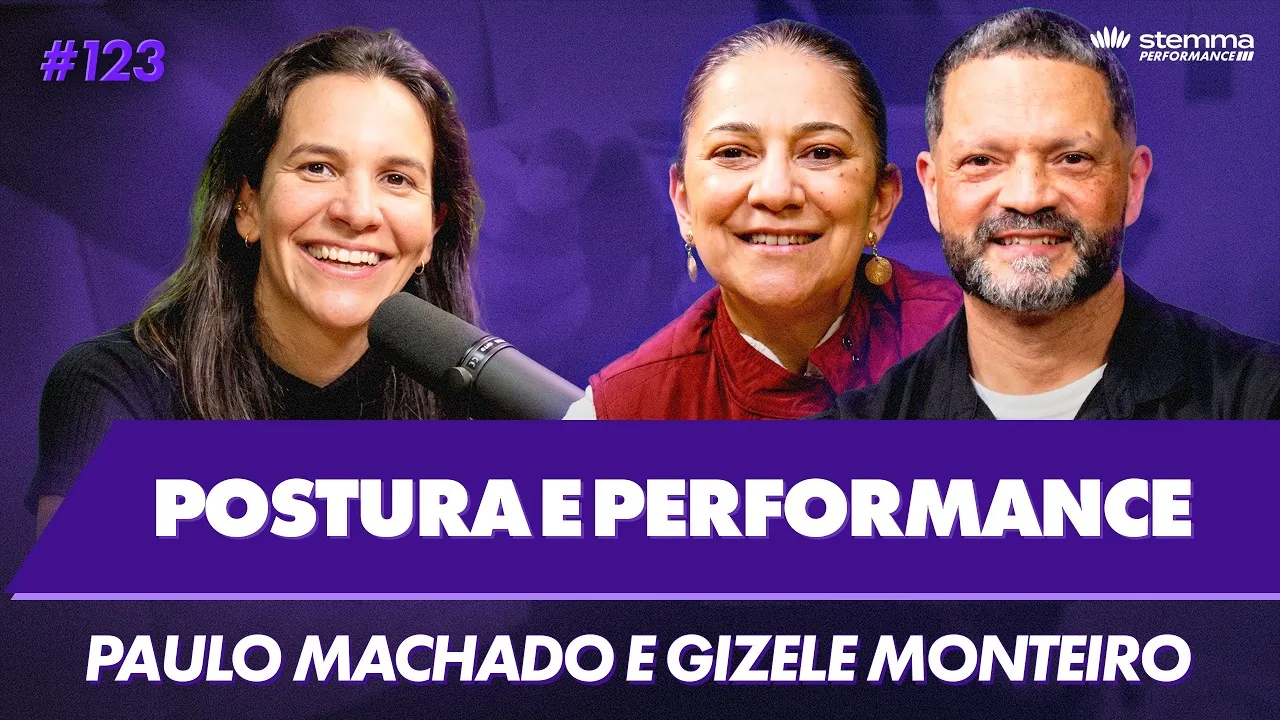
Posture directly influences performance in swimming, cycling, and running, as well as injury prevention. In this episode of Stemma Performance, Bruna Mahn speaks with Paulo Machado and Gizele Monteiro about how authentic Pilates and body awareness are fundamental for triathletes and for athletic longevity. Understand the benefits and how to choose a reputable Pilates training.
On the Stemma Performance program, host Bruna Mahn welcomed specialists Paulo Machado and Gizele Monteiro for a crucial discussion on posture and its direct influence on performance and injury prevention for endurance athletes. Focusing on triathletes, the conversation demystified Pilates and revealed how foundational work can be a game-changer for those seeking athletic longevity and significant results.
PUBLICIDADE (GAM) — 1250x250
The Vital Connection Between Posture and Performance in Triathlon
Posture is the foundation of all movement and, consequently, of athletic performance. Bruna, Paulo, and Gizele emphasize that poor posture can significantly limit performance in disciplines such as swimming, cycling, and running, in addition to being one of the main causes of pain and injuries. Issues like back pain, cervical discomfort, and difficulty performing seemingly simple movements, such as standing pedaling on a bike, are frequently associated with a lack of body awareness and activation.
Athletes with poor motor repertoire, especially younger ones, enter sports with poor posture, making them more susceptible to injuries and underperforming. The discussion highlights the importance of specific postural work for each modality, as running posture is different from cycling posture, for example.
Authentic Pilates: More Than Exercises, a Movement Philosophy
Paulo Machado, a physical educator with over 20 years of experience in Pilates, emphasizes that Authentic Pilates is not just a series of slow exercises, but a complete method of physical and mental conditioning. Based on the direct teachings of Joseph Pilates and Romana Kryzanowska, the method focuses on constructing movements that work strength and flexibility simultaneously, originating from what they call the Powerhouse (center of strength).
For Paulo, Authentic Pilates stands out due to its physiological, biomechanical, and functional logic, always aiming for the individual improvement of the practitioner. He criticizes approaches that deviate from the original principles, transforming Pilates into contortionism or convoluted science. The objective is to diagnose each person's deficiencies and work within the method to promote postural adjustments and improve flexibility, posture, and strength in an integrated manner.
The Core and Mobility: The Secret to Strength
The concept of the Powerhouse, or center of strength (abdomen and hips), is crucial. By strengthening and mobilizing this region, the extremities become freer to move, reducing tension and increasing efficiency. The idea that a healthy spine requires strong and flexible hips is central to Authentic Pilates, allowing the body to act as a firm 'spring' with great capacity for movement. This awareness changes how the athlete relates to their body, directly impacting running, swimming, and cycling.
Body Awareness and the P-Move Protocol
Gizele Monteiro, a specialist in abdominal diastasis and women's health, combines her expertise with Paulo Machado's in developing the P-Move Protocol. This multidisciplinary work aims to integrate pain treatment and performance improvement, focusing on the cause, not just the symptom. They observe that many athletes treat injuries with physical therapy and return to training without changing the movement patterns that caused the problem, perpetuating the cycle of injuries.
The P-Move aims to develop body awareness and neural activation, which are challenges for many, especially for those who start training later in life. This awareness is vital not only for performance but also for safety, as in the case of cycling, where the ability to sustain oneself in the core prevents falls and inappropriate compensations that lead to pain. The protocol also includes a course for trainers, enabling them to conduct postural assessments and select specific exercises for their athletes, optimizing strengthening time and results.
The Importance of Training and Athletic Longevity
A crucial point discussed is the quality of a Pilates instructor's training. Paulo Machado warns against the proliferation of quick courses and unfounded methods. In Authentic Pilates, training is rigorous, lasting at least one and a half years, with theoretical and practical exams at each stage (beginner, intermediate, advanced). The instructor learns to work with all apparatus in an integrated way and to deal with each student's individuality, as group classes on apparatus are considered ineffective for serious work.
The recommendation is to inquire about the instructor's school and training duration. A good professional should ensure the student leaves the class pain-free or with less pain than when they entered, and with greater body awareness. This individualized attention and serious approach are the keys to Pilates' success in injury prevention and promoting athletic longevity, allowing athletes to enjoy their passions longer and with higher quality.
Investing in posture and body awareness through methods like Authentic Pilates is more than just training; it's an investment in health, performance, and the ability to continue doing what you love, pain-free and with greater freedom of movement. It's understanding that the foundation of your movement is the secret to going further and faster.
PUBLICIDADE (GAM) — 1250x250




