Sports
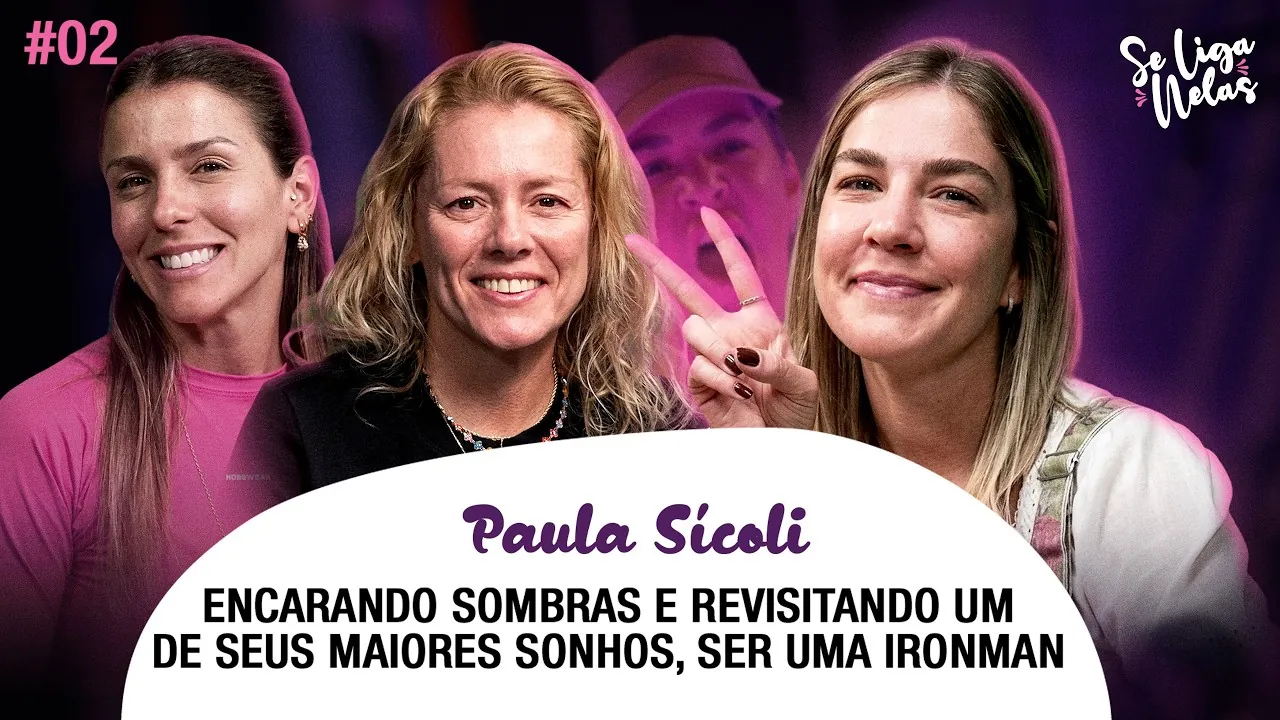
Paula Sícoli: Overcoming Trauma on the Road to Ironman
From a passion for open water to the 140.6-mile finish line, the triathlete reflects on resilience, healing, and motherhood.
Paula Sícoli opens up about how endurance sports and open-water swimming helped her overcome trauma and achieve her dream of becoming an Ironman. In an honest interview, she shares insights on motherhood, marathon swimming, and empowering women in triathlon.
Paula Sícoli's relationship with endurance sports began in childhood. The daughter of a former professional swimmer and amateur triathlete, she grew up on the beaches of Niterói and started running at a young age, inspired by workouts with her mother and her family's active lifestyle. Years later, she was the one who encouraged her twin sister, Lana Sícoli (from the channel Eu Escolhi Correr), to take up long-distance running, turning mutual encouragement into a family trademark.
PUBLICIDADE (GAM) — 1250x250
A deep connection to the ocean and marathon swimming
Among the three triathlon disciplines, open-water swimming holds a special place in Paula's heart. Accustomed to the sea since childhood, the athlete finds in the water both a sanctuary and a source of emotional grounding to manage pre-race anxiety. A member of the Anjos d'Água training squad, which focuses on long-distance events, Paula has completed 10K marathon swims and routinely tackles open-water challenges without a wetsuit.
For those seeking safety and performance in open water, the triathlete emphasizes the importance of training in real conditions with ocean currents and waves. According to Paula, only hands-on ocean experience provides the composure needed to face endurance events without panicking at the starting horn.
Overcoming trauma, rebirth, and returning to training
Triathlon also played a crucial therapeutic role in Paula's life after a traumatic kidnapping in Manaus. The ordeal triggered panic disorder, severe weight loss, and difficulty leaving home or driving. Her recovery was built gradually in the pool and through workouts guided by coach Márcio Soares, who supported her through her first bike rides and short sprint-distance races.
Returning to training restored her appetite, physical strength, and confidence to compete once again. The personal triumph of reclaiming control over her routine paved the way to revive a lifelong dream she had harbored since childhood: crossing the finish line of a full-distance Ironman.
The Ironman routine and balancing motherhood
Preparing for the 2.4-mile swim, 112-mile bike, and 26.2-mile run required meticulous planning to balance rigorous training with raising two young children. Coached by Felipe Guedes, Paula scheduled her highest-volume sessions during school hours, fitting the demanding workload around family life.
The athlete highlights that maintaining mental lightness and knowing when to rest were essential throughout the training block, preventing undue pressure over paces or split times from overshadowing the joy of the journey. Her husband's support and their flexibility in adapting workouts ensured she crossed the finish line with a sense of joy and profound fulfillment.
Support and female representation in endurance sports
Paula also stresses the importance of expanding the presence of women in endurance sports, a space historically dominated by men. From safety concerns during outdoor training to the necessity of strong support systems for mother-athletes, she advocates for empathy, camaraderie, and mutual encouragement among women on the starting line.
Inspired by pioneers like Fernanda Keller and elite triathletes such as Brenda and Ariane Monticeli, Paula views the sport as a vehicle for genuine connection, where the courage to show up and give your best matters far more than comparing performance metrics.
PUBLICIDADE (GAM) — 1250x250