 Sports
Motherhood and Sports: Rosecler Costa on Guilt and Self-Care
The triathlete explains why taking care of yourself is not selfish and highlights the role of a support system in training.
Rosecler Costa opens up about the challenges of balancing motherhood with intense training and overcoming outside judgment. The triathlete highlights how self-care and a strong support network are vital pillars for women in sports.
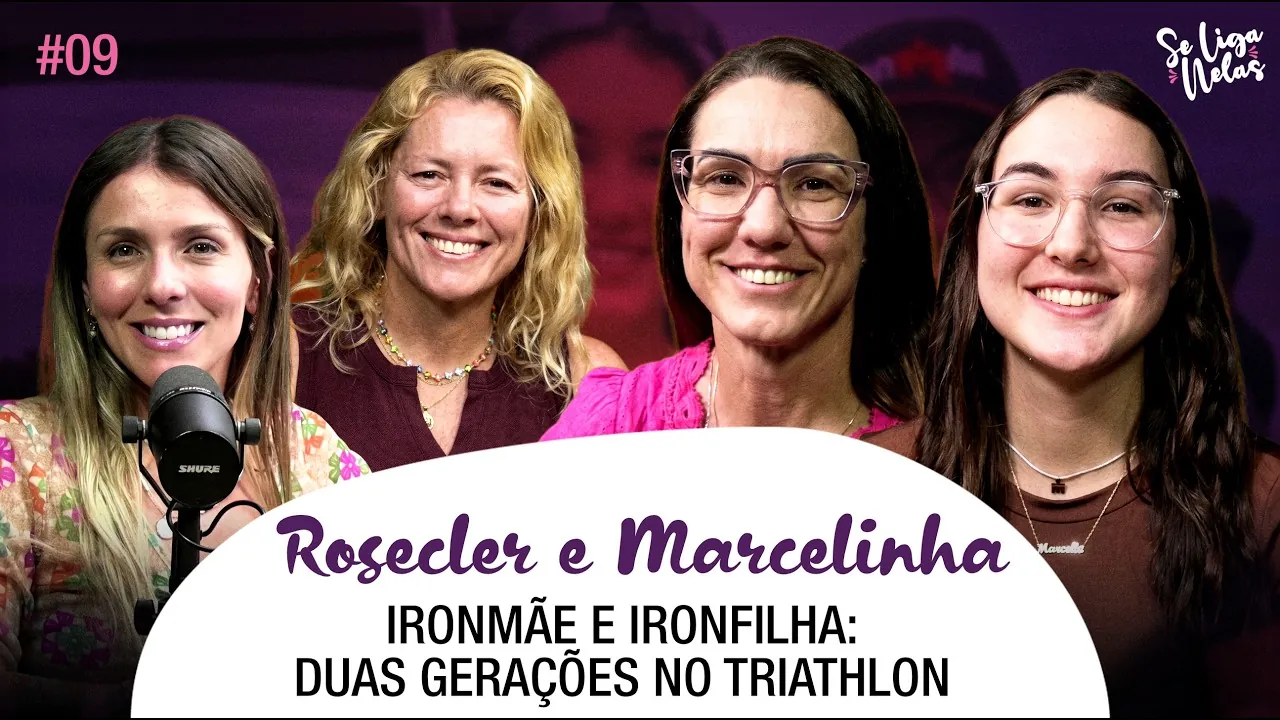
Balancing motherhood with high-performance sports is a challenge that extends beyond the workout plan—it involves managing internal and external expectations. Speaking on the show Se Liga Nelas on the Stemma Sports channel, triathlete Rosecler Costa opened up about feelings of guilt, the judgment faced over the years, and the importance of preserving one's identity through physical activity.
PUBLICIDADE (GAM) — 1250x250
External judgment and returning to training
After spending nearly a decade away from competitions to raise her young children, Rosecler felt the need to return to sports. The decision, however, came with outside criticism. She shares that she even heard remarks from other mothers accusing her of "abandoning" her children simply for going out to train while they were in the care of their grandmother.
For Rosecler, returning to triathlon was driven by two key pillars: serving as a positive role model of dedication and discipline for her children and reclaiming personal space. She emphasizes the importance of women not losing their identity after marriage and motherhood, noting that being well with oneself is the first step toward offering the best to one's family.
A calculated routine and the power of a support system
The key to balancing family commitments with physical conditioning lay in meticulous daily planning. Rosecler scheduled her training sessions for times when the children were sleeping, at school, or with their grandmother, ensuring she was present for school pick-ups and daily household routines.
Beyond scheduled discipline, the triathlete highlights the decisive role of a support system. The backing of her mother and her partner, Marcelo, was vital in making training possible. Today, when coaching female athletes who dream of tackling major races, Rosecler often asks whether their family and partner support the goal, viewing support at home as 50% of the path to success.
Self-care is not selfish
Flexibility is also part of the process: when unexpected events occur, such as a sick child, family takes absolute priority and training is adjusted. Rosecler reinforces that carving out time for oneself should never be seen with guilt or selfishness, but as an essential tool for mental health, self-esteem, and quality of life.
For anyone looking to start or resume a healthy routine, the message is to demystify the need for massive volume right away. Whether it is a 30-minute walk or a short run a few times a week, any movement dedicated to personal well-being helps relieve daily pressure and keeps personal goals alive.
PUBLICIDADE (GAM) — 1250x250