 Sports
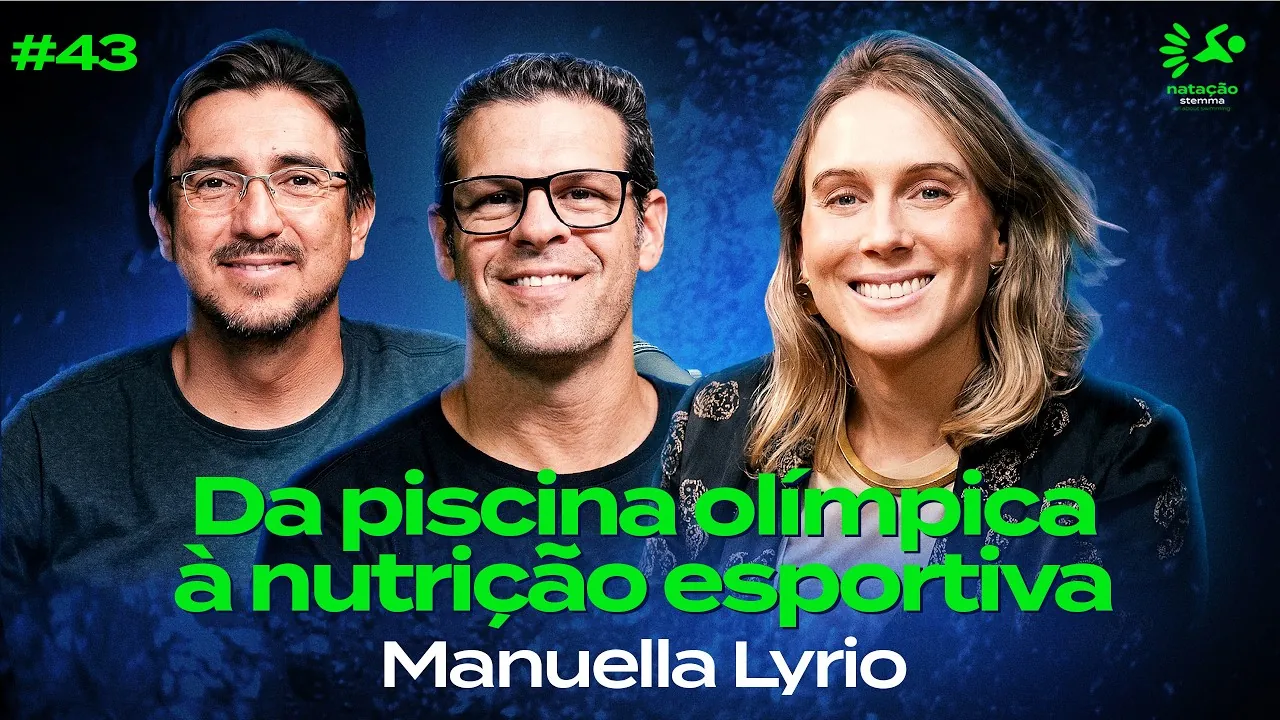
Manuella Lyrio: From Olympic Swimming to Sports Nutrition
A Rio 2016 semifinalist and former South American record holder reflects on her swimming career and transition to clinical nutrition.
Olympic swimmer Manuella Lyrio shares behind-the-scenes insights from Rio 2016, the period she almost stepped away from the sport, and how high-performance swimming shaped her current practice in sports nutrition.
With a career featuring Pan American Games podium finishes, World Championship finals, and a South American record in the 200m freestyle at 1:57.28, Manuella Lyrio reached the pinnacle of competitive swimming by advancing to the Olympic semifinals at Rio 2016. Years after stepping away from elite competition, the Brasília native now works as a clinical and sports nutritionist, applying her practical experience in high performance to guide swimmers and fitness enthusiasts.
PUBLICIDADE (GAM) — 1250x250
From youth swimming in Brasília to Esporte Clube Pinheiros
Manuella's connection with the water began in childhood in Brasília, encouraged by her family for safety and healthy habits. As she excelled in regional meets and age-group competitions under coach Lobo, the swimmer quickly drew national attention with titles at the South American junior championships.
Around age 13 to 14, as she transitioned to the juvenile category, Manuella moved with her family to São Paulo to join Esporte Clube Pinheiros. The upgraded facilities and structured routine of a major club accelerated her technical development, culminating in her first senior national team call-ups in 2006 and her Pan American Games debut in Rio de Janeiro in 2007.
Taking a break at 19 and returning with consistency
Despite impressive results at the junior level, the transition to senior competition brought increased pressure and plateauing times between 2008 and 2009. Faced with doubts about pursuing university studies or continuing grueling training sessions, Manuella decided to step away from the pool for nearly a year to focus on university entrance exams and prep courses.
Missing the competitive environment prompted her return in early 2010. Resuming training with Minas Tênis Clube in Belo Horizonte, the swimmer adopted a renewed mindset toward performance fluctuations, backed by sports psychology support. That maturity proved crucial in building the consistency that put her at the top of the 200m freestyle in Brazil, contending for international roster spots against competitors like Larissa Oliveira and Gabrielle Roncatto.
The Rio 2016 atmosphere and the 200m freestyle pressure
The highlight of her Olympic cycle came at the 2016 Rio Games. Swimming on home soil with the backing of a passionate crowd at the Olympic Aquatics Stadium, Manuella clocked a lifetime best of 1:57.28, securing 12th place overall and a semifinal berth in the 200m freestyle. Considered one of swimming's most tactical and grueling pool events, the race demanded complete emotional composure on the sport's biggest stage.
After extending her competitive cycle through 2019, she planned to retire in 2020. When competition came to a halt and the Olympic Games were postponed due to the Covid-19 pandemic, Manuella decided to officially retire from professional swimming and dedicate herself entirely to her academic degree.
Transition to nutrition and common high-performance pitfalls
Choosing nutrition stemmed from a practical desire to complement her training routine and establish a second career rooted in firsthand athletic experience. Looking back on her career, Manuella notes that she often struggled with a caloric deficit—consuming less energy than her heavy training volume required—along with overlooking the quality of her sleep and recovery.
Today, working with swimmers at Sesi São Bernardo and consulting amateur athletes, she highlights the strategic role of carbohydrates in muscle recovery and cautions against unverified nutritional fads, stressing that sustainable athletic performance relies directly on metabolic health and long-term consistency.
PUBLICIDADE (GAM) — 1250x250