
 Sports
Larissa Fabrini: Strategy, Kona, and New Triathlon Challenges
The two-time amateur champion shares insights on IRONMAN 70.3 Rio, Kona preparation, and future plans in the sport.
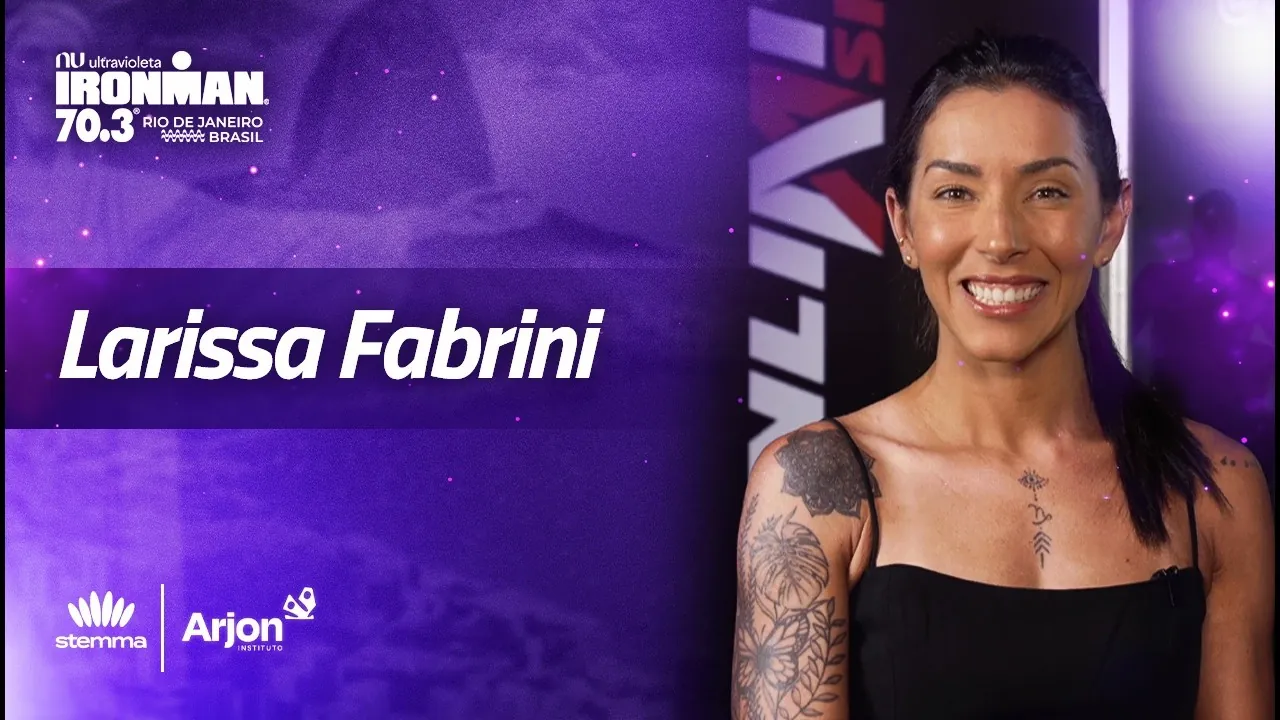
Larissa Fabrini, two-time amateur champion of IRONMAN 70.3 Rio de Janeiro, discusses her current training phase for the Kona World Championship. She details how the Rio race fits into her preparation and reveals future triathlon plans. The triathlete also shares tips on the course and her nutrition routine.
IRONMAN 70.3 Rio de Janeiro is always a stage for great stories and performances. In an exclusive interview with Stemma Sports, presenter Fabio Bessa spoke with the race's two-time amateur champion, Larissa Fabrini, who opened up about her intense preparation for the Kona World Championship, her future plans, and the challenges of the Rio course.
PUBLICIDADE (GAM) — 1250x250
At the Peak of Performance and the Strategy for Kona
Larissa Fabrini revealed she is experiencing the peak of her triathlon career, with training numbers in swimming, cycling, and running never before achieved. The IRONMAN 70.3 Rio race fit perfectly into her preparation cycle for the Kona World Championship, taking place eight weeks prior, a period she considers ideal.
The triathlete also shared that moving to Goiânia brought a new climatic challenge, with higher temperatures and lower humidity compared to Belo Horizonte. However, she is taking advantage of Rio de Janeiro's high humidity to begin her acclimatization protocol for Kona, which is known for its challenging conditions. This is the first time Larissa competes in 70.3 Rio during her preparation for a full Ironman, which historically yields her best results, given the high training load and volume.
Unveiling the IRONMAN 70.3 Rio Course
With the experience of a two-time champion, Larissa Fabrini analyzed the IRONMAN 70.3 Rio course, highlighting its strengths and challenges:
Swimming: The Most Complex Segment
For Larissa, swimming in the Rio race is the most difficult segment. "I've never found swimming in Rio easy," she stated, citing the current and wind as factors that make swimming more challenging than in other races.
Cycling and Running: Preparation is Key
Regarding cycling, especially the tunnel section, Larissa downplayed the difficulty, emphasizing that any athlete aiming for a triathlon must be well-trained. She stressed the importance of cycling outdoors, practicing turns, descents, and ascents, and that the presence of tunnels is already known when choosing the Rio race. While acknowledging that the tunnels can create a feeling of heat and stuffiness, she doesn't consider them a major problem.
The run, on the other hand, is considered relatively easy, being flat and straight. With the encouragement of the crowd and its three well-defined laps, the section is smooth, even facilitating nutrition strategy with gels.
New Horizons: Farewell to Kona World Championships?
Larissa Fabrini and her partner, Rodrigo, are in agreement about "saying goodbye" to Kona this year. After many participations and significant experiences, they are seeking new adventures in the sport. The decision is based on several factors, including the high cost of travel and the desire not to be tied to the October calendar, which often coincides with other equally appealing races.
Larissa's new goal is ambitious and inspiring: to have an Ironman trophy from every continent. She sees this as a "really cool challenge," comparing it to the famous marathon mandala. The triathlete makes it clear that it's not a definitive farewell to World Championships, but rather a phase of exploring new experiences, with the possibility of returning to Kona in the future, perhaps at 60 or 80 years old.
The Importance of Strategic Nutrition
Asked about organizing her diet, especially with the routine of travel and training, Larissa confessed she isn't very skilled with complex menus. Her solution is practicality: she uses frozen meals from Livap, preparing her "monthly meal prep" in conjunction with Rodrigo. This strategy ensures healthy and varied eating without the hassle of cooking, allowing her to prioritize the rest crucial for high performance.
Larissa Fabrini is not just an elite athlete; she is an example of dedication, planning, and adaptability. Her journey, marked by a continuous pursuit of improvement and new experiences, shows us that triathlon is much more than just crossing the finish line – it's a philosophy of life, a constant cycle of challenges and achievements. We wish Larissa an excellent race in Rio and success in her next chapters in the world of triathlon.
PUBLICIDADE (GAM) — 1250x250