 Sports
Early Specialization in Sports: Burning Out Athletes or Building Futures?
Dr. José Cruvinel and Gisele Gasparotto demystify the pursuit of immediate results, advocating for holistic development in sports.
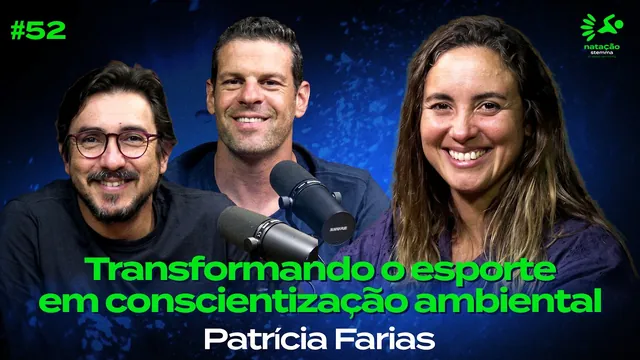
The quest for child champions may be undermining the longevity and mental health of young athletes. In "Na Roda do Stemma," sports physician Dr. José Cruvinel, with host Gisele Gasparotto, discusses the risks of early specialization and introduces innovative projects aimed at sustainable development. Discover how focusing on evolution, not just victory, can shape true talent.
In an illuminating episode of the podcast "Na Roda do Stemma," host Gisele Gasparotto welcomed sports physician Dr. José Cruvinel to discuss a crucial and often controversial topic: early specialization in sports. The conversation addressed the dangers of subjecting children and adolescents to intense training regimens focused on a single sport, at the expense of more diverse and healthy development.
PUBLICIDADE (GAM) — 1250x250
Early Specialization vs. Long-Term Development
Dr. Cruvinel highlighted that, historically, the idea that an athlete needs to start very early in a single sport to succeed has been a misconception. Recent studies, including one from 2022, show that successful elite athletes typically begin to specialize between the ages of 14 and 15. In contrast, the "very good juniors," who specialize around 12 or 13 years old, often do not reach the same level in adulthood or abandon the sport altogether.
The difference lies in longevity and comprehensive development. While early specialization can yield quick results in youth due to high training volume, it is not sustainable. "A good junior athlete starts very early, but a good elite athlete starts later," Cruvinel summarized. The central question isn't "who wins," but "who evolves."

The Role of Parents and Sports Diversification
One of the main points discussed was the influence of parents. Often, they project their own dreams onto their children, creating unnecessary pressure. Talent at young ages is difficult to assess, and just as a 6-year-old doesn't know what they want to do in college, they also don't know if they want to be a professional athlete in the future. The role of parents, according to Dr. Cruvinel, is to encourage sports as a whole, but by ensuring diversification.
Overspecialization is defined as excessive focus on a single sport, not participation in competitions. It is crucial for children to try different modalities to receive varied neuromuscular and cognitive stimuli. If a child enjoys cycling, for example, they should be encouraged to practice cycling, but also swimming, martial arts, or other sports. Competition is healthy for learning to win, lose, and manage emotions, but it should not justify an exclusive focus on one sport.
Consequences of Early Specialization
The risks of early specialization are significant and can be divided into physiological and mental aspects. Dr. Cruvinel used the analogy of a car driven only in first gear: it "burns out" before reaching its full capacity. Similarly, a young body subjected to repetitive movements and increasing intensity in a single sport can suffer from:
- Overuse injuries: Conditions like tendinitis (patellofemoral, pes anserine, iliotibial) which are common in novice adults, but exacerbated in developing bodies.
- Growth spurt injuries: During accelerated growth, bone epiphyses are more vulnerable. Increased intensity during this phase can lead to stress fractures and even permanent changes, such as limb length discrepancy.
- Mental exhaustion (burnout) and abandonment: Pressure for results and exhaustive repetition lead to frustration and the loss of enjoyment in sports.
Geração Bike Brasil and Gen2Rise Projects: A New Approach
To combat the negative effects of early specialization, Dr. Cruvinel highlighted two inspiring projects he is involved with: Geração Bike Brasil and Gen2Rise. The initiative was born from the experience of athlete Juju (Juliana), who suffered from overtraining and lack of support as a young person, despite her talent. She expressed the desire for others not to go through the same.
These projects focus on the athlete's evolution as an individual, with a multidisciplinary team including a doctor, nutritionist, coach, data analyst, neuropsychologist, and physical therapist. The goal isn't immediate results, but comprehensive and sustainable development. The Geração Bike Brazil clinics and meetings are free and aim to educate parents and young people about the importance of the long-term process.
Principles for Youth Development in Sports:
- The Two-to-One Rule: Intense training sessions should not be more than double the duration of quieter or more diversified sessions. Prioritize fun and variation.
- The Importance of Competition: Competing is vital for skill development and learning to cope with emotions, but it should not be the sole focus.
- The Age-to-Training-Hours Rule: A child should not train more hours per week than their age. For example, a 10-year-old trains a maximum of 10 hours per week. After age 16, the maximum remains at 16 hours.
- Conscious Strength Training: Weight training is allowed, but with moderate loads (50-60% of 1RM), without seeking maximum loads that could harm bone and muscle development.
Redefining Success in Sports: Longevity and Health
Dr. Cruvinel argued that true success in sports is longevity. It's not about winning every competition, but about remaining active, healthy, and happy for many years. The example of cyclist Marianne Vos, who excelled in various cycling disciplines and has remained at the top for decades, illustrates this vision. The same applies to elite athletes who, even without being constant "winners," are valued for their consistency and contribution to the team.
The same logic applies to amateur athletes. The pursuit of immediate results, such as completing an Ironman after just a few months of training, can lead to the same cycle of injury, frustration, and abandonment. It is crucial to align expectations with the realities of the body and life, prioritizing health and enjoyment.
Encouraging sports means investing in the foundation, in developing individuals and not just champions. Brands and sponsors should shift their focus from instant podium finishes to sustainable development. The final question that summarizes the entire debate is: "Should we create a champion or someone who never stops loving the sport?" The answer, for Dr. Cruvinel, is undeniably the latter, ensuring that sport is a tool for lifelong development and happiness.
PUBLICIDADE (GAM) — 1250x250