 Sports
Flamengo Plans Major Bylaw Overhaul and CEO-Led Management
Presented on June 1, the proposal creates a CEO-led executive board and expands transparency regulations across the club.
Flamengo is reviewing a proposed bylaw overhaul designed to modernize its internal corporate governance. The initiative introduces paid executive directors under a CEO alongside strict accounting transparency measures.
Flamengo has introduced a proposal to amend its club bylaws, aiming to transform its corporate governance structure. Presented on June 1 and open for amendments and feedback through July 15, the draft outlines the elimination of operational roles for statutory officers and the introduction of professional executive leadership.
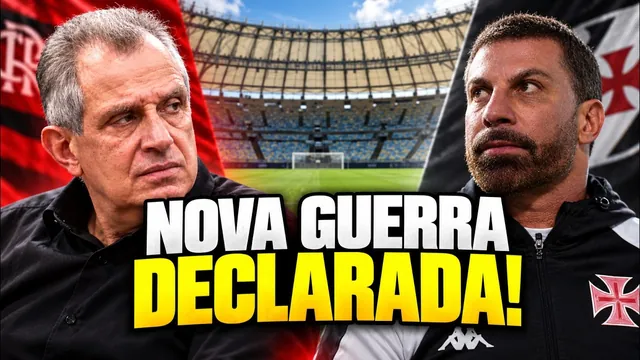
In the video above, Fabrício Kica from the Mundo na Bola channel joins the debate alongside Bernardo Ramos to break down the key points of the proposal and its potential impact on Brazilian soccer.
PUBLICIDADE (GAM) — 1250x250
Corporate structure led by a CEO
Under the proposed model, the club's administration would operate similarly to publicly traded companies. The president and the management board would step back from direct day-to-day operational tasks to focus on strategic oversight, while daily operations would be handled by a Chief Executive Officer (CEO) and hired professional directors. In addition, management board members must demonstrate relevant prior experience in the private sector or public administration.

Transparency portal and member oversight
The proposal also establishes a transparency portal that would publish monthly balance sheets, annual and multi-year strategic plans, and full financial statements. Another clause mandates the public disclosure of all contracts and business deals between the club and its members, seeking to curb backroom political and commercial arrangements.
Comparison with the SAF model
For Fabrício Kica, the initiative represents a structured alternative to both the traditional club membership model and the football corporation structure known as SAF (Sociedade Anônima do Futebol). In Kica's assessment, the format preserves democratic processes through triennial elections where club members act like shareholders, avoiding the concentration of power among private investors. However, Kica notes that the draft presented on June 1 still requires further detail regarding governance workflows and the establishment of clear performance metrics and targets for paid executives.
PUBLICIDADE (GAM) — 1250x250