Education
Unlocking High Abilities: Beyond the Genius Label
High abilities aren't just about being a genius, but about a brain that functions uniquely.
Explore the world of high abilities/giftedness (HA/G) and understand it goes far beyond intelligence. Carola, who has HA/G, and Adri from Turma do Jiló, explain how to identify the signs and create truly inclusive environments. Learn why difference deserves respect and how to transform settings so everyone can flourish.
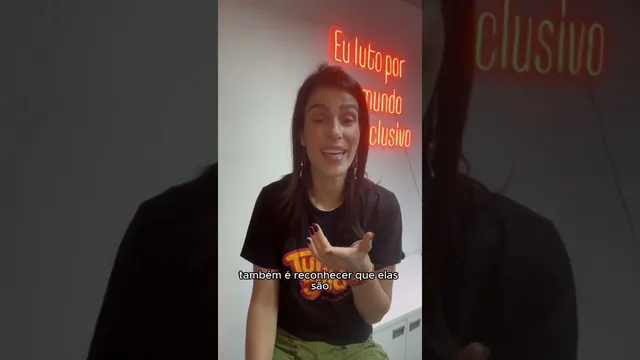
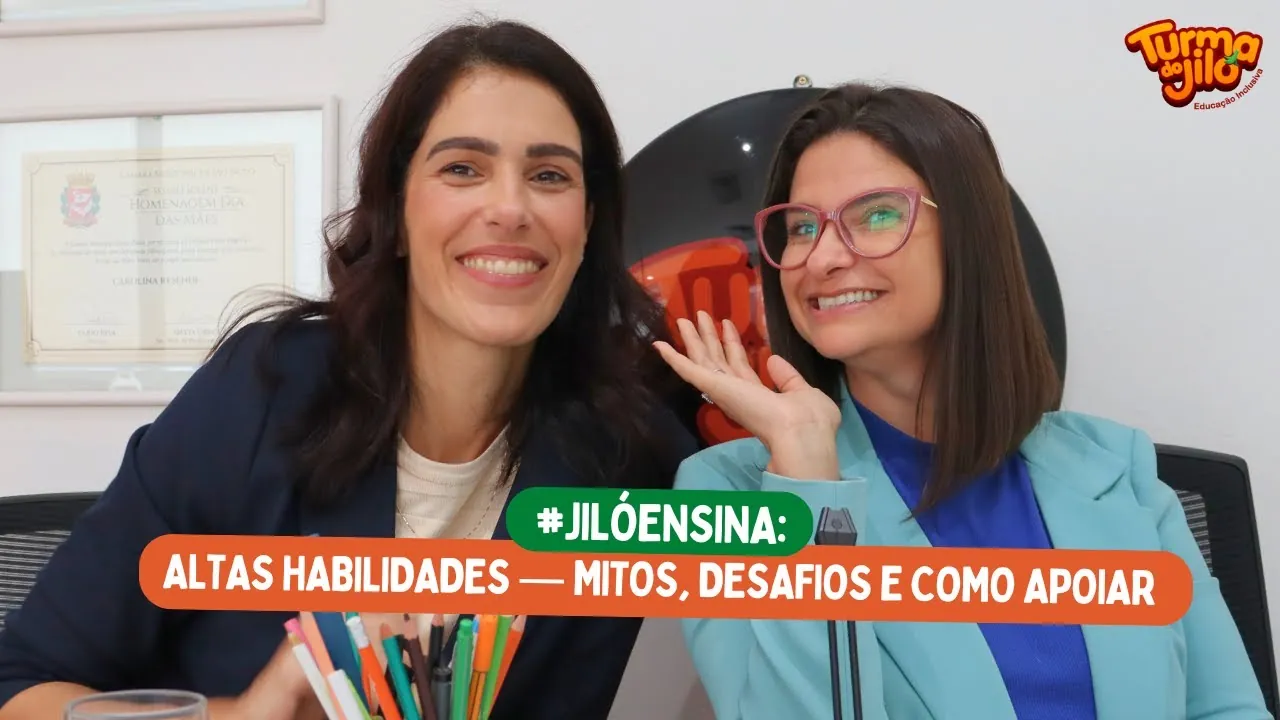
In the #JilóTeach segment, the beloved Adri and Carola Videira, from Turma do Jiló, delve into a topic often surrounded by taboos: high abilities and giftedness (HA/G). Carola, drawing from her personal experience, offers a unique perspective, demonstrating that understanding HA/G is fundamental for building a more welcoming world.
PUBLICIDADE (GAM) — 1250x250
High Abilities/Giftedness: A Different Way of Functioning
Demystifying common belief, high abilities and giftedness are not merely about having a very high IQ or learning everything quickly. Carola explains that it is, in fact, a different way the brain functions and processes information. This can be accompanied by greater sensory and emotional sensitivity, causing experiences like empathy, joy, or suffering to be lived with more intensity.
While intelligent people learn quickly, an individual with HA/G exhibits profound curiosity, often exceeding what is expected for their age, and a genuine interest in complex topics. They seek challenges that go beyond what conventional schools typically offer, quickly exhausting standard content.
There isn't a single model of a gifted individual. It could be a child who reads at age 4, an adolescent who innovates in school, or an adult who delves deeply into a specific topic for weeks. The key is to understand that each individual is unique in their manifestation of HA/G.
Overlooked Signs and Harmful Myths
Precisely because there isn't a fixed model, many signs of high abilities can go unnoticed. Some examples include:
- Complex questions from a very young age, such as a child questioning the existence of colors.
- Intense emotional sensitivity, crying more than others during a movie scene.
- Boredom with repetitive activities, which is often mistakenly interpreted as disinterest or lack of attention.
Adri points out that she herself has been among the statistics of teachers who, due to a lack of knowledge, overlooked students with HA/G. It is a common myth to associate HA/G solely with good grades — recent research (2021-2022) shows that 52% to 61% of teachers fall into this trap, neglecting other important signs such as curiosity and sensitivity.
Carola shares her experience of a late diagnosis in adulthood. Because she didn't demonstrate "genius" in her grades, she thought she was a bad student. This late awareness allowed her to understand her curious brain and transform her own practice, emphasizing the importance of rethinking and acting with inclusion.
Transforming Environments for Inclusion
Inclusion isn't about changing the person, but about transforming environments so that everyone can flourish. For those who identify with high abilities or wish to support someone with them, the tips are clear:
- Seek specialized professionals for appropriate support.
- Listen to and embrace the individual in their particularities.
- Be flexible and adapt environments and expectations.
Instead of expecting genius, we need to recognize that HA/G is a different way of being and that this difference deserves respect and acceptance. Join us; here, no one gets left behind!
PUBLICIDADE (GAM) — 1250x250