Education
Unique Brain: Beyond Neurotypical and Neurodivergent Labels
Discover why the division between neurodivergent and neurotypical might not make sense, and how to celebrate the true essence of every brain.
Turma do Jiló invites us to rethink neurotypical and neurodivergent labels. Understand that every brain is unique and diversity is the true normal. Learn to focus on individual adaptations and needs for genuine inclusion in any environment.
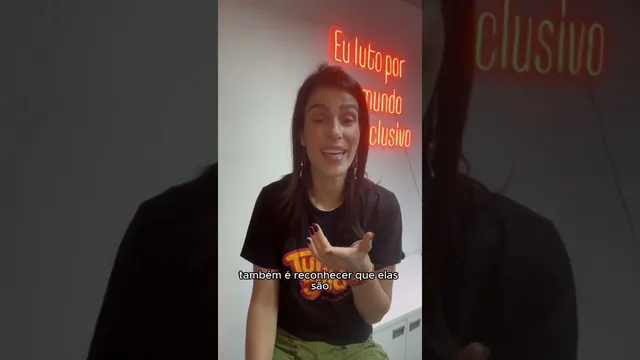
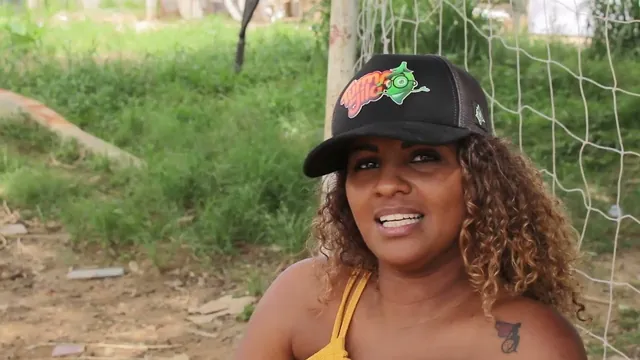
In the universe of Turma do Jiló, a space dedicated to Inclusive Education and Diversity, the discussion around the terms "neurodivergent" and "neurotypical" gains a new perspective. In a transformative chat, specialists Carolina Videira and Adriessa Santos deconstruct the idea that we are divided into rigid categories, inviting us to value the uniqueness of each brain.
PUBLICIDADE (GAM) — 1250x250
Every Brain Is a Unique Universe
It's common to hear neurotypical people referred to as "normal" and neurodivergent people as "different." However, this simplistic distinction ignores a fundamental truth: no two brains are 100% identical. Have you ever felt anxiety or been bothered by excessive noise? These are experiences that touch upon how we process the world, and they are often associated with neurodiversity. The reality is that we all interpret things in distinct ways, making diversity the true normal.
Labels and Diagnoses: Understanding, Not Definition
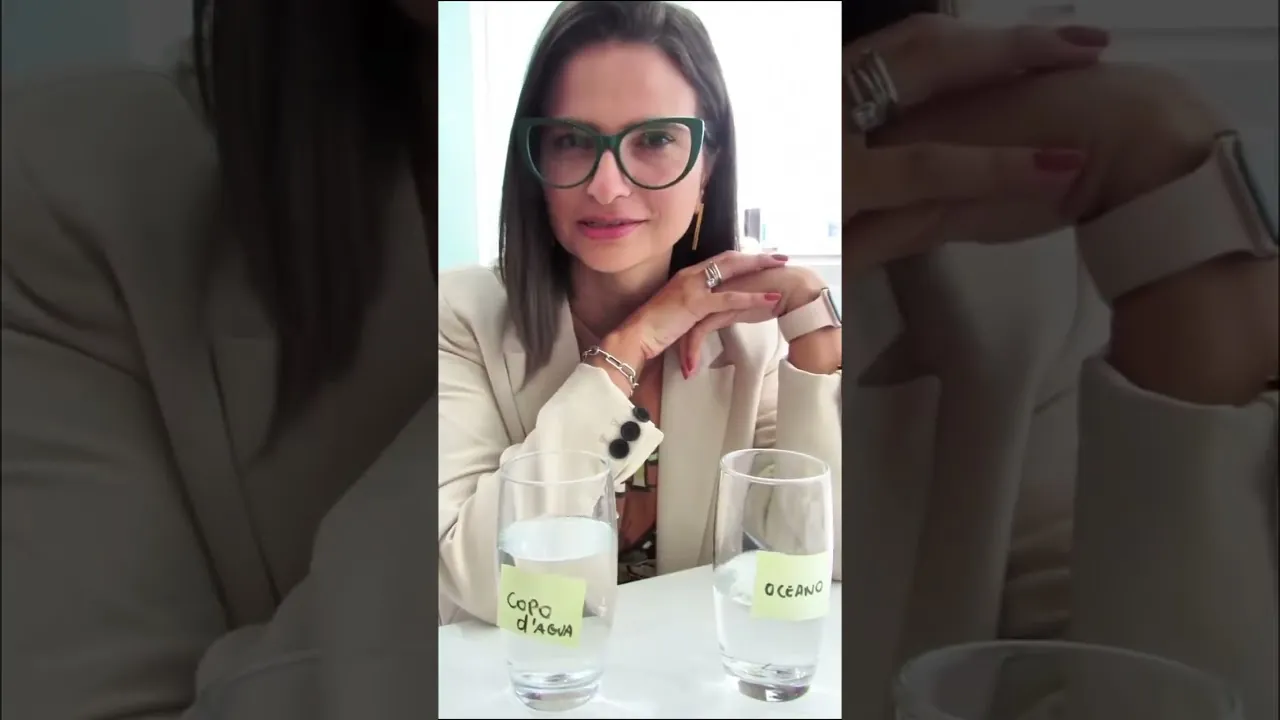
Labeling people as "normal" or "different" is like trying to fit an ocean into a teacup: the human brain doesn't fit into boxes. It's crucial to understand that labels and diagnoses don't define anyone. While important for self-knowledge and for people to understand their own differences, they don't serve as ready-made solutions. They are tools for understanding, not limitation.
Simple Adaptations, Giant Impact
True inclusion happens when we swap labels for practical actions. Adapting environments and approaches is a fundamental step. Simple adaptations, such as offering a quieter space or using clear illustrations, benefit everyone, not just a specific group. The key is individualization and open communication.
The Right Question Transforms: Focus on Individual Needs
Instead of assuming, ask: "What helps you concentrate?" or "How do you prefer to receive information?" These questions open doors to adjustments that can make all the difference. And if the person doesn't know how to answer immediately, "just try and don't be afraid to make mistakes." Continuous effort and dialogue are the path to building a more welcoming and productive environment for everyone. It's a process of learning and empathy.
How about we stop dividing people into "normal" and "different" and start celebrating the diversity that exists within each of us? By valuing the uniqueness of every brain, we build bridges towards a genuinely inclusive society where no one is left behind. Turma do Jiló reminds us that richness lies in the multiple ways of being and learning.
PUBLICIDADE (GAM) — 1250x250